7 Best Driveway Repair Products for Buyers
A cracked driveway can look like a small problem until water slips beneath the surface and loosens the base. The right driveway repair product depends on the damage, the material, and the weather during application. A narrow crack may need flexible filler; a shallow asphalt depression may call for patching compound. Concrete spalls need a repair mix designed for concrete, not asphalt. Simple distinctions matter.
Pavement consultant James A. Scherocman is known for his work on asphalt construction. A practical paraphrase of his preparation-focused approach is: “Clean, stable surfaces give repairs a better chance to last.” This is a paraphrase, not a verified direct quotation. Preparation is easy to underestimate. Loose grit, standing water, and failing edges can weaken even a promising product. Read each label, check temperature limits, and allow the stated curing time before driving over the repair.
This guide compares seven driveway repair products by use, application, and practical trade-offs. It considers crack fillers, patch compounds, resurfacing materials, and sealers, while noting where each may fall short. No product fixes every driveway. Some damage points to a deeper base problem, and a surface treatment may only hide it for a while. That distinction deserves a second look. The goal is not a perfect-looking driveway overnight, but a suitable repair chosen with clear expectations.
Understanding Driveway Damage and Identifying Repair Needs
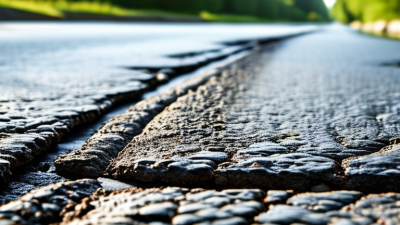
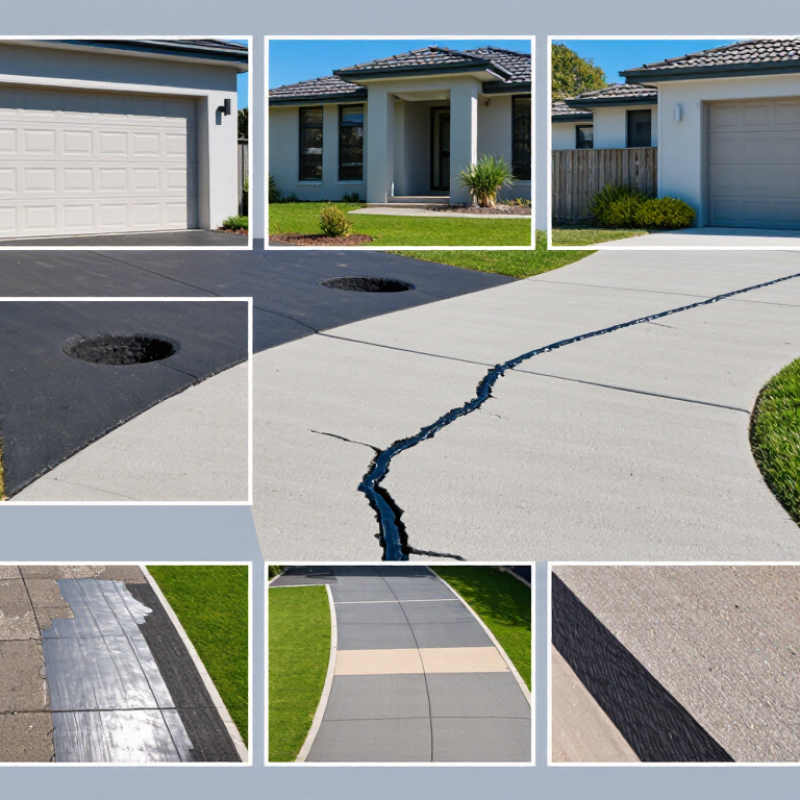
A driveway’s surface tells a story. Fine, branching cracks often point to aging or sun exposure, while wide cracks may signal movement beneath the pavement. Potholes usually mean water has entered a weak spot, then traffic has broken the surface apart. Look closely after rain. Puddles that remain near the garage or along the edges can reveal poor drainage, a cause that patching alone will not fix.
The American Society of Civil Engineers’ 2021 Infrastructure Report Card found 43% of U.S. roads were in poor or mediocre condition. That figure describes public roads, not private driveways, but it highlights how widespread surface deterioration can be. For buyers comparing repair products, the damage pattern matters more than the label. A narrow, stable crack may need a flexible crack filler; a deep, crumbling hole usually needs a patch material suited to its depth and the pavement type.
Check whether the driveway is asphalt or concrete before choosing a repair. Note crack width, loose edges, and any places where the surface sinks or lifts. A straightedge can help reveal dips that are hard to judge by eye. Not every hairline crack needs immediate treatment. Still, I would be cautious about sealing over damp, dirty damage: the repair may look neat at first, then loosen as water works underneath. When movement keeps returning, investigate the base or drainage rather than buying another surface patch.
Driveway Crack Widths: Choosing a Repair Approach
These bars show the upper edge of common crack-width bands, not guaranteed product limits. Hairline and narrow cracks are often sealed; wider cracks may need a patching compound or more extensive repair. Follow the product instructions and assess the crack’s depth, movement, and surrounding damage before choosing a repair.
Seven Driveway Repair Product Types and Their Best Uses
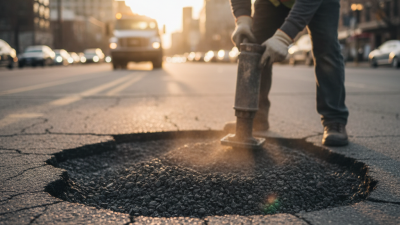
Driveway damage needs the right repair material, not simply the strongest-looking one. Asphalt crack filler suits narrow, dry cracks before water widens them. Cold-patch asphalt fills small potholes and works for quick repairs in cooler weather. Hot-mix asphalt is better for larger or deeper areas, though proper compaction matters; a contractor may be the practical choice. Concrete patching compound repairs isolated chips and shallow spalls. Match it to the repair depth.
Concrete resurfacer covers broad, worn surfaces when the slab remains stable. It can improve appearance, but it will not correct sinking or major movement. Flexible joint sealant belongs in concrete expansion joints, where seasonal movement can reopen rigid repairs. Driveway sealer helps protect sound asphalt from moisture and sunlight. It is maintenance, not a cure for potholes or structural cracks. That distinction is easy to miss.
Tips: Clean out loose debris and let the surface dry before applying most products. Check the package for temperature limits, depth restrictions, and curing time. Keep cars off the repair until it is ready. Small patches can still fail; sometimes the base beneath them is the real problem.
Comparing Coverage, Curing Time, Durability, and Cost
7 Best Driveway Repair Products for Buyers
Coverage, curing time, durability, and cost tell a more useful story than a low shelf price. For seven common options—crack filler, patch mix, cold asphalt, resurfacer, sealcoat, joint sealant, and repair mortar—compare the label’s stated coverage with your measured repair area. Deep, ragged cracks consume more material than neat estimates suggest. I would allow extra. A little guesswork remains.
Curing claims need careful reading. Some fillers accept foot traffic within hours; deeper patches or cool, damp conditions can require much longer. Keep vehicles off the repair until the manufacturer’s instructions permit it. FHWA’s pavement-preservation guidance stresses matching treatments to pavement condition; surface products cannot fix a failing base. That distinction can save money—and frustration.
For durability, ASTM D6690 defines four types of hot-applied joint and crack sealants, reflecting different performance needs rather than one universal best choice. Check whether a product suits your climate and crack movement. FHWA pavement-preservation guidance also supports preventive treatment before deterioration becomes extensive. Compare cost per usable square foot, not package price alone. A larger pail may cover more, but only if you can apply it before the material becomes difficult to handle. I’d recheck the estimate. Repair conditions vary, and product coverage figures are not guarantees.
Preparing, Applying, and Maintaining Driveway Repairs
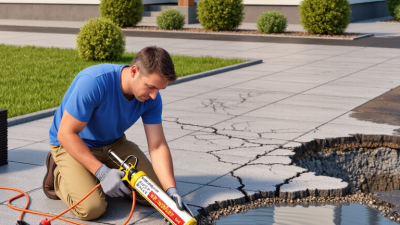
A durable driveway repair starts before the product leaves the bucket. Sweep away grit, pull weeds, and remove loose asphalt or concrete until the edges feel firm. Check the forecast: many fillers and sealers need dry surfaces and mild temperatures to cure properly. For cracks, clear dust with a stiff brush, then use a filler suited to the surface and crack width. Dry it fully. A patch over damp, crumbling material may look smooth at first, but it can loosen quickly.
Apply repair material in thin, compacted layers where directions call for it. Press asphalt patch firmly into potholes, especially along the edges, and avoid driving over it before the stated curing time. Concrete repairs need careful edge preparation and the correct mix; a rigid patch may not bond well to a moving crack. NAPA’s 2022 Asphalt Pavement Industry Survey reported that 94.6 million tons of reclaimed asphalt pavement were reused in new mixtures. That industry figure supports material reuse, but reclaimed material is not automatically right for every driveway repair.
Tips: Keep a stiff brush, gloves, and a hand tamper nearby. Match the repair product to asphalt or concrete, and follow its temperature and curing instructions. Recheck repaired spots after heavy rain; I’d rather catch a small edge lift early than redo a whole patch.