7 Blacktop Repair Tips for Long Lasting Results

A durable driveway does not begin with a thick patch. It begins with an honest inspection. Small cracks, loose edges, standing water, and faded sealant reveal how the pavement is aging. This introduction to “7 Blacktop Repair Tips for Long Lasting Results” focuses on practical decisions that contractors and property owners can apply before damage spreads. The goal is simple: prepare correctly, repair suitable surfaces, and protect the finished work from avoidable stress.

Larry Galehouse, P.E., a respected pavement-preservation specialist, stated, “The right treatment, at the right time, on the right pavement.” That principle guides effective blacktop repair. A crack filled during dry, moderate weather may remain sealed for years. The same product applied over dust or damp pavement can fail within weeks. Details matter. Clean edges matter. Drainage matters even more.

Still, no repair lasts forever. Some surfaces are too unstable for a quick fix, and replacement may be the more responsible choice. That judgment is not always easy. Many owners delay action until weeds grow through the cracks or water reaches the base. I have seen attractive patches fail because the underlying problem was ignored. These seven tips examine surface preparation, crack treatment, patch depth, compaction, sealcoating, weather conditions, and routine inspection. Each step supports reliability, but none can rescue neglected pavement indefinitely. Good maintenance is not glamorous. It is consistent, measured, and slightly inconvenient. That is why it works.

7 Blacktop Repair Tips for Long Lasting Results

Assess Blacktop Damage and Choose the Right Repair Method

7 Blacktop Repair Tips for Long Lasting Results

Assess the damage before choosing a repair. Walk the surface after rain, and mark areas that remain dark or soft. Moisture often reveals drainage problems that dry weather hides. Measure cracks and inspect their edges. Narrow, stable cracks may need flexible crack filler, while wide cracks require cleaning and a deeper patch. Small potholes can receive cold patch material, but larger ones need squared edges, a sound base, and careful compaction. Do not cover widespread alligator cracking without checking the foundation. The failure may return quickly.

Clean dust, weeds, and loose asphalt from every repair area. A stiff brush and compressed air help, although neglected edges can still weaken adhesion. Use a moisture-resistant filler for active cracks, and choose patch material suited to the repair depth. Thin surface damage may respond to an asphalt emulsion coat. Deep depressions often need several compacted lifts. Keep each layer level. Uneven filling traps water.

Timing matters. Apply materials during dry weather, within the product’s recommended temperature range. Direct sunlight can soften fresh repairs, while cold conditions slow curing. I have seen rushed patches look finished, then sink after one storm. That mistake is easy to repeat. Check drainage, compact firmly, seal suitable cracks, and keep traffic away until the surface has set. Inspect repaired areas each season, especially near driveways and downspouts. Small movement deserves attention. Repairing early usually requires less material and reveals fewer hidden problems.

7 Blacktop Repair Tips for Long-Lasting Results: Assess Blacktop Damage and Choose the Right Repair Method

Tip Damage Assessment Typical Indicators Recommended Repair Method Critical Preparation Best Conditions Long-Term Result
1. Inspect Before Repairing Identify whether the problem is surface-level, structural, or drainage-related. Loose aggregate, depressions, spreading cracks, soft areas, or standing water. Match the repair to the cause; do not cover structural failure with a thin surface coating. Mark damaged areas and check the pavement edge, base, slope, and nearby drainage. Dry weather with good visibility and a clean, accessible surface. Selecting the correct method prevents premature patch failure and repeated repairs.
2. Seal Narrow Cracks Early Best for isolated cracks that have not caused major settlement or broken pavement edges. Tight linear cracks, usually less than about 6 mm wide, with stable surrounding asphalt. Clean and fill with a flexible crack sealant suitable for asphalt pavement. Remove weeds, dust, moisture, and loose material; widen only when needed to create a sound bond. A dry surface and temperatures within the sealant manufacturer’s application range. Limits water entry, which helps reduce freeze-thaw damage and base deterioration.
3. Treat Alligator Cracking as Structural Damage Determine whether interconnected cracks cover a small isolated area or much of the pavement. Interconnected crack patterns resembling reptile scales, often with pumping or depressions. Remove failed material, repair the base if necessary, and install a full-depth patch. Saw-cut or square the perimeter, excavate unstable layers, and compact each replacement layer. Stable, dry conditions that allow proper compaction and bonding. Addresses the weakened pavement structure instead of hiding symptoms with crack filler.
4. Patch Potholes Completely Check the pothole depth, edge stability, trapped water, and condition of the underlying base. A bowl-shaped cavity, broken edges, loose aggregate, and recurring water collection. Use a full-depth patch for permanent repair; temporary cold patch may be used only as an interim measure. Remove all loose material, dry the cavity where possible, repair the base, and compact the patch in lifts. Dry conditions are preferred, especially for hot-mix or emulsion-based materials. A sound base and properly compacted patch reduce raveling, settlement, and edge breakdown.
5. Correct Low Spots and Drainage Problems Observe the area after rain and identify whether ponding results from settlement, poor slope, or blocked drainage. Standing water, moss growth, softened edges, repeated cracking, or rutting. Repair the underlying grade or base; use localized leveling only when the surrounding structure is sound. Clear drains and outlets, remove saturated material, and ensure positive runoff away from the pavement. Allow the area to dry before placing repair materials. Keeping water out of the pavement system is one of the most effective ways to extend service life.
6. Repair Ruts and Depressions at the Right Depth Determine whether rutting is limited to the surface or caused by deformation in the asphalt or base. Wheel-path grooves, raised edges, shoving, or a depression that returns after patching. Mill or remove unstable material, repair the base, and replace it with properly compacted asphalt. Establish clean boundaries and verify that the supporting layer is firm and well compacted. Avoid placement during rain or when the pavement and aggregate cannot be compacted effectively. Correcting the source of deformation provides better load distribution and smoother travel.
7. Protect Sound Asphalt with Timely Surface Maintenance Use surface treatment only when the pavement is structurally sound and damage is mainly oxidation or minor surface wear. Faded gray color, light oxidation, minor surface porosity, and no widespread structural cracking. Apply a compatible asphalt surface sealer after repairing cracks and isolated defects. Clean oil, dirt, vegetation, and loose particles; allow repairs to cure before coating. Dry weather with moderate temperatures and no rain expected during curing. Helps reduce oxidation and water penetration, but cannot restore failed pavement structure.

Assessment principle: Repair the underlying cause—especially water intrusion, weak base material, and inadequate compaction—before applying any surface treatment.

Clean and Prepare the Surface Before Making Repairs

Before repairing blacktop, inspect the damaged area in daylight.

Look for loose gravel, spreading cracks, oil stains, and soft edges. Mark hidden damage with chalk. Small defects often reveal larger problems beneath the surface.

Sweep the pavement thoroughly with a stiff-bristled broom. Remove dust, leaves, and broken asphalt from every crack. Use a scraper to lift weeds and compacted debris.

Oil requires a suitable pavement cleaner and careful rinsing. Do not guess. Residue can prevent repair material from bonding properly. Let the surface dry completely. Even slight moisture may weaken the patch.

I usually test dryness with a clean paper towel. If it picks up dark moisture, wait longer. In cool weather, drying may take several hours.

I once rushed this step and watched a neat repair separate after heavy rain. That mistake changed my process. I now inspect the edges again before applying any filler.

They should feel firm, not crumbly. Widen narrow cracks slightly when necessary, then remove the new debris. Keep the repair zone clean while working.

Foot traffic can carry grit back onto the prepared surface. A well-prepared base does not guarantee perfection, but poor preparation almost guarantees failure.

Repair Cracks Early to Prevent Water and Base Damage

7 Blacktop Repair Tips for Long Lasting Results

Repair cracks early to prevent water and base damage. A narrow crack can look harmless, but rain can reach the aggregate base beneath it. In freeze-thaw areas, trapped water expands and weakens the pavement edge. The Federal Highway Administration reports that timely crack sealing may add three to five years of service life under suitable conditions. Results vary. That limitation matters.

Inspect the surface after heavy rain, winter, and nearby construction. Mark cracks wider than 1/4 inch, branching cracks, and areas with standing water. Clean each crack thoroughly before sealing. Remove vegetation, dust, and loose asphalt. Use a flexible sealant suited to the pavement temperature. Do not fill active potholes with cold debris. Remove failed material, dry the cavity, and compact the repair in thin lifts. Small details decide durability.

Check drainage beside the driveway or parking area. A clogged edge drain can undo good crack work quickly. Seal joints before water reaches the base. Patch potholes before they expand. Avoid sealing damp cracks, even when the weather looks bright. The Asphalt Institute’s maintenance guidance emphasizes surface preparation, proper materials, and drainage control. A 2022 National Center for Asphalt Technology field report also linked moisture management with improved pavement performance, although site conditions differed. I have seen rushed repairs fail within one season. Sometimes, waiting for a wider crack makes the repair easier to notice, but much more expensive.

Patch Potholes with Proper Materials and Compaction

7 Blacktop Repair Tips for Long Lasting Results

Patch Potholes with Proper Materials and Compaction

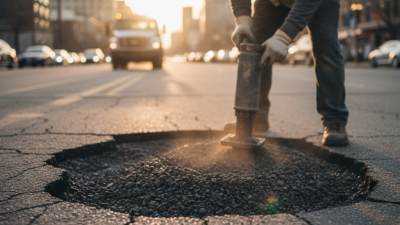
A durable pothole repair starts below the visible damage. Mark the weak area, then cut it into a clean rectangle with firm edges. Remove loose asphalt, mud, and standing water completely. A few damp particles can weaken the bond.

Choose hot-mix asphalt for deeper repairs when weather and access permit. Cold-mix material can work for temporary repairs, but it needs careful placement. Fill deep holes in lifts no thicker than 50 millimeters. Compact every lift before adding another. Use a vibrating plate compactor, not only a hand tamper. Make several slow passes from the edges toward the center. The finished patch should sit slightly above the surrounding pavement.

FHWA’s Long-Term Pavement Performance program monitors more than 2,500 pavement sections. Its findings repeatedly connect moisture, weak support, and poor drainage with faster pavement deterioration. Many agency specifications target roughly 92–96% density for compacted asphalt.

Verify the repair with a straightedge, and seal open joints around the patch. Keep traffic away until the material can resist displacement. Recheck it after the first heavy rain. Assumptions fail there. One overlooked drainage problem can undo excellent compaction, and even experienced crews sometimes miss it.

Seal and Maintain the Blacktop for Longer-Lasting Results

A durable blacktop begins with honest preparation. I have seen fresh sealer fail because dust remained inside small cracks. Sweep thoroughly, remove weeds, and wash away oil stains before repairs. Let the surface dry completely. Moisture trapped below the coating can cause bubbles and peeling.

Repair cracks wider than a hairline with a flexible asphalt filler. Press it firmly into the gap, then level the surface with a trowel. Patch shallow depressions with a suitable asphalt repair mix. Do not cover active potholes with sealer alone. They need compacted material first. I once rushed this step, and traffic reopened the same hole within weeks. That mistake was avoidable.

Apply sealer during a dry, mild-weather window. A thin, even coat usually cures better than one heavy layer. Keep vehicles off the blacktop until the coating has fully set. Check the driveway every spring for fading, loose edges, and new cracks. Seal vulnerable areas early, especially near downspouts where water repeatedly lands. Clean spills quickly, since petroleum can soften asphalt and weaken its surface. Avoid sharp turns and heavy loads during the first few days. Small habits matter. Reapply protection only when the surface shows wear, not simply because a calendar says so. Conditions vary, and that judgment deserves more attention than a fixed schedule.

7 Blacktop Repair Tips for Long-Lasting Results

Seal and maintain the blacktop regularly to reduce water penetration, slow surface deterioration, and extend pavement performance.

Typical maintenance intervals are planning guidelines. Inspect twice a year, seal cracks promptly, refresh sealant about every 2–3 years when needed, and address drainage, potholes, edges, and markings before damage spreads. Actual timing depends on traffic, climate, drainage, and pavement condition.

Find the Right Repair Product for Your Project

Need to find the most appropriate product for the needs of your project? We can help because we have over 70 years of experience servicing the industry with every kind of project, from Do-it-yourself projects to large skyscrapers. Package Pavement has the experience, the knowledge and the products to help every project succeed.

Quikrete Repair Products
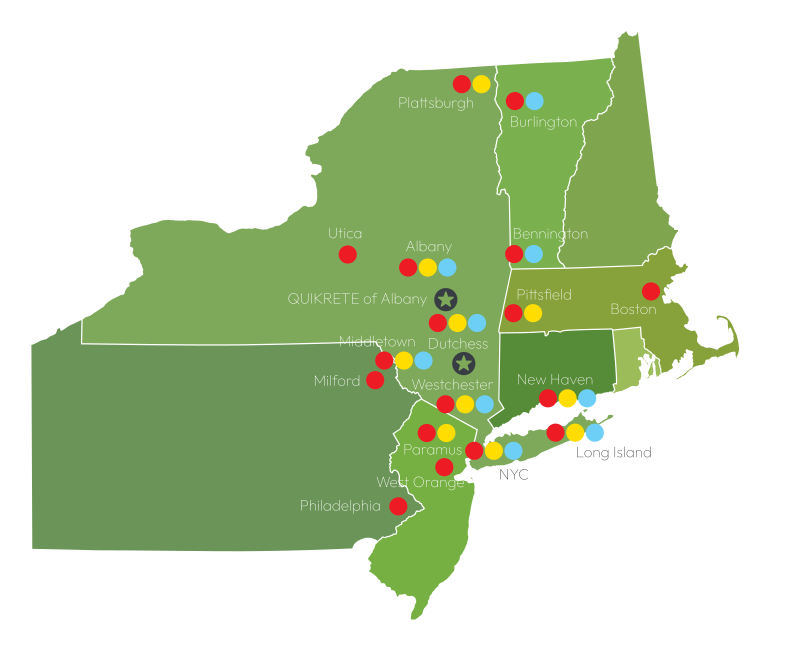
Legend
Package Pavement has two convenient locations in Stormville, NY (Dutchess County) and Ravena, NY (Greene County) to serve the Northeastern Region with bagged concrete, blacktop, mortar, and repair products. This map gives a general idea of where we service and the product lines we offer.
Package Pavement Products
Quikrete Products
Spec Mix Products
map

Our Brands Websites