


How to Choose the Best Asphalt Patch for Your Project?

When embarking on an asphalt repair project, selecting the right asphalt patch is crucial. Industry expert John Carter states, “Choosing the right patch material can make or break your project.” His insights emphasize the significance of informed decisions in surface repairs.

Asphalt patches vary greatly in composition and application methods. Some deliver quick fixes, while others provide long-lasting solutions. It’s important to consider factors like climate, traffic levels, and the extent of damage. A patch that works well in one situation may not be suitable for another. Many often overlook the specific needs of their repair projects.

Beyond surface appearance, using the appropriate asphalt patch can prevent further deterioration. Making a hasty choice can lead to repeated repairs and unnecessary expenses. Reflect on your project requirements carefully. Quality of materials, expert recommendations, and real-world testing can guide you toward a successful outcome. The right asphalt patch can enhance durability and save time in the long run.

How to Choose the Best Asphalt Patch for Your Project?

Understanding Different Types of Asphalt Patches Available on the Market

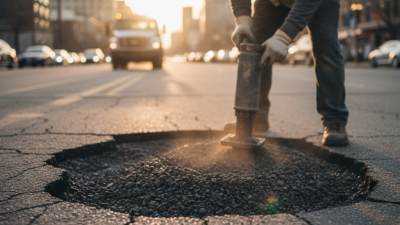
When selecting an asphalt patch, understanding the various types available is crucial. Cold patch asphalt is a popular choice for quick repairs. It is easy to use and can be applied in varying weather conditions. This type is ideal for minor cracks and potholes. However, it may not last as long as other options.

Hot mix asphalt offers a more durable solution. It requires heating before application, making it more suitable for larger repairs. The quality of the mixture plays a significant role in its longevity. Yet, it demands more skill to apply correctly. For those unfamiliar with hot mix application, mistakes can lead to uneven surfaces.

Finally, you may encounter self-leveling asphalt. This patch is designed for smooth surfaces and is often used in repairs that require a flat finish. It can be tricky; if not applied correctly, it can create a bumpy surface. Each type of asphalt patch has its strengths and weaknesses. Choosing the best one means considering your specific project requirements and your skill level.

Assessing Project Requirements: Size, Severity, and Environmental Factors

When assessing your project requirements for choosing the best asphalt patch, size, severity, and environmental factors play crucial roles. The size of the area needing repair directly influences the material type you should consider. According to industry studies, larger areas often benefit from hot mix asphalt, which provides long-lasting results. Conversely, smaller patches may require cold mix asphalt. The maintenance cost varies significantly with the type used, so quantifying the repair area is essential.

The severity of damage is another critical factor. Minor surface cracks can be effectively repaired with sealers or crack fillers. A report from the National Asphalt Pavement Association suggests that neglecting these small issues can lead to more severe and costly repairs later. Understanding the extent of the damage helps in selecting a suitable patching compound.

Environmental factors cannot be ignored. Temperature fluctuations impact curing times and adhesion. Research indicates that optimal conditions are vital for effective pavement repairs. A project conducted in varied climates showed that cracks repaired during ideal conditions lasted 20% longer than those done in extreme weather. Thus, consider not just the location, but the timing as well for your project.

Choosing the Best Asphalt Patch for Your Project

This chart displays various asphalt patch types suited for different project requirements, including size, severity, and environmental factors.

Key Features to Look for in Quality Asphalt Patch Products

When choosing an asphalt patch, attention to detail is crucial. Look for flexibility in products. A quality asphalt patch should adapt to changing temperatures. This ensures longevity and performance. Many products may crack under stress, reducing their effectiveness. You want a patch that stands the test of time.

The aggregate size is another important factor. Larger aggregates can offer stronger bonds but may be harder to work with. Smaller aggregates provide easier application but may not last as long. Think about your specific project needs. Evaluate the working conditions before making a choice.

Lastly, consider the curing time. Some patches require longer to set, while others are ready in hours. Quick-setting options can be convenient. However, ensure they provide a durable finish. Performing your due diligence on these features can help you select the best product for your asphalt repair project.

Step-by-Step Application Process for Asphalt Patching

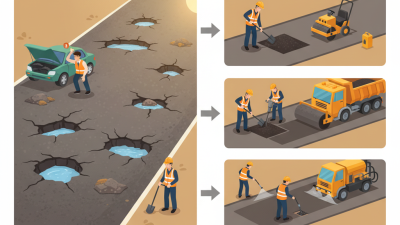
Patching asphalt is crucial for maintaining surfaces. The application process can seem daunting but is manageable with a clear approach. Begin by identifying the area that needs repair. Cleaning the site thoroughly is vital to ensure proper adhesion. A study by the National Center for Pavement Preservation found that uncleaned areas can lead to a 30% reduction in patch durability.

Next, prepare the patching material according to the manufacturer's specifications. Different types of asphalt patches serve various needs—hot mix for larger repairs and cold patches for quick fixes. Statistics from the Federal Highway Administration indicate that using the right material can extend the lifespan of a repaired area by up to 50%.

During application, ensure the patch material is compacted effectively. A poorly compacted patch may settle unevenly, leading to future issues. Contrarily, using excessive force can create crack paths. Observing the recommended curing time is essential to allow the patch to bond properly. Common mistakes include not allowing enough time for curing, which can compromise the integrity of the repair. Your attention to detail can make all the difference in achieving a long-lasting asphalt patch.

Maintenance Tips for Prolonging the Life of Asphalt Repairs

Regular maintenance is crucial for extending the life of asphalt repairs. A study from the Federal Highway Administration (FHWA) indicates that properly maintained pavements can last up to 25% longer. This provides significant cost savings over time. Regular inspections allow for the early detection of damage. Look for cracks, potholes, and surface wear. Fixing these issues promptly is vital.

Another key aspect is the proper sealing of repairs. Sealcoating every two to three years can protect against harsh weather conditions. According to the Asphalt Institute, sealants can increase the lifespan of asphalt by 30%. Use high-quality sealants that resist UV rays and moisture. The application process should be done during optimal weather conditions for best results.

Water drainage also plays a significant role in maintenance. Poor drainage can lead to quicker deterioration. Ensure that water flows away from the asphalt surface. Inspecting drainage systems can prevent standing water, which is a breeding ground for cracks. Regular maintenance, including expansive cleanup and timely repairs, contributes to overall durability.

How to Choose the Best Asphalt Patch for Your Project? - Maintenance Tips for Prolonging the Life of Asphalt Repairs

Patch Type Ideal Use Temperature Range Drying Time Longevity
Cold Patch Potholes and small cracks Above 50°F 24-48 hours 1-2 years
Hot Mix Asphalt Large repairs and new pavement Above 250°F 30 minutes to 2 hours 5-10 years
Rubberized Patch Flexible repairs for dynamic surfaces Above 60°F 2-4 hours 3-7 years
Tack Coat Before placing new asphalt Above 50°F 10-20 minutes Variable, depends on top layer
Find the Right Repair Product for Your Project

Need to find the most appropriate product for the needs of your project? We can help because we have over 70 years of experience servicing the industry with every kind of project, from Do-it-yourself projects to large skyscrapers. Package Pavement has the experience, the knowledge and the products to help every project succeed.
Quikrete Repair Products
Legend
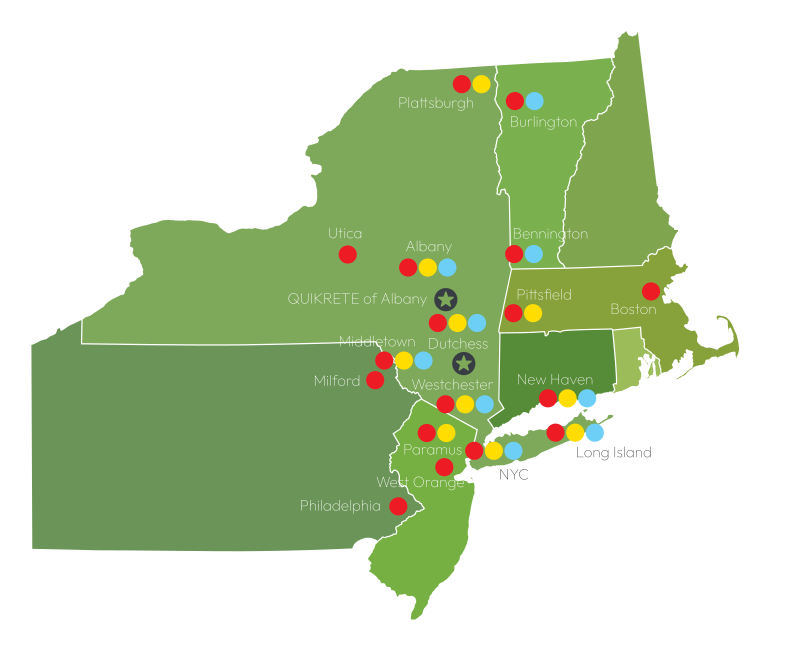
Package Pavement has two convenient locations in Stormville, NY (Dutchess County) and Ravena, NY (Greene County) to serve the Northeastern Region with bagged concrete, blacktop, mortar, and repair products. This map gives a general idea of where we service and the product lines we offer.
Package Pavement Products
Quikrete Products
Spec Mix Products
map

Our Brands Websites