What Is the Best Type of Driveway Repair?

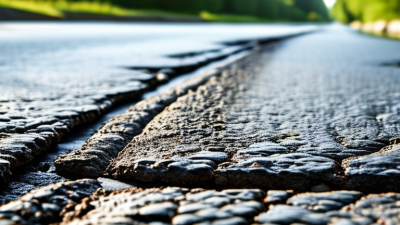
The best driveway repair depends on what is failing beneath the visible damage. A few narrow cracks may need sealing. A shallow pothole may call for a properly prepared patch. But widespread cracking, sinking, or water pooling can point to a weakened base, where surface work alone may not last. The distinction matters. A neat patch can still fail if water keeps entering beneath it.

The American Society of Civil Engineers’ 2021 Report Card for America’s Infrastructure found that 43% of U.S. roads were in good condition, while 21% were in poor condition. Those figures describe public roads, not private driveways, but they underline why pavement condition deserves careful assessment. Randy West, a pavement researcher associated with the National Center for Asphalt Technology, has studied pavement preservation. A practical paraphrase of that work is: diagnose the cause of the damage before choosing the repair. For a homeowner, that means checking drainage, crack width, settlement, and the condition of the surrounding surface—not just the hole or split.

Small repairs can be sensible. They are not always enough. I would be cautious about any recommendation made from a photograph alone; hidden base failure is easy to miss. This guide compares crack sealing, patching, resurfacing, and replacement, and explains when each may be appropriate. The goal is a repair that fits the driveway’s material, damage, budget, and expected lifespan.

What Is the Best Type of Driveway Repair?

How Driveway Material and Damage Type Shape Repair Needs

What Is the Best Type of Driveway Repair?

How Driveway Material and Damage Type Shape Repair Needs

The right repair depends on what the driveway is made of and why it failed. Asphalt often develops surface cracks from sun, water, and temperature changes. Small, dry cracks may take a flexible asphalt filler. Wider cracks or shallow pits may need patching, but recurring damage can point to a weak base or poor drainage. A smooth patch is not always a lasting one.

Concrete needs a different approach. Hairline cracks can sometimes be sealed to limit water entry, while broken or raised sections may require a deeper repair or replacement. If one slab edge sits higher than the next, movement beneath the concrete may be the real issue. Gravel driveways are simpler to reshape, yet low spots and washouts often return unless water has a clear path away. It is easy to blame the surface alone.

Tips: Check the damage after rain. Note standing water, loose edges, and whether cracks are growing. For broad sinking, repeated patches, or cracks that cross several slabs, ask a qualified contractor to assess the base and drainage before choosing a repair.

Timing matters, too. Repairs usually bond better when the surface is clean and dry, and temperatures suit the repair material. A quick fix can help, but matching the material and addressing the cause often matters more.

Common Driveway Repair Methods and Their Uses

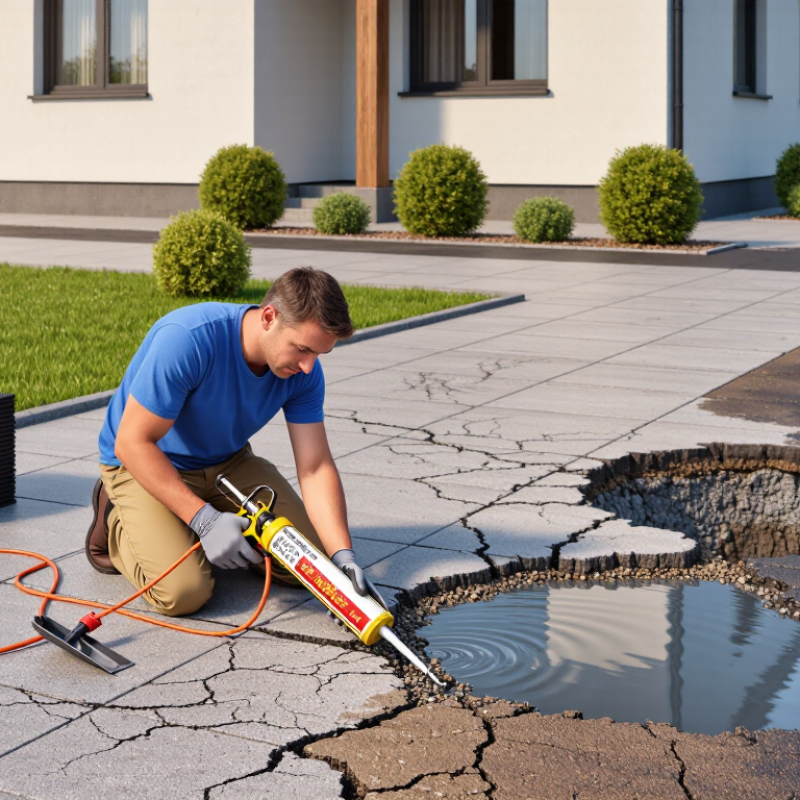
Small cracks do not always require a new driveway. The best repair depends on the surface, damage, and underlying cause. A hairline crack in asphalt may need flexible crack sealant to keep water out. For concrete, a suitable repair compound can fill narrow cracks, though color differences may remain. That part is easy to underestimate.

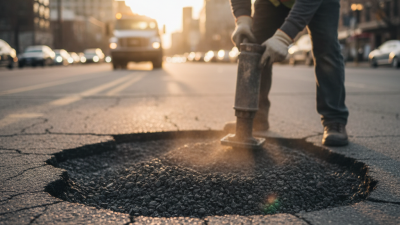
Potholes and broken edges often need patching. A lasting patch requires removing loose material and preparing a firm base before adding new asphalt or concrete. Simply filling a hole can fail when water or weak soil sits underneath. Watch how water moves after rain. Poor drainage may be the real problem.

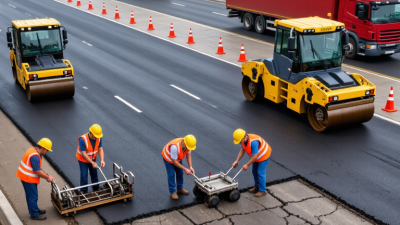
When damage covers much of the surface, resurfacing may be more practical than repeated spot repairs. It adds a new layer over a stable base, but it cannot fix deep structural failure. Severe settlement, widespread cracking, or crumbling may call for full replacement. Get the base checked. A contractor can assess the damage, explain the likely cause, and compare repair options and costs. I would not choose by appearance alone; a neat surface can still hide trouble below.

How to Match a Repair Method to Damage Severity

What Is the Best Type of Driveway Repair?
How to Match a Repair Method to Damage Severity

A lasting repair addresses the cause, not just the visible mark. For a narrow, shallow crack with firm edges, cleaning and filling can help keep water out. Asphalt and concrete may need different sealants, so use one suited to the surface. Small cracks matter. Watch after rain. Look for pooling, soft ground, or a downspout draining onto the driveway. If a crack keeps widening or its edges sit at different heights, filling alone is unlikely to last.

For an isolated pothole or broken corner, remove loose material and patch back to sound edges. Compact the repair well. A patch over a damp, crumbling base often fails early. If sections sink, heave, or crack in a repeating pattern, check the base and drainage before choosing resurfacing or replacement. Resurfacing can renew a broadly worn surface, but it will not fix a failing foundation. That distinction is easy to miss. Honestly, a visual check is imperfect; a qualified contractor may need to probe soft spots and assess the slope after rain.

What Is the Best Type of Driveway Repair? - How to Match a Repair Method to Damage Severity

Damage severity Common signs Suitable repair method Best suited to Important considerations
Minor Narrow, isolated cracks with no noticeable sinking or loose edges. Clean and fill cracks with a compatible crack filler or sealant. Small cracks in otherwise sound asphalt or concrete. Filling helps limit water entry but does not correct movement or a failing base. Use a repair product suited to the driveway material and crack size.
Moderate, localized A pothole, broken corner, or small area of crumbling or spalling. Remove unsound material, prepare the area, and patch it with a compatible asphalt or concrete repair material. Damage limited to one or a few areas, with a stable surrounding surface and base. A durable patch depends on sound edges, proper preparation, and addressing drainage or water entry that contributed to the damage.
Moderate, widespread surface wear Broad surface aging, roughness, or shallow deterioration, while the driveway remains generally level and stable. Resurface asphalt with a new overlay, or assess whether a concrete overlay is appropriate for the existing slab. Surfaces with widespread wear but no major structural failure. Resurfacing cannot reliably fix a weak base, significant settlement, or extensive active cracking. Existing defects generally need repair first.
Severe, isolated structural damage A sunken or badly cracked section, repeated patch failure, or damage associated with a soft or washed-out base. Remove and replace the affected section, including rebuilding and compacting the base where needed. Localized areas where the damage extends through the surface or into the supporting layers. Replacing only the visible surface may lead to recurring failure if the underlying base, drainage, or soil problem is not corrected.
Severe, widespread failure Extensive interconnected cracking, widespread settlement, major breakup, or large areas that remain unstable after repairs. Full-depth removal and driveway reconstruction, with the base and drainage evaluated and rebuilt as necessary. Driveways where damage is widespread or the supporting structure has broadly deteriorated. A site assessment is important to identify the cause and determine suitable thickness, base preparation, slope, and drainage.

Repair choice depends on driveway material, the extent and depth of damage, base stability, and drainage. Have extensive cracking, settlement, or recurring failures assessed before choosing a surface-only repair.

Factors for Comparing Cost, Durability, and Disruption

The best driveway repair depends on how widespread the damage is and what lies beneath the surface. For one or two potholes, a localized patch usually costs less and keeps most of the driveway usable. Quick, but limited. If cracks are narrow and the surrounding pavement feels firm, sealing them can slow water entry at relatively low cost. These fixes may need repeating when the base is failing or water continues to collect.

Durability depends on more than the repair material. A patch over loose gravel or a soft sub-base may sink again, even if the surface looks smooth at first. For broad cracking, crumbling edges, or uneven areas, resurfacing can provide a more consistent finish, though it costs more than spot repairs. Ask how the damaged base and drainage will be handled. That detail matters. A careful inspection after rain can reveal puddles that a dry-day visit misses.

Disruption varies with the repair’s size, weather, and curing time. Crack sealing may require only brief access restrictions, while patching or resurfacing can keep vehicles off the driveway longer. Confirm the expected reopening time before work begins, and plan for deliveries or parked cars. A repair estimate should separate surface work from base repairs where possible. I would not choose solely by the lowest quote; still, estimates can be hard to compare when they describe different scopes.

What Is the Best Type of Driveway Repair?

Comparing typical U.S. asphalt driveway repair costs, durability, and disruption

How to read the chart: Cost ranges are broad estimates for a typical 600-square-foot driveway; actual quotes vary with location, access, materials, and the extent of damage.

  • Crack sealing: About $100–$500; often lasts 1–3 years. Usually the least disruptive option, but it addresses surface cracks rather than deeper structural problems.
  • Localized patching: About $150–$1,000; often lasts 2–5 years. Repairs isolated potholes or failed areas, with disruption generally limited to the work area.
  • Resurfacing: About $1,800–$4,200; often lasts 8–15 years when the base is sound. It requires more preparation and curing time than spot repairs.
  • Full replacement: About $4,200–$9,000; often lasts 15–30 years with proper installation and maintenance. It causes the greatest disruption and is typically considered when damage is widespread or the base has failed.

Takeaway: The best repair depends on the cause and extent of damage. Sealing or patching can be cost-effective for isolated defects; resurfacing or replacement may be more suitable when deterioration is widespread. Lifespans are approximate and depend on climate, drainage, traffic, and maintenance.

Steps for Preparing and Completing a Driveway Repair

Good driveway repair starts with a careful assessment, not a bucket of patching material. Walk the surface and note whether cracks are narrow, branching, or paired with sinking. Check where rainwater collects; standing water can point to a drainage problem, not just a damaged surface. Small, stable cracks may need a different repair than deep potholes or spreading damage. Be honest about what you can fix. I once underestimated how much loose material a small pothole contained, and the patch failed early.

Choose a repair method that suits the driveway material and the damage. Before starting, check the weather and product instructions, then keep vehicles and foot traffic away. Clear away leaves, weeds, loose gravel, and crumbling edges with a stiff brush or suitable hand tool. The repair area should be clean and prepared as directed; some materials also require a dry surface. Don’t rush this part. Apply crack filler or patching material in manageable amounts, pressing it firmly into the damaged area. Level the surface, and compact it when the instructions call for compaction. Follow the stated curing time before using the driveway. For broad sinking, recurring cracks, or water flowing toward the house, ask a qualified paving professional to assess the cause. A smooth patch is useful, but it may not solve the underlying problem.

Find the Right Repair Product for Your Project

Need to find the most appropriate product for the needs of your project? We can help because we have over 70 years of experience servicing the industry with every kind of project, from Do-it-yourself projects to large skyscrapers. Package Pavement has the experience, the knowledge and the products to help every project succeed.

Quikrete Repair Products
Legend
Package Pavement has two convenient locations in Stormville, NY (Dutchess County) and Ravena, NY (Greene County) to serve the Northeastern Region with bagged concrete, blacktop, mortar, and repair products. This map gives a general idea of where we service and the product lines we offer.
Package Pavement Products
Quikrete Products
Spec Mix Products
map

Our Brands Websites