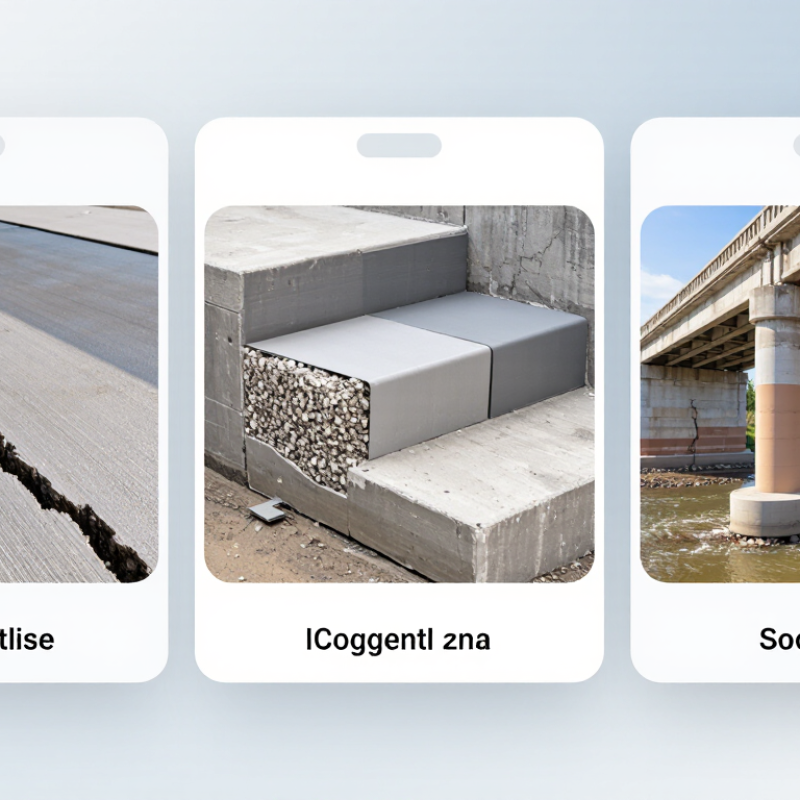
Why Choose Quikrete Concrete Repair Products?

Concrete cracks rarely announce themselves at a convenient time. A hairline split in a garage floor can widen after winter, while a spalled step may expose rough aggregate beneath the surface. The American Society of Civil Engineers’ 2021 Report Card for America’s Infrastructure counted about 42,000 U.S. bridges as structurally deficient, underscoring the broader need to inspect and maintain aging concrete. That figure concerns bridges, not household repairs. Still, it reinforces a practical point: damage deserves assessment before a patch is chosen.

Quikrete concrete repair products offer homeowners and contractors options for different repair conditions, from narrow cracks to damaged concrete surfaces. The right choice depends on the defect, substrate condition, preparation, and curing—not the label alone. Peter H. Emmons, a respected concrete-repair specialist, is often associated with this useful principle: “Concrete repair is a process, not merely a product.” The distinction matters. A clean, sound surface and careful application can be just as important as the material in the bag. Small details count.

This guide examines why people choose Quikrete, what its repair products are suited to address, and where expectations need checking against product instructions. A patch may improve appearance and function, but it cannot correct every underlying cause. That limitation is easy to overlook. Repair decisions should begin with the damage itself, then consider the product’s technical data sheet and the conditions at the site.

Why Choose Quikrete Concrete Repair Products?

Understanding Common Concrete Repair Needs

Concrete damage often starts small: a thin crack beside a step, a chipped garage edge, or a rough patch where water sits. Each problem has a different cause. Freeze-thaw cycles can loosen the surface, while poor drainage keeps concrete wet. Cracks may also reflect movement below the slab. Looks matter, but the cause matters more.

A repair material should suit the damage, the location, and the depth of the patch. Before applying anything, remove loose concrete and dirt, then follow the product’s directions for surface moisture and temperature. A patch over dusty or crumbling concrete may not bond well. It is tempting to fill every crack quickly. That shortcut can disappoint if the slab is still shifting. Wide, growing cracks or uneven sections deserve a closer assessment before repair.

Tips: Check the area after rain. Note where water collects, and mark cracks to see whether they change. For a small surface chip, use a repair product labeled for that application, and protect the patch while it cures. Conditions are easy to underestimate; shade and cool air can slow curing.

Exploring the Quikrete Concrete Repair Product Range

Concrete repair products serve different kinds of damage. A hairline crack, a chipped stair edge, and a worn patio need different repair methods. That distinction matters. Flexible fillers are commonly used for narrow cracks, while cement-based patching compounds can address deeper or wider areas. Resurfacing materials are intended to renew broader, worn concrete surfaces.

The package directions are important. Mixing ratios, surface preparation, application depth, and curing time vary by product. Remove loose fragments and dust before applying a repair material, or the bond may be weak. Some surfaces need dampening; others require a dry base. Check the instructions rather than guessing. It is easy to rush this part.

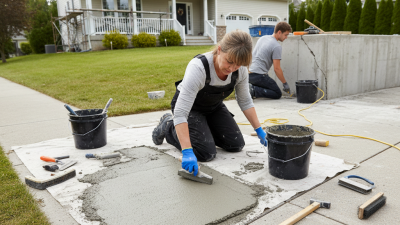
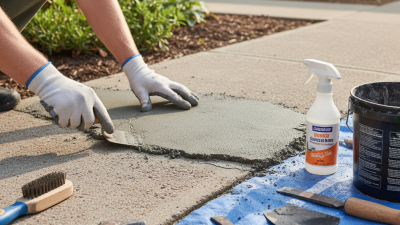
For a small repair, use a margin trowel to press compound into a chipped corner, then shape it to match the existing edge. A larger resurfacing job calls for steady application, since uneven passes can leave visible ridges. Temperature and rain can affect curing, so check the stated working conditions. Even careful work may not disappear completely; concrete patches can differ in color and texture from the surrounding slab. That can be disappointing, but matching the repair to the damage usually matters more than chasing a perfect blend.

Matching Products to Surfaces and Damage Types

Concrete repair works best when the material matches both the surface and the damage. For shallow chips in a slab or walkway, a cement-based patch can restore small areas without covering the whole surface. A thin resurfacing compound is better suited to widespread wear, provided the concrete is sound and properly prepared. Vertical steps and wall edges need a repair mix that stays in place instead of slumping.

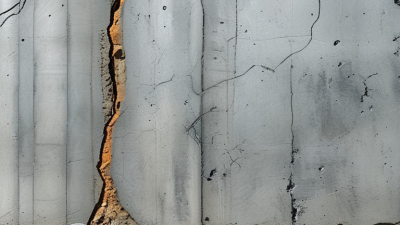
Cracks need a closer look. A narrow, stable crack may accept a flexible filler, while a wider broken edge often needs a thicker patching material. If a crack keeps opening, crosses a foundation, or comes with uneven settling, a surface repair may only hide the symptom. Get qualified advice before patching. It is easy to underestimate movement; I have seen a neat repair fail because the cause was never addressed.

Tips: Remove loose concrete and dust before applying any repair material. Check whether the instructions call for a dry or damp surface, and follow the specified mixing ratio. Test a small area when color matters. Repairs can cure differently from the surrounding slab, and a perfect match is not guaranteed. Don’t rush the curing time.

Why Choose Concrete Repair Products? — Matching Products to Surfaces and Damage Types

Surface or Location Typical Damage Repair Material to Consider Why It May Fit Key Preparation or Selection Note
Horizontal concrete slab, such as a patio or floor Shallow surface wear, small spalls, or minor surface deterioration Cement-based resurfacer or repair mortar rated for the repair depth Can restore a worn surface or fill localized shallow damage when used within the material’s specified thickness. Remove loose concrete and contaminants. Check whether the product requires a dampened substrate, bonding agent, or a specific curing method.
Concrete driveway or walkway Small chips, edge breaks, or shallow isolated spalls Exterior-rated patching mortar or concrete repair mix suitable for traffic exposure A repair mix formulated for exterior use may better suit exposure to weather and foot or vehicle traffic than an interior-only patch. Match the repair depth and exposure requirements. A patch may not stop recurring movement or correct a failing base.
Vertical concrete wall or foundation surface Small voids, chipped corners, or localized surface loss Vertical or overhead repair mortar labeled for the intended application A non-sag formulation is designed to stay in place on vertical surfaces during application. Remove unsound material and follow the stated layer-thickness limits. Large or deep structural damage needs professional assessment.
Narrow, stable crack in concrete A non-moving crack with no significant displacement Crack filler or injectable repair material specified for the crack width and location A material designed for crack filling can enter or bridge a narrow crack more effectively than a coarse patch mix. Identify the cause first. Moving, widening, leaking, or displaced cracks may require a flexible joint treatment or specialist repair rather than rigid filler.
Concrete expansion or control joint Failed or missing joint sealant Flexible concrete joint sealant compatible with the joint and expected movement Flexible sealants accommodate joint movement; rigid patching material can restrict movement and may crack or debond. Clean and prepare the joint as directed. Use appropriate backer material when specified, and do not seal a joint that must remain open for drainage.
Concrete step, curb, or slab edge Broken corner or localized edge spall Formable repair mortar suitable for edge repairs and the required repair depth A formable mortar can rebuild a defined edge when properly supported and applied within its instructions. Use a sound, clean substrate and temporary formwork if needed. Repairs exposed to de-icing salts or repeated freeze-thaw cycles need suitable exterior-rated materials.
Concrete with deep, extensive, or recurring damage Deep spalling, exposed reinforcement, significant settlement, or wide structural cracks A repair system selected after assessment; structural repairs may require engineered methods Material choice depends on the cause, depth, reinforcement condition, load, and whether the damage is active. Do not treat a surface patch as a structural fix. Consult a qualified concrete professional or structural engineer when safety or load-bearing capacity may be affected.

Product suitability depends on the specific substrate, repair depth, exposure, and manufacturer instructions. Always follow the product label and address the underlying cause of the damage.

Applying Quikrete Repairs for Reliable Results

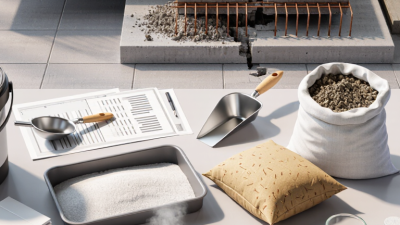
Reliable concrete repairs begin before the mix touches the surface. Remove loose fragments with a chisel, then brush away dust and grit. Dust matters. Clean edges help repair material bond to sound concrete, not debris. For cracks or shallow spalls, check that the chosen repair compound suits the damage and location. A patch on a vertical step may need a different consistency from one on a flat walkway.

Follow the product instructions for water quantity, mixing time, and working temperature. Too much water can weaken a patch; too little may make it difficult to press into small gaps. Mix only what you can place within the stated working time. Work the material firmly against the prepared edges, and smooth it with a damp finishing tool before it begins to set. Rushing this part often leaves air pockets or rough lips.

Protect the repair while it cures. Wind, direct sun, and sudden temperature changes can dry the surface too quickly, so follow the specified curing method and keep foot traffic off it as directed. Check the patch after curing for gaps, flaking, or differences in height. Small imperfections happen, even with careful work. If damage keeps returning or extends deeply into the slab, a surface patch may not address the underlying cause.

Evaluating Durability, Ease of Use, and Project Fit

Concrete repair choices should start with the damage, not the package. A hairline crack on a sheltered step needs a different repair than a spalled garage apron exposed to freeze-thaw cycles. The American Society of Civil Engineers’ 2021 Report Card for America’s Infrastructure found that 43% of U.S. roads were in poor or mediocre condition. That figure signals widespread maintenance needs, but it cannot predict how a particular home repair will perform.

Durability depends on matching the repair material to the concrete, exposure, and repair depth. ASTM C928/C928M sets requirements for packaged, rapid-hardening cementitious materials used in concrete repairs. Check the product’s stated application depth, curing conditions, and reopening time against the job. A fast cure is useful for a busy walkway. It may be less important on a quiet garden step. No patch lasts forever.

Ease of use matters, too. Look for clear mixing directions and a workable application window. Remove loose concrete and dust before applying the material; a rushed surface preparation can undermine a carefully chosen mix. For a small vertical repair, a product that stays in place may be easier to handle than a fluid mix. Compare the instructions with the actual site conditions, and pause if the substrate is damp, crumbling, or unusually cold. Repair products have limits, and the cause of recurring damage may need attention first.

Find the Right Repair Product for Your Project

Need to find the most appropriate product for the needs of your project? We can help because we have over 70 years of experience servicing the industry with every kind of project, from Do-it-yourself projects to large skyscrapers. Package Pavement has the experience, the knowledge and the products to help every project succeed.

Quikrete Repair Products
Legend
Package Pavement has two convenient locations in Stormville, NY (Dutchess County) and Ravena, NY (Greene County) to serve the Northeastern Region with bagged concrete, blacktop, mortar, and repair products. This map gives a general idea of where we service and the product lines we offer.
Package Pavement Products
Quikrete Products
Spec Mix Products
map

Our Brands Websites