What Is the Best Colored Cement for 2026?

Choosing the best colored cement for 2026 requires more than comparing shade charts or purchase prices. The strongest option must combine stable pigments, reliable curing performance, and practical resistance to weather, abrasion, and alkaline conditions. A warm terracotta may look perfect indoors, yet fade visually beside a sunlit driveway. The mix matters.

Brian McCarthy, a senior technical specialist in architectural concrete coloring, states, “Color should be treated as part of the concrete mix, not as a surface decoration.” That principle remains important as manufacturers develop lower-carbon binders and more concentrated mineral pigments. The best colored cement should deliver consistent tone throughout the material, not merely create a thin decorative skin.

Performance comes first.

This guide will examine pigment chemistry, cement compatibility, water-to-cement ratios, batch consistency, and long-term color retention. It will also consider application settings, including facades, patios, commercial floors, and precast panels. A small sample panel is essential. Full-scale results can change because of moisture, aggregate color, finishing pressure, and curing temperature.

There is no universal winner. A premium product may offer stronger fade resistance but exceed a residential budget. A cheaper blend may appear attractive initially, then reveal uneven patches after several seasons. That is an uncomfortable possibility. Product data sheets also deserve careful reading, because marketing language can sound more certain than field evidence.

The following comparison focuses on measurable performance, installer experience, manufacturer transparency, and responsible material selection. It aims to identify the most dependable colored cement choices for 2026, while acknowledging that local climate and project conditions can change the final decision.

What Is the Best Colored Cement for 2026?

What Is Colored Cement and How Does It Work?

What Is the Best Colored Cement for 2026?

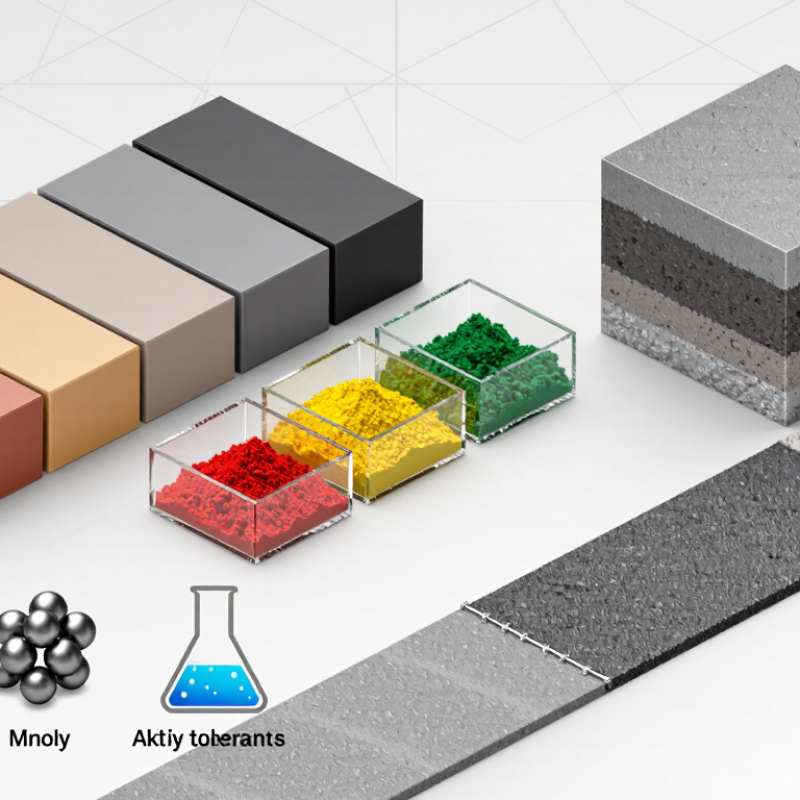
Colored cement is a cement-based material mixed with mineral pigments before application. The pigment usually contains iron oxides or other stable colorants. During hydration, cement reacts with water and hardens around these particles. The color becomes part of the mix instead of forming a thin surface coating.

This method works well for paving, walls, mortar, and decorative concrete. A consistent pigment dose is essential. Too little creates a weak shade, while too much may reduce workability. Water also changes the final appearance. More water can produce a paler, uneven finish after drying. I recommend testing a small sample with the same sand, cement, water, and curing conditions. Small details matter.

The best colored cement for 2026 depends on exposure and use. Outdoor surfaces need pigments that resist sunlight, moisture, and alkaline cement conditions. Indoor applications may allow a wider color range. Check technical data for pigment stability, recommended dosage, curing guidance, and compressive performance. The surface should remain clean and properly prepared. Dust, oil, or uneven absorption can create visible patches.

Color can still vary.

Even experienced workers may see differences between sample boards and finished walls. Temperature, mixing time, local materials, and drying speed all influence the result. I have found that a carefully recorded mix produces more reliable results than visual judgment alone. Yet no formula removes every surprise. Cement is practical, but it is not perfectly predictable.

What Is the Best Colored Cement for 2026?

Colored cement is produced by blending cement with mineral pigments that remain stable in alkaline concrete. Inorganic pigments are generally the most reliable choice for exterior work because they offer stronger resistance to UV exposure, weathering, heat, and cement alkalinity.

Typical Pigment Dosage by Cement Mass

The chart shows common dosage ranges used to achieve practical color intensity. Actual requirements vary with cement type, aggregate color, water content, and the desired shade. Always confirm the final dosage through a trial batch and the pigment supplier’s technical data.

Which Colored Cement Types Are Available in 2026?

What Is the Best Colored Cement for 2026?

Which Colored Cement Types Are Available in 2026?

Colored cement is not one standardized product. In 2026, buyers can choose integral pigment cement, white cement blends, gray cement blends, and dry-shake color hardeners. Integral pigments are mixed throughout the concrete, creating consistent color on edges and exposed surfaces. Iron oxide pigments remain common because they provide stable red, yellow, brown, and black shades.

White cement offers brighter colors and cleaner pastel tones. Gray cement produces deeper, more natural finishes. Dry-shake hardeners suit patios, driveways, and warehouse floors because they concentrate color near the surface. However, they can show uneven shading if workers apply powder inconsistently. I have seen this happen.

ASTM C979 covers pigments for integrally colored concrete, while EN 12878 addresses pigments used in construction materials. These standards emphasize alkali resistance, weather stability, and pigment performance. Ask for test panels before approving a large pour. The same pigment may appear red in a dry sample but brown on damp concrete.

The USGS Mineral Commodity Summaries 2025 estimated global cement production at about 4.1 billion metric tons in 2024. This vast market is also changing. The International Energy Agency identifies clinker reduction and supplementary cementitious materials as important emissions strategies. Therefore, 2026 options may include colored blends using limestone, slag, or calcined clay. Their color response can differ from traditional cement.

Do not judge color from a catalog alone. Check cement type, pigment dosage, curing method, surface texture, and local sunlight. The “best” choice depends on the finished surface, not the sample card.

What Is the Best Colored Cement for 2026? - Which Colored Cement Types Are Available in 2026?

A practical comparison of the main colored-cement and cement-coloring systems used for concrete, mortar, plaster, paving, and decorative surfaces.

Colored Cement Types Available in 2026
Colored Cement Type How Color Is Added Typical Color Range Best-Suited Applications Main Advantages Important Limitations Color Consistency Overall Suitability
Integral Mineral-Pigment Cement Lightfast inorganic pigments are blended directly into the cementitious mix before placement. Earth reds, yellows, browns, blacks, greens, muted blues, and gray shades. Cast-in-place concrete, precast products, paving units, mortar, stucco, and architectural concrete. Color extends through the material; good weathering performance; suitable for large projects; compatible with normal cement mixes. Final color varies with cement color, water content, aggregate, curing, finishing, and surface texture. Very bright colors are difficult to achieve. High when dosage, materials, and curing conditions are controlled. ★★★★★
Best general-purpose option for durable, through-colored cementitious work.
White-Cement-Based Colored Concrete Colored concrete is produced with white cement and mineral pigment instead of ordinary gray cement. Cleaner pastels, brighter reds, yellows, greens, blues, creams, and light neutral tones. Decorative architectural concrete, terrazzo-style surfaces, precast panels, countertops, and light-colored paving. Produces clearer and more predictable light shades because the cement has a lower background color. Usually costs more than gray-cement mixes; still affected by aggregate color, curing, water ratio, and finishing method. High for light and bright shades when all ingredients are kept consistent. ★★★★★
Best choice when bright or pale color accuracy is a priority.
Gray-Cement-Based Colored Concrete Mineral pigment is incorporated into ordinary gray Portland cement or blended cement. Charcoal, gray, brown, terracotta, muted red, ochre, and other darker earth tones. Driveways, slabs, sidewalks, foundations with visual requirements, masonry mortar, and general outdoor concrete. Widely available; economical; works well for dark, natural, and subdued colors. The gray cement base reduces brightness and can make light colors appear dull or inconsistent. Moderate to high with controlled batching and curing. ★★★★☆
Best value for darker colors and routine exterior concrete.
Dry-Shake Surface Color Hardener A dry cementitious blend containing pigment and hard aggregate is broadcast onto freshly placed concrete and worked into the surface. Many decorative colors, including stone-like reds, browns, tans, grays, greens, and blended effects. Stamped concrete, decorative patios, walkways, pool decks, courtyards, and textured slabs. Creates a dense, abrasion-resistant surface; supports decorative finishing and stronger visual contrast than plain concrete. Color is concentrated near the surface; uneven broadcasting or finishing can cause mottling. Requires correct timing and skilled installation. High when application rates and finishing practices are consistent. ★★★★☆
Best for decorative surfaces requiring texture and surface durability.
Liquid Integral Color Admixture A liquid pigment dispersion is metered into the concrete or mortar during batching. Commonly available in neutral, earth, red, yellow, green, and blue-based shades. Ready-mix concrete, precast concrete, masonry mortar, fiber-cement products, and projects needing automated dosing. Convenient dosing; reduced dust during handling; easy integration with automated batching systems. Requires accurate metering and thorough mixing. Water, cement, aggregate, and admixture changes can affect the final shade. High with calibrated equipment and stable mix proportions. ★★★★☆
Best for repeatable production and large-volume batching.
Pigmented Cement Mortar or Render Mineral pigment is blended into cement mortar, stucco, render, grout, or repair material. Natural earth colors, off-whites, grays, browns, reds, yellows, and muted greens. Facades, masonry joints, stucco, plaster, pointing mortar, repair work, and decorative wall finishes. Provides color and function in one cementitious layer; useful for matching masonry and reducing the need for a separate coating. Shade can vary between batches; substrate suction, weather, joint tooling, and curing affect appearance. Moderate to high when the substrate and application conditions are uniform. ★★★★☆
Best for colored walls, joints, renders, and cement-based repairs.
Cement-Based Overlay or Microtopping A thin polymer-modified cementitious layer is mixed with pigment and applied over an existing sound substrate. Neutral shades, concrete gray, warm earth colors, and custom blended tones. Renovation of floors, walls, stairs, countertops, retail interiors, and decorative residential surfaces. Can refresh an existing surface with limited thickness; supports smooth, troweled, textured, or layered finishes. Requires a stable, properly prepared substrate. It is not a replacement for structural repair and may crack if the base moves. Moderate to high, depending on surface preparation and applicator technique. ★★★★☆
Best for thin decorative renovations rather than new structural concrete.
Cement-Based Surface Stain A reactive or penetrating stain changes the appearance of cured cementitious surfaces rather than coloring the entire mix. Translucent earth tones, brown, tan, black, rust, green, and variegated effects. Cured concrete floors, decorative slabs, interior finishes, and restoration projects where natural variation is desired. Creates translucent, variegated effects and can improve the appearance of existing concrete without replacing it. Color is not fully opaque; results depend heavily on surface porosity, contamination, previous coatings, and concrete composition. A protective sealer is normally required. Moderate; sample testing is essential before full application. ★★★☆☆
Best for decorative color effects on existing cured concrete.
Colored Cement Tile or Paver Mix Pigmented cement paste or concrete is used in molded, pressed, vibrated, or precast paving products. Gray, charcoal, terracotta, cream, ochre, brown, red, and custom blended colors. Concrete pavers, tiles, landscape elements, facade units, kerbs, and precast architectural components. Factory-controlled production can provide consistent dimensions, density, texture, and color; suitable for modular designs. Efflorescence, weathering, abrasion, and batch variation can alter the visible color over time. Matching replacement units may be difficult. High in controlled manufacturing; lower when products are made in small batches. ★★★★☆
Best for modular paving and factory-produced cement products.

Selection note: For most new exterior concrete, integral inorganic pigment is the most dependable choice. White cement is preferable for bright or pastel colors, while surface hardeners and stains are better suited to decorative finishes or existing concrete. Always create a representative sample because cement color, aggregate, water content, curing, finishing, and sealing can significantly change the final appearance.

How to Compare Color, Strength, Durability, and Cost

Choosing the best colored cement for 2026 starts with performance, not shade alone. Ask for pigment type, dosage, and batch consistency. ASTM C979 requires pigments for integrally colored concrete to resist alkalis, sunlight, and weathering. EN 12878 also classifies pigments by durability performance. These standards help, but they cannot guarantee a perfect match on every pour. Water changes color. A field trial remains essential.

For strength, compare 28-day compressive results from the same mix design. Avoid comparing colored and plain mixes with different water-cement ratios. ACI 318 connects exposure conditions with water-cement limits and strength requirements. Durability also depends on freeze-thaw cycles, chloride exposure, abrasion, curing, and sealing. The International Energy Agency’s 2023 cement report estimates that cement production creates about 7% of global carbon dioxide emissions. Lower-carbon cement may reduce impact, but early strength and availability can change. Cost should include pigment, testing, rejected batches, curing, and maintenance. The cheapest powder may become costly after a visible mismatch.

Tips: Request three cured samples, not wet samples. Check them in shade and direct sunlight. Compare certificates, 28-day data, and weathering evidence. Record pigment dosage and site water additions. Price a small mock-up. Skipping it feels efficient, but it can become a false saving.

How to Choose the Best Colored Cement for Each Project

The best colored cement in 2026 depends on the project, not a single universal formula. A patio exposed to summer sun needs pigments that resist fading and weather changes. An indoor wall may prioritize smooth texture and easy application. For paving, choose cement compatible with the aggregate, moisture level, and expected foot traffic. Check the technical data sheet, not only the color chart. Color charts can mislead.

In practice, compare mineral pigment stability, cement grade, setting time, and water demand before ordering. Iron oxide pigments often provide durable earthy shades, while brighter colors may need stricter dosage control. Ask for batch information and confirm whether the color runs through the cement or forms a surface layer. Integral color usually hides small scratches better. Still, it will not conceal poor finishing. Check the substrate. A simple test panel can reveal unexpected darkening after curing. Use the planned water ratio and finishing method during this trial.

For exterior work, review freeze-thaw performance, salt exposure, drainage, and curing guidance. For floors, test slip behavior after sealing and cleaning. Measure each batch carefully, because extra water can create pale patches and weaker surfaces. Keep unused material dry and record the mixing sequence. I once underestimated afternoon heat; the surface dried too quickly and lost its even tone. That mistake changed my checklist. Test it outdoors when the project will face outdoor conditions.

What 2026 Trends Are Shaping Colored Cement Selection?

What Is the Best Colored Cement for 2026?

What 2026 Trends Are Shaping Colored Cement Selection?

Colored cement selection is changing with climate goals, digital production, and demanding surface designs. The best option is rarely the brightest one. It must retain color, resist weather, and suit the project’s exposure conditions. Low-carbon binders are gaining attention, but their chemistry can affect shade stability and early strength. Mineral pigments remain important because they tolerate sunlight and alkaline cement environments. Still, every formula needs testing.

Digital color matching is also influencing production. Contractors can compare sample panels under daylight, shade, and wet conditions before ordering. This reduces costly surprises. Regional materials matter too. Local sand, water quality, and curing temperature can shift the final tone. A reliable specification should request batch records, pigment content, compressive-strength data, and weathering results. A small sample can mislead.

Tips: Test full-size panels, not just paper chips. Check color after curing and after rain. Ask for results from comparable climates. Confirm slip resistance, cleaning needs, and repair matching. Leave room for slight batch variation; perfect uniformity is not always realistic.

Circular construction is another 2026 influence. Recycled mineral content may reduce environmental impact, yet it can create subtle color changes between batches. That trade-off deserves honest review. Designers should balance appearance with service life, maintenance, and verified environmental data. The most responsible choice may look less dramatic at first. That is easy to overlook.

Find the Right Repair Product for Your Project

Need to find the most appropriate product for the needs of your project? We can help because we have over 70 years of experience servicing the industry with every kind of project, from Do-it-yourself projects to large skyscrapers. Package Pavement has the experience, the knowledge and the products to help every project succeed.

Quikrete Repair Products
Legend
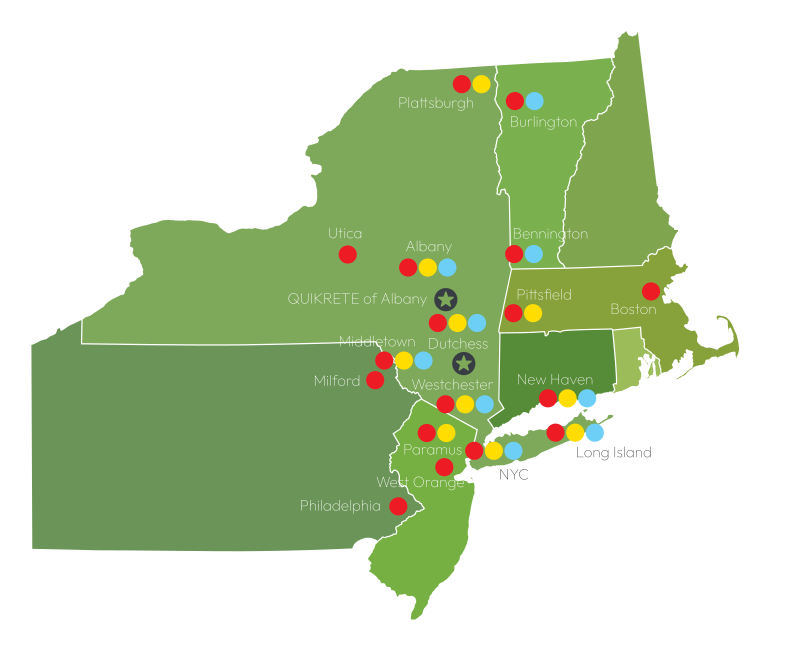
Package Pavement has two convenient locations in Stormville, NY (Dutchess County) and Ravena, NY (Greene County) to serve the Northeastern Region with bagged concrete, blacktop, mortar, and repair products. This map gives a general idea of where we service and the product lines we offer.
Package Pavement Products
Quikrete Products
Spec Mix Products
map

Our Brands Websites