



How to Choose the Right Masonry Repair Solutions for Your Project?

Choosing the right masonry repair solutions can be daunting. Masonry structures, from brick walls to stone facades, require precise attention. Each type of damage calls for a specific repair method. Understanding these needs ensures a durable fix.

Masonry repair is not just about aesthetics; it ensures safety and structural integrity. A failing masonry wall can lead to larger problems, like water infiltration or pest issues. This highlights the importance of selecting proper techniques and materials for repairs.

Many homeowners feel overwhelmed by choices. Not every product fits every situation. Consulting experts can prevent costly mistakes. Researching, considering local conditions, and evaluating repair methods are wise steps. Quality masonry repair extends the lifespan of your structure, protecting your investment. Your careful choice today influences your property's future.

How to Choose the Right Masonry Repair Solutions for Your Project?

Understanding Different Types of Masonry Damage

Masonry damage can appear in various forms, each requiring a unique approach. Cracks in the walls are common signs, often caused by settling or expansion. These cracks may be hairline thin or wide enough to fit a dime. Addressing these cracks promptly is vital to prevent further damage. Consider whether they are vertical, horizontal, or diagonal, as this can indicate different underlying issues.

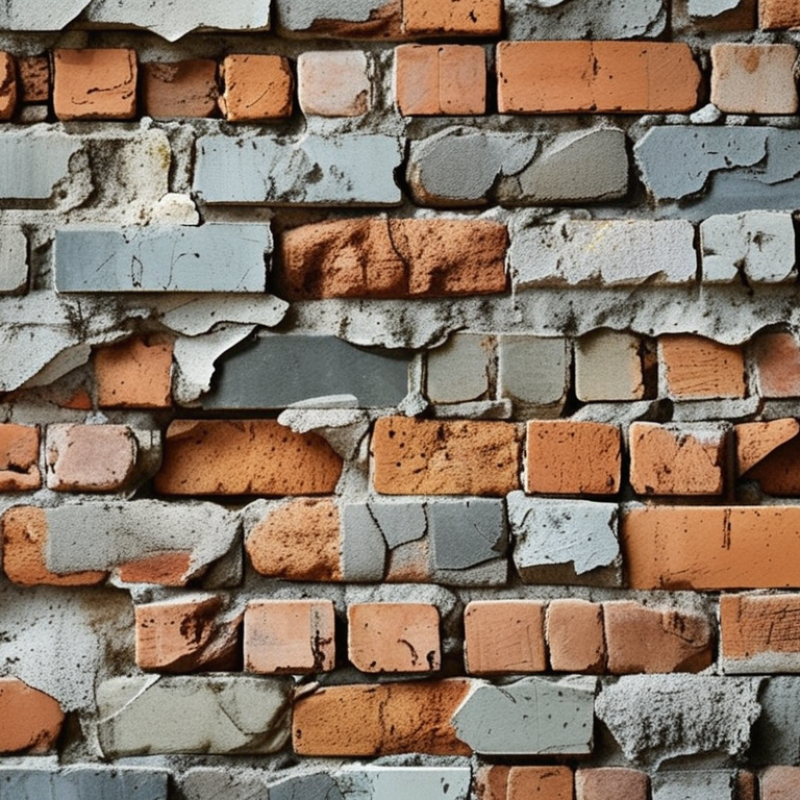
Another form of masonry damage is spalling. This occurs when the surface of bricks or stones starts to chip away. Spalling often results from water penetration or freeze-thaw cycles. The deterioration may be superficial, but it can lead to structural weaknesses if not treated. As repair options vary, assessing the extent of the spalling is crucial to select an appropriate solution.

Efflorescence is another issue worth noting. It manifests as white powdery stains on brick surfaces, caused by salt deposits. This condition can harm the aesthetics and integrity of masonry. Homeowners should not ignore these signs. Identifying the underlying cause is important for effective remediation. Repair strategies can differ based on the specific type of masonry damage observed in each project.

Understanding Different Types of Masonry Damage

Assessing the Severity of Masonry Issues

Assessing the severity of masonry issues is crucial for any repair project. A proper assessment helps determine the appropriate repair methods. Signs of damage can vary greatly. Cracks, for instance, may seem minor, but underlying issues could exist. Some cracks are cosmetic, while others indicate structural problems.

When inspecting masonry, look for discoloration or dampness. These signs can suggest water intrusion, leading to more complex issues. In some cases, spalling or flaking indicates the need for urgent repair. This happens when moisture enters the material and causes it to break down.

Use a systematic approach during your evaluation. Document every issue you find. Photos can be helpful for tracking changes over time. This kind of detailed assessment builds a clearer picture of the degree of damage. It’s also essential to consult with a masonry expert when in doubt. Engaging a professional can provide insights that may not be immediately apparent. Remember, neglecting small issues early can lead to larger problems later.

How to Choose the Right Masonry Repair Solutions for Your Project? - Assessing the Severity of Masonry Issues

Issue Severity Description Recommended Solutions Estimated Cost ($)
Minor Surface cracks, discoloration Sealant application, Repaint $100 - $300
Moderate Cracks wider than 1/8 inch, loose mortar Repointing, Epoxy injections $500 - $1500
Severe Extensive cracks, structural damage Wall reinforcements, Full restoration $2000 - $5000
Critical Complete collapse, major safety hazard Emergency repairs, Demolition and rebuild $5000+

Evaluating Suitable Repair Methods for Specific Damage

When assessing masonry damage, the first step is to identify the specific type of issue. Cracks can arise from various sources, including settling, moisture, or freeze-thaw cycles. Each cause demands different repair methods. For small, hairline cracks, a simple epoxy injection may suffice. Larger, structural cracks might require more intensive solutions such as underpinning or wall reinforcement.

Another common concern is spalling, where the masonry surface deteriorates due to moisture exposure. A breathable sealant can prevent further damage. However, if the spalling is severe, it may be necessary to remove and replace the affected bricks. A professional assessment provides greater insight into the extent of the damage.

Sometimes, homeowners may rush into repairs without fully understanding underlying issues. This can lead to ineffective solutions that only mask problems temporarily. It's important to consider long-term stability rather than opting for quick fixes. Each project should be approached with careful evaluation to ascertain the best repair method tailored to the specific damage.

Selecting Quality Materials for Masonry Repair

When selecting quality materials for masonry repair, consider the specific needs of your project. It's crucial to assess the condition of the existing structure. Not all repairs require the same materials. For instance, cracked brick may need a different approach than loose mortar. Understanding these differences can save time and money.

Choosing the right material also involves knowing its properties. For example, some mortars can withstand better weather conditions. Others may be more flexible, which is essential in areas prone to movement. Integrating the right materials ensures durability. However, not all "high-quality" options are appropriate. It's easy to be swayed by marketing claims. Always research and consult with professionals to confirm your choices.

Also, reflect on the installation process. Quality materials might be wasted if applied incorrectly. Proper preparation before repair can prevent future issues. Ensuring the surface is clean is just one step. Take your time and follow best practices. Quality materials are only effective if used wisely.

Hiring the Right Professionals for Your Masonry Project

When hiring professionals for masonry projects, it's essential to focus on their expertise and reliability. Many homeowners assume that any contractor will suffice, but this is a misconception. According to the Masonry Contractors Association of America, using skilled masonry professionals ensures a project lifespan that can exceed 50 years. Poor workmanship can lead to costly repairs and unsafe structures, so selecting the right expert is crucial.

In addition to skills, consider the contractor’s reputation. A study from Remodeling Magazine highlights that over 75% of homeowners prioritize reviews and recommendations. Engaging with previous clients can provide insights into the contractor’s work ethic and quality. Furthermore, local masonry experts often know the area's specific challenges, from weather considerations to local building codes. This localized expertise can be invaluable for project success.

When assessing potential contractors, ask for evidence of past projects and relevant certifications. A significant number of masons have ongoing education in the latest materials and techniques. However, not all professional paths lead to qualification. Hiring an unlicensed contractor might appear cost-effective upfront but can yield severe long-term issues. It’s a risk that is often not worth taking.

Find the Right Repair Product for Your Project

Need to find the most appropriate product for the needs of your project? We can help because we have over 70 years of experience servicing the industry with every kind of project, from Do-it-yourself projects to large skyscrapers. Package Pavement has the experience, the knowledge and the products to help every project succeed.
Quikrete Repair Products
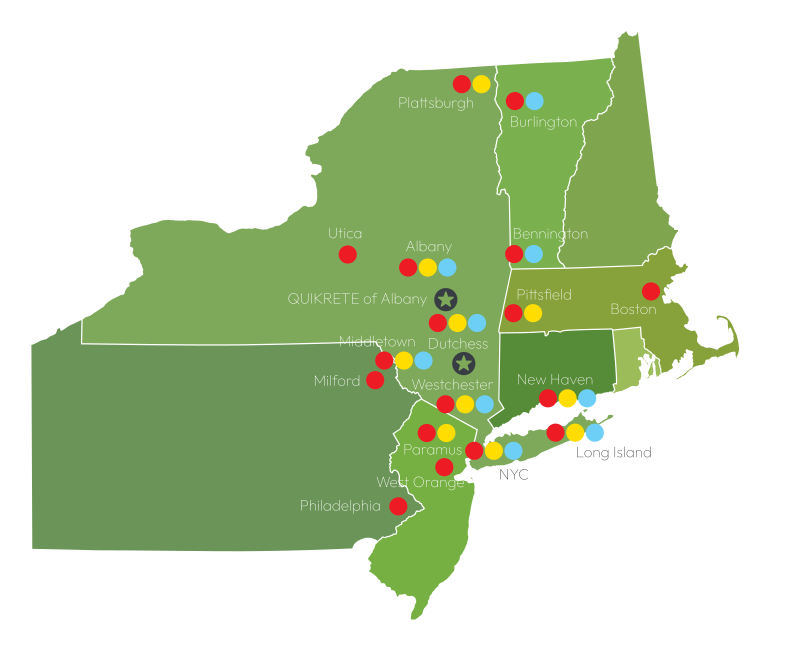
Legend
Package Pavement has two convenient locations in Stormville, NY (Dutchess County) and Ravena, NY (Greene County) to serve the Northeastern Region with bagged concrete, blacktop, mortar, and repair products. This map gives a general idea of where we service and the product lines we offer.
Package Pavement Products
Quikrete Products
Spec Mix Products
map

Our Brands Websites