Who Are the Top Mortar Mix Suppliers in China?

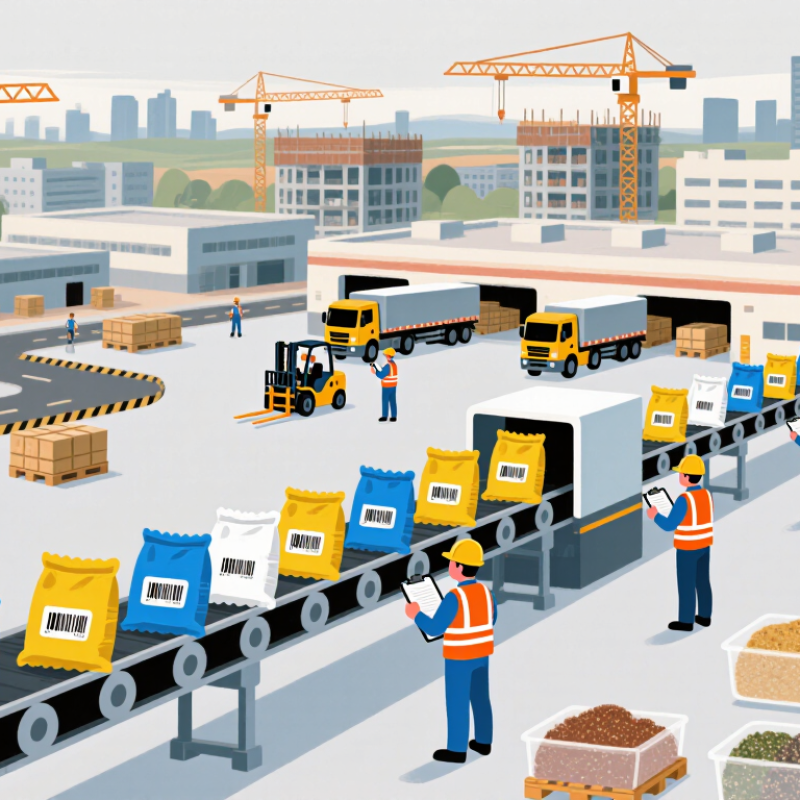
China’s mortar mix market serves construction projects ranging from apartment renovations to large commercial developments. Suppliers differ in product range, production capacity, regional coverage, and technical support. A familiar brand name alone is not enough.

This guide examines how to identify leading suppliers and compare them on practical evidence. Buyers can review product data sheets, declared compressive strength, water-retention performance, packaging options, and documented quality-control procedures. Ask for recent test reports. Check the batch details. These steps help distinguish a well-supported product from one described mainly through broad marketing claims.

Delivery matters, too. A supplier with suitable products may still be a poor fit if its factory is far from the project or its lead times are unclear. Request written information about minimum order quantities, delivery schedules, storage guidance, and technical assistance. Where possible, compare samples under the same site conditions; mixing water, substrate preparation, and weather can affect results.

No single company is best for every buyer. Local availability and application requirements change the comparison, and supplier information can become outdated. That limitation deserves attention. The overview that follows focuses on verifiable indicators rather than unsupported rankings, helping contractors, distributors, and project teams assess mortar mix suppliers with greater care.

Who Are the Top Mortar Mix Suppliers in China?

What Is Mortar Mix and Where Is It Used?

Mortar mix is a workable blend used to bond bricks, blocks, or stone and fill the joints between them. Many dry mixes contain cement, graded sand, and carefully selected additives; water is added on site. Traditional mortar may also include lime. It is not concrete. Concrete usually contains coarse aggregate and is designed for different uses.

On a wall, mortar should hold masonry units firmly while allowing small, expected movements. It is also used for repointing worn joints and, in suitable formulations, coating walls with a render. The right mix depends on the units, exposure, and project specification. A hard, strong mortar is not automatically better: it can damage softer brick as the wall weathers. Small details matter. Check the product instructions, measure water consistently, and avoid adding extra water just to make the mix easier to spread. That shortcut can weaken the finished joint. Mortar also has a limited working time, so mix only what the crew can place before it stiffens. I would not treat every bag as interchangeable; matching the mix to the masonry is easy to underestimate.

Mortar Mix: Strength Classes and Typical Uses

Mortar mix is a blend of cementitious materials, sand, and water, sometimes with lime or other additives. It bonds masonry units such as bricks and concrete blocks.

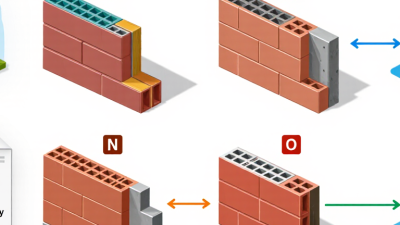
The chart shows ASTM C270 minimum 28-day compressive strengths for laboratory-prepared mortar: Type M, 2,500 psi; Type S, 1,800 psi; Type N, 750 psi; and Type O, 350 psi. Typical uses range from below-grade or heavily loaded masonry (M) to general above-grade work (N) and interior, non-load-bearing masonry (O). Choose mortar based on the project specifications and applicable local codes.

How Are Leading Mortar Mix Suppliers in China Identified?

Leading mortar mix suppliers are identified through evidence, not catalogue claims. The National Bureau of Statistics reported construction industry output of about RMB 31.6 trillion in 2023, showing the scale of China’s building market. That scale makes stable production and delivery important. Numbers help.

Buyers can request recent test reports for water retention, compressive strength, setting time, and consistency, matched to the intended application. Check whether samples from separate batches perform similarly, and whether production records trace ingredients to finished products.

A factory audit should examine storage conditions, calibration records, dust control, and loading procedures. Details matter.

The UNEP 2023 Global Status Report for Buildings and Construction estimated that buildings and construction accounted for 34% of global energy demand and 37% of energy- and process-related carbon dioxide emissions in 2022. These figures are not mortar-specific, but they support asking suppliers for verifiable energy and emissions data.

No scorecard is perfect. Assess technical support and delivery reliability too, while treating polished brochures as claims until independent evidence confirms them.

Which Companies Are Among China’s Top Mortar Mix Suppliers?

China’s leading mortar mix suppliers generally fall into three groups: large dry-mix producers, diversified construction-material manufacturers, and regional specialists. The first group often serves major building markets with broad product ranges. Regional suppliers may focus on tile adhesives, masonry mortar, or repair blends, and can offer shorter delivery routes. That matters on site.

A supplier’s size alone does not prove product quality. Ask for current technical data sheets, test results, and clear mixing instructions. Check whether the stated coverage and setting time suit your substrate and local weather. A small trial batch can reveal issues that a brochure cannot, such as poor workability or inconsistent color. Look for batch identification and a practical process for handling complaints. These checks are useful, though they do not guarantee trouble-free work.

The best fit depends on the project, not a universal ranking. Compare sample performance, production consistency, delivery reliability, and technical support. Some buyers focus too heavily on price; I would not treat that as the whole picture. Mortar is only one part of the wall, but its behavior can affect labor time and finish quality.

What Products and Services Do These Suppliers Offer?

China’s mortar suppliers typically offer more than bagged dry mix. Their portfolios may include masonry mortar, tile adhesive, plaster, repair mortar, waterproofing blends, and self-leveling compounds. For projects, suppliers can adjust setting time, water retention, strength, and workability to suit local sand, weather, and application methods. Some also provide bulk delivery, moisture-resistant packaging, mixing equipment guidance, and on-site testing. The service matters. A technically sound mix can still fail when crews add too much water or apply it over dusty concrete.

Support quality varies. Ask whether the supplier provides batch records, test data, and written application instructions. Request a trial batch using your actual substrate and mixing equipment. UNEP and the Global Alliance for Buildings and Construction reported that buildings and construction accounted for 37% of global energy- and process-related CO₂ emissions in 2022. This sector-wide figure is not specific to mortar, but it makes product durability and material efficiency relevant selection criteria. Low-dust or recycled-content options may be available, though their performance should be checked rather than assumed.

Tips: Compare technical data sheets, not just prices. Confirm coverage per bag, open time, curing needs, and storage limits. A neat specification is not enough; site conditions can still upset the result.

Who Are the Top Mortar Mix Suppliers in China? - What Products and Services Do These Suppliers Offer?

This is a non-ranked overview of common supplier segments in China’s mortar market. Company names and brands are omitted; actual product ranges, certifications, and service capabilities vary by supplier and location.

Supplier segment Typical mortar products Common applications Services commonly offered Procurement considerations
General dry-mix mortar manufacturers Premixed masonry mortar, plastering mortar, screed, tile adhesive, and wall skim coat Residential and commercial construction, masonry, interior finishing, and floor preparation Bulk or bagged supply; product selection guidance; application instructions; technical documentation Check whether the supplier’s formulations suit the project substrate, climate, application method, and relevant Chinese standards.
Tile-setting material specialists Cement-based tile adhesives, grouts, and related surface-preparation mortars Installing ceramic, porcelain, or stone tiles on walls and floors Recommendations on adhesive selection, substrate preparation, coverage, and installation procedures Confirm suitability for tile type and size, indoor or outdoor use, wet areas, and the specified substrate.
Thermal-insulation system material suppliers Insulation-board adhesive mortar, base-coat mortar, and associated mesh-embedding products External wall insulation and façade finishing systems System component guidance, installation details, and job-site technical support where available Verify compatibility among the mortar, insulation board, reinforcement mesh, and finish coat; assess the complete system rather than a single product.
Repair and specialty mortar manufacturers Repair mortar, non-shrink grout, waterproofing mortar, self-leveling underlayment, and anchoring grout Concrete repair, equipment base grouting, floor leveling, and selected waterproofing or repair work Product data sheets, application recommendations, and technical consultation for specified uses Compare strength, flow, setting time, thickness limits, exposure conditions, and testing requirements against the project specification.
Regional wet-mix mortar producers Ready-to-use wet masonry, plastering, or screed mortar supplied for short-duration use Projects near a production plant that need delivered mortar for on-site application Scheduled delivery by tanker or suitable vehicle; coordination of delivery volumes and site access Because wet mortar has a limited working window, confirm delivery distance, unloading arrangements, site storage, and expected consumption.
Integrated building-material suppliers Several dry-mix mortar categories, sometimes alongside related construction materials Projects seeking multiple finishing, masonry, or insulation materials from a coordinated source Combined product supply, logistics coordination, product documentation, and project-level technical assistance Check which products are manufactured directly, which are sourced from other producers, and what quality-control documentation is available.

How Can Buyers Compare and Select a Chinese Supplier?

Comparing Chinese mortar mix suppliers requires more than checking a price sheet. Ask each supplier for a current technical data sheet, safety information, and batch test results. Compare the same properties, such as water retention, open time, bond strength, and compressive strength. A low price can look attractive until extra water or uneven setting causes problems on site.

Request samples from shortlisted suppliers and test them under your actual conditions. Use the same substrate, mixing ratio, temperature, and application thickness. Record how easily the mortar spreads and whether it stays workable in the bucket. Small differences matter. Ask about production capacity, packaging options, lead times, and how batches are tracked. A factory visit or live video walkthrough can help confirm equipment and storage conditions, but it cannot replace independent testing.

Check how clearly the supplier answers technical questions. Vague replies about quality control deserve follow-up. Compare the delivered cost, including packaging, freight, and handling, rather than the factory price alone. Start with a trial order before committing to a large shipment. This takes time. It may still be worth it, though buyers sometimes focus too heavily on test figures and overlook communication delays or changing project needs.

Find the Right Repair Product for Your Project

Need to find the most appropriate product for the needs of your project? We can help because we have over 70 years of experience servicing the industry with every kind of project, from Do-it-yourself projects to large skyscrapers. Package Pavement has the experience, the knowledge and the products to help every project succeed.

Quikrete Repair Products
Legend
Package Pavement has two convenient locations in Stormville, NY (Dutchess County) and Ravena, NY (Greene County) to serve the Northeastern Region with bagged concrete, blacktop, mortar, and repair products. This map gives a general idea of where we service and the product lines we offer.
Package Pavement Products
Quikrete Products
Spec Mix Products
map

Our Brands Websites