How to Choose the Right Mortar Mix in 2026

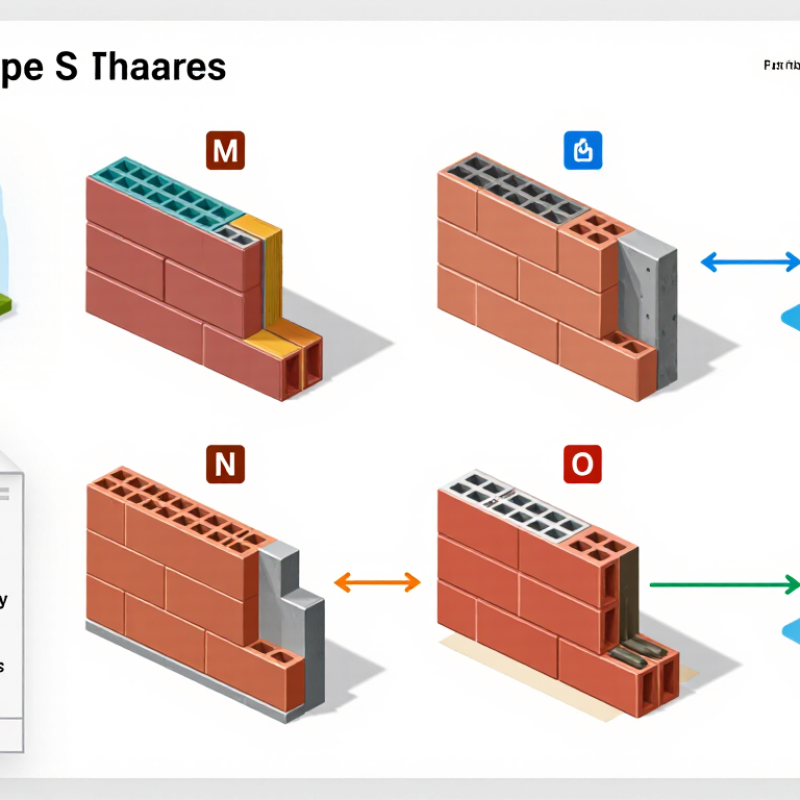
Choosing the right mortar mix is not a bag-label decision. It is a compatibility decision between the mortar, masonry units, exposure, and workmanship. The ASTM C270 standard classifies mortar as Types M, S, N, and O, with different strength and use characteristics. That classification is a starting point, not a substitute for project specifications or local guidance.

Scale matters, too. The U.S. Geological Survey’s 2025 Mineral Commodity Summaries estimated U.S. cement production at about 86 million metric tons in 2024. That figure covers cement, not mortar mix, but it shows the size of the material supply chain behind masonry work. For a more direct technical reference, ASTM C270 sets requirements for mortar proportions and properties. Masonry engineer David T. Biggs offers a useful field reminder: “Mortar is not glue.” The joint must support the masonry while accommodating movement and moisture. Small details matter.

This guide will compare common mortar types, explain how unit strength and absorption affect selection, and flag when a specification should take priority over a general rule. A mix that performs well with one brick may be too strong or too stiff for another. That is easy to overlook. Check the product data sheet, confirm the intended application, and ask a qualified masonry professional when the building’s age, exposure, or materials make the choice uncertain.

How to Choose the Right Mortar Mix in 2026

Understand Mortar Types and Their Uses

Mortar types differ in strength, flexibility, and where they perform best. ASTM C270-23 lists minimum laboratory compressive strengths of 2,500 psi for Type M, 1,800 psi for Type S, 750 psi for Type N, and 350 psi for Type O. These figures help compare mixes, but they do not guarantee the same strength on a damp, windy jobsite.

Type M suits foundations and other masonry exposed to heavy loads or soil pressure. Type S is commonly selected for exterior walls and reinforced masonry. For above-grade brickwork, Type N is a practical general-purpose option; the Brick Industry Association’s Technical Note 8B discusses its use in typical wall construction. Type O is weaker and more workable, making it more appropriate for some interior, non-load-bearing work. Check the project plans and local specifications before choosing.

The strongest mix is not automatically the safest choice. A very hard mortar can stress softer, older bricks; repairs may then damage the brick faces. I would match mortar strength to the masonry, not simply reach for the highest number. And check the joint. Water, temperature, and curing affect how mortar performs, so a small test area can reveal problems before the whole wall is laid.

Assess the Masonry, Site Conditions, and Exposure

The right mortar depends on the masonry it must support, not just the strength listed on a bag. Match its properties to the brick or stone, including porosity, hardness, and age. A mortar that is much harder than soft historic brick can concentrate stress and contribute to face damage. For older walls, assess existing mortar carefully before choosing a replacement. Color alone is not enough.

Site conditions change how mortar behaves. A hot, windy day can dry fresh joints too quickly, while cold weather can slow setting and increase freeze damage risk. Check the forecast, shade exposed work where practical, and follow the specified mixing and curing guidance. Keep water additions consistent; a mix that seems easier to spread may shrink or weaken if it is overly wet. Small details matter. A damp substrate, dirty joints, or sudden rain can alter the result.

Exposure matters just as much. Walls facing driving rain, repeated freezing, or ground salts need a mortar suited to those conditions and the masonry assembly. Consider drainage, flashing, and joint design, too; mortar cannot compensate for persistent water entry. A visual inspection is useful, but it can miss hidden moisture or incompatible earlier repairs. When the wall’s material or exposure is uncertain, compare project specifications with advice from a qualified masonry professional before repointing or rebuilding.

How to Choose the Right Mortar Mix in 2026 - Assess the Masonry, Site Conditions, and Exposure

Assessment factor Typical mortar choice Why it may fit Key checks before selection
Below-grade masonry or heavily loaded walls Type M or Type S These higher-strength mortar types are commonly specified where masonry faces substantial compressive loads or soil-related demands. Confirm structural design requirements, drainage, waterproofing, and local code provisions. Type M is not automatically the best choice for every below-grade application.
Load-bearing exterior walls or demanding structural work Type S Type S offers higher strength than Type N and is commonly used where greater bond and structural capacity are required. Follow the project drawings and engineer’s specification. Consider the masonry units, wall design, and applicable seismic or wind requirements.
General above-grade exterior walls Type N Type N is a commonly used general-purpose mortar for above-grade brick, concrete block, and other masonry applications. Check whether the wall is load-bearing and exposed to severe weather. Use the specified mortar and compatible units rather than choosing by strength alone.
Interior, non-load-bearing masonry Type O, where permitted Its lower strength can suit some interior applications where the masonry is not structurally demanding. Generally avoid Type O in exterior, below-grade, or load-bearing work unless the project specification specifically allows it.
Soft, older, or historic brick and stone A compatible lime-rich mortar; often a lower-strength mix such as Type O or a project-specific formulation A mortar that is softer than or compatible with the masonry can help reduce the risk of damaging fragile units during movement or weathering. Assess the original mortar and masonry before repointing. Historic work may require mortar analysis and specialist guidance; a standard modern mix may be unsuitable.
Freeze-thaw exposure while damp Use the mortar type specified for the wall; address air entrainment and materials as required by the specification Repeated freezing while masonry is wet can contribute to deterioration. Mortar selection is only one part of managing the exposure. Check drainage, flashing, overhangs, unit durability, and applicable requirements for air-entrained mortar. Do not add admixtures unless allowed by the specification.
Coastal, salt-exposed, or persistently wet locations Project-specified Type S or Type M may be appropriate, depending on design Higher-strength types are sometimes specified for demanding exposure, but strength alone does not ensure resistance to salts or moisture. Account for salt source, water entry, masonry-unit compatibility, detailing, and local exposure requirements. Obtain a project-specific specification for severe conditions.
Uncertain masonry type, load, or exposure Do not select by type alone; obtain a project specification Mortar performance depends on the masonry units, wall function, construction method, and site exposure. Consult the construction documents, building code, masonry designer, or qualified professional before ordering or mixing mortar.

Reference note: ASTM C270 classifies mortar as Types M, S, N, and O. Common minimum laboratory compressive-strength values under the property specification are 2,500 psi for Type M, 1,800 psi for Type S, 750 psi for Type N, and 350 psi for Type O. These values are not a substitute for project requirements or field performance guidance.

Match Mortar Strength and Compatibility to the Project

How to Choose the Right Mortar Mix in 2026

Match mortar strength to the masonry, not simply to the toughest option available. ASTM C270’s 28-day laboratory benchmarks are 2,500 psi for Type M, 1,800 for Type S, 750 for Type N, and 350 for Type O. These figures help compare mixes, but they do not guarantee performance in every wall. A strong mortar can transfer stress into softer brick, causing the brick face to crack or flake. The National Park Service’s Preservation Brief 2 advises matching mortar to historic masonry and avoiding mixes harder or less permeable than the units.

Check the brick or stone, the wall’s exposure, and the existing mortar before specifying a replacement. For example, a sheltered interior repair and a wind-driven, rain-exposed wall may need different mixes. Historic lime-rich masonry often needs a softer, more vapor-permeable mortar; a modern, load-bearing wall may require a different strength class. Don’t guess from color alone. A small test panel can reveal differences in texture, tooling, and drying behavior before the full repair begins. Even then, matching old mortar is rarely perfect.

Tips: Ask for the mix’s ASTM C270 type and confirm whether its stated strength is a laboratory value. Keep sample photos and note the weather and curing conditions. I’d still treat any single strength number with caution; compatibility is the part that’s easy to underestimate.

Compare Product Labels, Standards, and 2026 Requirements

A mortar bag can look straightforward, yet its label holds details that affect bond, durability, and workability. Check the mortar type, intended application, mixing-water range, and storage life before buying. Type N often suits general above-grade work, while Type S is commonly specified where higher bond or flexural strength is needed. These are starting points, not substitutes for project specifications.

Compare the label with the applicable standard and the project documents. ASTM C270 covers mortar for unit masonry; ASTM C1714 addresses preblended dry mortar. Check whether the specification calls for proportion or property requirements, since the distinction changes what must be verified. For 2026, confirm the edition adopted by the local authority and any project-specific requirements. There is no single rule that fits every location. A current product sheet can help, but it does not override the approved plans.

Look closely at stated uses, substrate compatibility, and restrictions for temperature or exposure. On a cool morning, water temperature and mixing time can affect consistency; measure water rather than guessing from the first batch. Small details matter. Record the product lot and mixing ratio, and keep bags dry and off the ground.

A clean label still cannot tell you everything about an old, absorbent brick wall. That uncertainty deserves a site check, not a confident guess.

Choose the Mix and Confirm Preparation Instructions

Choose mortar by the wall’s design, masonry-unit type, exposure, and specified performance—not by the highest strength number alone. ASTM C270 lists laboratory minimum compressive strengths of 750 psi for Type N, 1,800 psi for Type S, and 2,500 psi for Type M under its property specification. These figures are not guarantees of field strength. A stronger mortar can be less compatible with softer masonry, increasing the risk of damage. That matters. Check the project specification and, where needed, ask a qualified masonry professional to confirm the mortar type before ordering.

Preparation instructions are mix-specific, so use the product’s current technical sheet rather than estimating water by eye. Measure water, add it gradually, and mix for the stated time; a stiff-looking batch is not a reason to pour in extra water. Follow any stated resting or retempering instructions, since products differ. ASTM C780 describes methods for evaluating mortar before and during construction, but field results should not be confused with ASTM C270 laboratory property values. Check twice. Record the product, water quantity, mixing time, and site conditions; small notes can help explain why one batch handles differently from the next. A missed instruction is easy to dismiss, yet it can change workability and consistency.

Find the Right Repair Product for Your Project

Need to find the most appropriate product for the needs of your project? We can help because we have over 70 years of experience servicing the industry with every kind of project, from Do-it-yourself projects to large skyscrapers. Package Pavement has the experience, the knowledge and the products to help every project succeed.

Quikrete Repair Products
Legend
Package Pavement has two convenient locations in Stormville, NY (Dutchess County) and Ravena, NY (Greene County) to serve the Northeastern Region with bagged concrete, blacktop, mortar, and repair products. This map gives a general idea of where we service and the product lines we offer.
Package Pavement Products
Quikrete Products
Spec Mix Products
map

Our Brands Websites