Top Construction Materials Manufacturers in China

China’s construction materials sector serves a vast building market, but manufacturer comparisons need more than headline production figures. The National Bureau of Statistics of China reported that construction enterprises recorded an output value of RMB 31.59 trillion in 2023. Its 2023 Statistical Communiqué also reported cement production of about 2.02 billion tonnes. These figures show the scale of construction activity and a key material category. They do not measure the total value of China’s construction materials market. That distinction matters.

A useful guide to top construction materials manufacturers in China should compare product quality, production capacity, technical support, and delivery coverage. It should also distinguish established producers from suppliers whose capabilities are harder to verify. A high output figure alone cannot confirm consistent quality at a project site. A large plant is not the whole story. Buyers may need to examine test documentation, product specifications, application experience, and after-sales service. Environmental performance and energy use also deserve attention, especially for materials such as cement and glass. Public data can provide a reliable starting point, but company claims should be checked against current certifications and project records. This overview sets out the manufacturers and selection factors to consider, while recognizing that rankings vary by product type and buyer requirements. Industry data is useful, but it has limits.

Top Construction Materials Manufacturers in China

Overview of China’s Construction Materials Manufacturing Industry

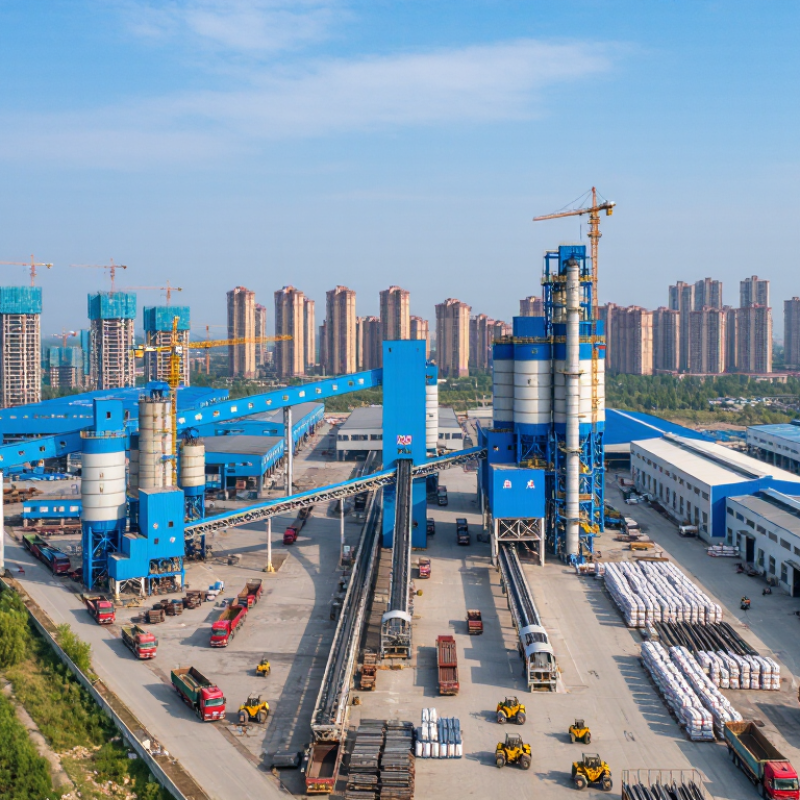
China’s construction materials manufacturing industry serves a vast and varied building market. Its products include cement, glass, ceramics, steel products, insulation, and engineered components. Production ranges from large continuous-process plants to smaller regional factories. This mix helps suppliers serve major infrastructure projects and local housing needs.

Manufacturing depends on reliable access to energy, minerals, transport, and skilled workers. A cement plant, for example, must manage kiln temperatures, fuel use, and product testing. Glass production requires steady heat and careful control of thickness and surface quality. Details matter. For buyers, clear specifications and batch records can make comparisons more useful than price alone.

The industry is also adapting to pressure to reduce emissions, improve energy efficiency, and reuse suitable by-products. Progress varies by material and facility, so broad claims deserve careful checking. Site visits, independent test reports, and consistent delivery records offer practical evidence of performance. Supply can still be uneven when demand shifts or freight routes become congested. That reality is easy to overlook in a polished product catalogue.

Key Product Categories and Their Applications

Top Construction Materials Manufacturers in China

Key Product Categories and Their Applications

Construction materials are selected for the job, not just the price. Cement and ready-mix concrete form foundations, floor slabs, and structural frames. Their mix design affects strength, setting time, and performance in damp conditions. On site, crews check delivery records and take samples because a small change in water content can weaken a pour.

Steel products, including reinforcing bars and structural sections, add tensile strength to buildings and bridges. Correct grades and dimensions matter; mismatched reinforcement can complicate installation and inspection. Glass serves windows and façades, while insulation boards help manage heat transfer and noise. For these products, details such as thickness, coating, and joint sealing can matter as much as the material itself.

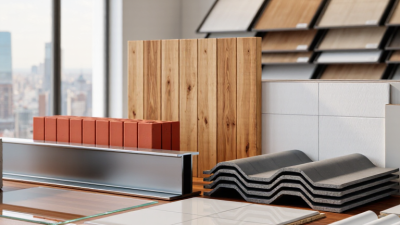
Ceramic tiles, stone, and engineered boards are common finishes for floors, walls, and interior fit-outs. Their suitability depends on traffic, moisture, and substrate preparation. A tile that performs well in a dry lobby may become slippery near an entrance in wet weather. Categories also overlap: façade systems combine frames, glass, sealants, and insulation. Specifications are not always followed perfectly on busy projects, so clear submittals and checks against relevant test reports remain essential.

Leading Construction Materials Manufacturers in China

Leading construction materials manufacturers in China serve residential, commercial, and infrastructure projects with products such as cement, steel, glass, insulation, and prefabricated panels. Their production capacity can be valuable for large orders, but supplier size alone says little about consistent quality. Compare product specifications with your drawings, climate conditions, and installation methods. A small mismatch in panel thickness or moisture resistance can cause costly delays later.

Review quality-control procedures, test reports, batch records, and packaging details before placing an order. Ask how the manufacturer checks dimensions and handles damaged goods during transport. When practical, inspect a factory or request samples for independent testing. Confirm that certificates match the actual product and the requirements of the project’s destination. A polished brochure is not proof. These checks reduce risk, though no checklist can guarantee a trouble-free shipment; that limitation deserves attention.

Tips: Request recent test records. Compare samples with the written specification. Clarify tolerances and replacement terms before production begins. Keep decisions documented.

Manufacturing Capabilities and Quality Standards

China’s construction-materials manufacturers serve projects ranging from apartment blocks to transport infrastructure. Their capabilities vary: some operate integrated production lines, while others specialize in products such as steel sections, cement, tiles, or insulation. Buyers should check whether a factory can meet the required volume, dimensions, and delivery schedule, not just whether it offers a broad catalog. A tour can reveal practical details, including raw-material storage, equipment maintenance, and how finished goods are protected from rain and dust.

Quality depends on repeatable checks at each production stage. For steel, review material certificates and test results for strength and dimensions. For tiles, request data on size variation, water absorption, and surface defects. Ask how samples are selected and whether test reports identify the specific production batch. Requirements differ by product and destination, so confirm that the stated standards match the project specifications. Clear records matter.

Look for traceability from incoming materials to packed goods. Batch labels, inspection logs, and retained samples make problems easier to investigate. No system is flawless. A polished certificate does not prove every pallet is consistent, and factory samples may not reflect later production. Independent inspections and checks against delivered goods can reduce that gap. Even then, site storage and installation can affect performance, so quality control should continue after delivery.

Top Construction Materials Manufacturers in China — Manufacturing Capabilities and Quality Standards

Material Category Typical Manufacturing Capabilities Common Quality Control Checks Relevant Chinese Standards
Portland Cement Raw-material preparation, clinker production, finish grinding, blending, and bulk or bagged packaging. Compressive strength, setting time, soundness, fineness, and chemical composition. GB 175-2023, Common Portland Cement
Hot-Rolled Reinforcing Steel Bars Steelmaking, continuous casting, hot rolling, rib formation, cutting, and bundling in specified grades and sizes. Tensile properties, bend or reverse-bend performance, dimensions, mass per metre, and surface condition. GB 1499.2-2024, Steel for the Reinforcement of Concrete — Part 2: Hot-Rolled Ribbed Bars
Flat Glass Float-glass production, cutting, edging, and downstream processing such as tempering, laminating, or insulating-glass assembly. Thickness and dimensional tolerances, optical quality, visible defects, and applicable safety-glazing performance. GB 11614-2022, Flat Glass; applicable safety-glazing standards depend on product type.
Ceramic Tiles Body preparation, pressing or forming, drying, glazing or surface finishing, firing, sorting, and packaging. Dimensions and surface appearance, water absorption, breaking strength, and resistance tests required for the product classification. GB/T 4100-2015, Ceramic Tiles
Ready-Mixed Concrete Automated batching and mixing, mix-design adjustment, truck-mixer dispatch, and production traceability. Fresh-concrete workability, delivery consistency, sampling records, and hardened-concrete strength testing. GB/T 14902-2012, Ready-Mixed Concrete; project requirements and other applicable standards also apply.
Aluminium Building Profiles Billet preparation, extrusion, heat treatment, surface finishing, cutting, and fabrication of architectural profiles. Dimensions and tolerances, mechanical properties, coating or anodizing characteristics, and surface quality. GB/T 5237 series, Wrought Aluminium Alloy Extruded Profiles for Architecture
Autoclaved Aerated Concrete (AAC) Blocks and Panels Raw-material batching, casting, cutting, autoclave curing, dimensional finishing, and product grading. Dimensions, dry density, compressive strength, moisture content, and appearance. GB/T 11968-2020, Autoclaved Aerated Concrete Blocks

Standards shown are examples for the listed product categories. Applicable editions, certification requirements, and acceptance criteria should be confirmed against the product specification, contract, and current regulations.

Factors to Consider When Choosing a Manufacturer

Choosing a construction-materials manufacturer in China starts with the project’s performance needs, not a catalogue’s broad claims. Ask for recent test reports covering strength, water absorption, dimensional tolerance, and batch consistency. Check whether samples match routine production, not just a polished showroom piece. Small differences matter. Request factory audit records, production capacity, quality-control procedures, and a clear contact for complaints. Verify certificates with the issuing body; a PDF alone proves little. Compare the manufacturer’s stated specifications with independent test results.

Delivery reliability and environmental data deserve equal attention. UNEP and GlobalABC’s 2023 Global Status Report for Buildings and Construction says the sector produced 37% of global energy- and process-related CO2 emissions in 2022. That makes embodied-carbon data relevant, especially for cement, steel, and glass. Ask for product-specific environmental declarations, recycled-content evidence, and energy data instead of vague “green” claims. The IEA estimates cement production causes about 7% of global CO2 emissions, so clinker content and kiln efficiency are useful questions. Compare delivered cost, lead time, packaging, and breakage risk. A low quote can be misleading. No checklist removes uncertainty; a small trial order may still reveal inconsistent batches or delayed dispatch.

China Cement Production (2019–2023)

Annual production in billion tonnes

Production volume provides market context when assessing a construction-materials manufacturer. Also verify product quality, relevant certifications, production capacity, delivery performance, and technical support for your project.

Source: National Bureau of Statistics of China; values are rounded.

Find the Right Repair Product for Your Project

Need to find the most appropriate product for the needs of your project? We can help because we have over 70 years of experience servicing the industry with every kind of project, from Do-it-yourself projects to large skyscrapers. Package Pavement has the experience, the knowledge and the products to help every project succeed.

Quikrete Repair Products
Legend
Package Pavement has two convenient locations in Stormville, NY (Dutchess County) and Ravena, NY (Greene County) to serve the Northeastern Region with bagged concrete, blacktop, mortar, and repair products. This map gives a general idea of where we service and the product lines we offer.
Package Pavement Products
Quikrete Products
Spec Mix Products
map

Our Brands Websites