| 1 |
85–100
Excellent / good |
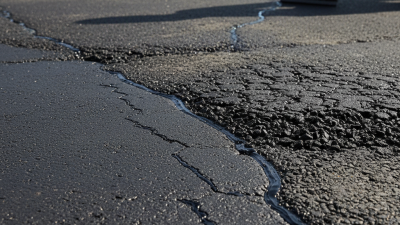
Early, limited cracking, weathering, or minor surface deterioration. |
Consider preventive preservation while the pavement is still in sound condition. Crack sealing or a suitable surface treatment may help limit water entry when the distress pattern and pavement type are appropriate. |
Request a documented distress survey and confirm the proposed treatment is compatible with the surface, climate, traffic, and local specifications. |
| 2 |
70–84
Satisfactory |
Localized cracks, isolated raveling, or small areas of surface wear. |
Address the cause and extent of localized distress before selecting a preservation treatment. Seal eligible cracks and repair isolated defects using materials specified for the pavement and site conditions. |
Check that crack preparation, repair limits, material requirements, and weather restrictions are stated in the work scope. |
| 3 |
55–69
Fair |
More frequent cracking, raveling, or localized deformation. |
Map distress by location and severity. Localized patching or a surface treatment may be appropriate where the underlying pavement remains sound; investigate recurring or deformed areas before covering them. |
Compare the proposed quantities with measured distress areas and ask how recurring defects or weak areas will be investigated. |
| 4 |
40–54
Poor |
Widespread cracking, potholes, or rutting in affected areas. |
Use targeted repairs for failed sections and assess whether milling and resurfacing or a more extensive rehabilitation is warranted. Surface overlays should not be used to conceal unresolved structural or drainage problems. |
Request the basis for the selected treatment, including any structural assessment, drainage review, and repair-depth assumptions. |
| 5 |
25–39
Very poor |
Extensive interconnected cracking, repeated patch failures, or substantial surface deformation. |
Evaluate rehabilitation options, including full-depth repairs where failure extends through the pavement layers. Select overlay or replacement work only after the condition of the existing structure has been assessed. |
Require clear limits for full-depth repairs, layer materials, compaction requirements, and how the repaired areas will tie into existing pavement. |
| 6 |
0–24
Serious to failed |
Severe disintegration, extensive potholes, or widespread structural distress. |
Assess whether reconstruction or major rehabilitation is more suitable than repeated patching. Confirm the design addresses traffic loading, subgrade conditions, drainage, and the intended service life. |
Ask for a documented design rationale and locally applicable construction and acceptance criteria before comparing bids. |
| 7 |
Any PCI |
Alligator cracking, which commonly appears as interconnected cracks in wheel paths. |
Record the location, severity, and extent. Because this pattern can indicate fatigue-related distress, investigate the pavement structure before relying on surface sealing or an overlay alone. |
Check that the survey distinguishes isolated cracking from interconnected areas and that the repair proposal addresses the underlying cause where necessary. |
| 8 |
Any PCI |
Potholes, standing water, edge deterioration, or other signs of water-related damage. |
Repair failed pavement using suitable patching methods and investigate water entry, drainage paths, and edge support. A durable repair may require correcting the water source as well as replacing damaged material. |
Verify that drainage work, patch boundaries, repair depth, and protection from water during construction are included where relevant. |
| 9 |
Any PCI |
Distress sampling and survey quality. |
Use a qualified survey process that records distress type, severity, and quantity for the required sample units. ASTM D6433 provides the PCI survey and calculation framework; use the applicable edition and project sampling requirements. |
Request dated field records, sample-unit locations, distress measurements, calculation outputs, and the standard edition used. |
| 10 |
Any PCI |
Repair quality, materials, and post-work condition. |
Set measurable acceptance requirements for materials, surface preparation, placement, compaction where applicable, joints, and finished condition. Plan follow-up inspections to check whether distress returns. |
Compare suppliers and bids using the same technical scope, test methods, quantity basis, warranty terms, and local regulatory requirements. |