7 Best Concrete Restoration Methods for Global Buyers?

Concrete restoration is becoming a practical priority for global buyers, not merely a maintenance choice. The Global Cement and Concrete Association reports that the world uses approximately 14 billion cubic metres of concrete each year. The sector also contributes roughly 7% of global carbon dioxide emissions. Extending existing structures can reduce demolition waste and preserve embedded carbon. Yet, restoration decisions still require careful investigation.

ACI 562-19 and ICRI guidance emphasize assessment before selecting a repair system. Engineers must examine cracks, corrosion, moisture movement, substrate strength, and chloride exposure. Common methods include crack injection, patch repair, concrete resurfacing, cathodic protection, carbon-fibre reinforcement, protective coatings, and full-depth replacement. Each method suits different damage patterns. A cheap surface patch may fail within one winter. It may look perfect at handover.

Peter H. Emmons, a recognised concrete repair specialist, wrote, “The best repair is the one that is not needed.” His point remains uncomfortable but useful. Preventive inspection often costs less than emergency reconstruction. Reports from the GCCA and repair guidance from ACI show why lifecycle performance matters more than initial price. However, published market forecasts vary widely between regions and suppliers. Buyers should question unsupported service-life claims. They should request test results, project references, compatibility data, and maintenance assumptions. This guide examines seven concrete restoration methods for global buyers, with attention to durability, climate, installation skill, and total lifecycle cost. There is no universal winner. A method that succeeds on a dry warehouse floor may fail on a coastal bridge. Good restoration starts with evidence, not attractive product photos.

7 Best Concrete Restoration Methods for Global Buyers?

Understanding Concrete Damage and Restoration Requirements

7 Best Concrete Restoration Methods for Global Buyers?

Understanding Concrete Damage and Restoration Requirements

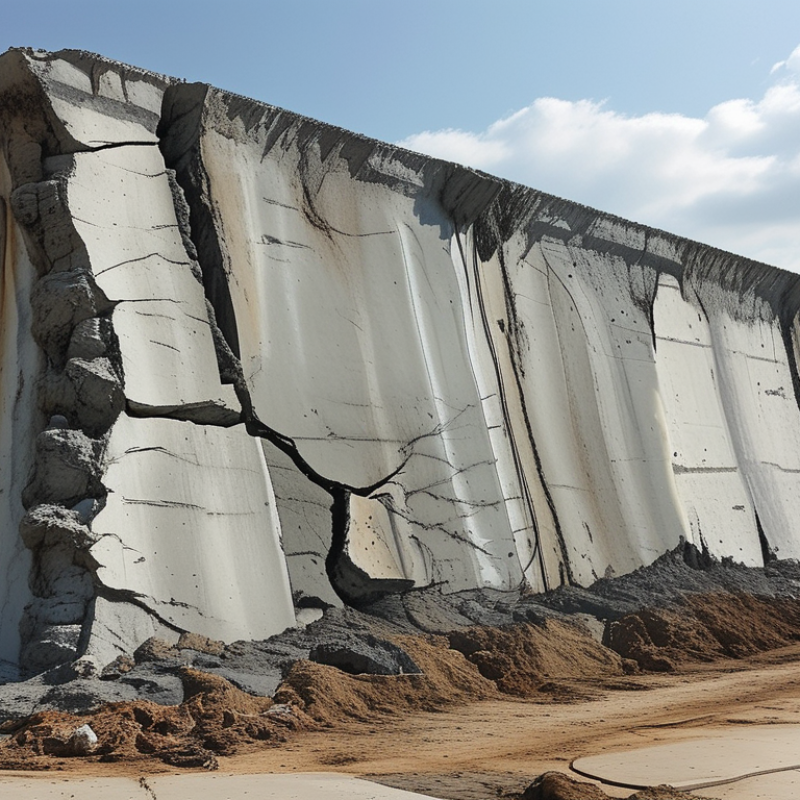
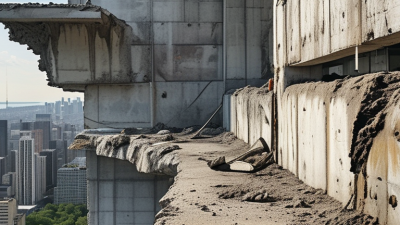
Concrete restoration starts with diagnosis, not product selection. Cracks may come from shrinkage, settlement, corrosion, or repeated freezing. Spalled surfaces often reveal rusting steel beneath the concrete. Moisture readings, crack width, cover depth, and site history should guide the repair plan. A visual inspection alone can mislead.

Common methods include crack injection, patch repair, resurfacing, corrosion control, joint renewal, protective coatings, and partial replacement. Each method suits a different failure pattern. Injection can seal narrow structural cracks, while polymer-modified repair mortar can rebuild broken edges. Deep damage may require removing loose concrete and treating exposed reinforcement. In coastal areas, chloride exposure needs special attention. In cold regions, freeze-thaw resistance matters more.

Tips: Ask for test reports, preparation instructions, curing limits, and service-temperature data. Confirm local climate conditions before approving a method. Poor surface cleaning can shorten repair life. I have seen attractive repairs fail because moisture was ignored. That lesson is uncomfortable, but useful. Restoration specifications should also state application thickness, curing time, inspection points, and worker safety requirements. The lowest initial cost may not deliver the lowest lifecycle cost. A small trial area can expose adhesion problems before full installation.

7 Best Concrete Restoration Methods for Global Buyers

Typical post-restoration service-life planning ranges

These indicative ranges reflect common engineering practice when the repair method, substrate preparation, moisture control, curing, and environmental exposure are properly managed. Actual performance depends on concrete condition, reinforcement corrosion, traffic, freeze–thaw cycles, chloride exposure, and maintenance quality.

Assessing Site Conditions, Structural Risks, and Restoration Goals

7 Best Concrete Restoration Methods for Global Buyers?

Assessing Site Conditions, Structural Risks, and Restoration Goals

Concrete restoration should begin with evidence, not product selection. Inspectors examine cracks, spalling, exposed reinforcement, drainage, and previous repairs. Moisture meters can reveal damp zones behind apparently sound surfaces. Core samples may confirm strength, carbonation depth, and chloride penetration. A visual survey helps, but it can mislead.

Field teams commonly consider seven methods: surface cleaning, crack injection, patch repair, protective coatings, concrete overlays, structural jacketing, and partial replacement. Each method suits different damage patterns. Narrow, stable cracks may need injection. Delaminated areas require removal before patching. Corroded reinforcement may need cleaning, section replacement, and corrosion control. Deep structural weakness can demand jacketing or replacement.

Risk assessment must include load demands, seismic exposure, freeze-thaw cycles, salt, temperature changes, and local construction practices. A qualified structural engineer should verify whether damage is cosmetic or load-related. Buyers should request test records, repair specifications, worker qualifications, and maintenance plans. Local codes also matter because acceptable materials and inspection procedures vary between countries.

Restoration goals need clear ranking. Is the priority safety, longer service life, appearance, reduced downtime, or budget control? These goals can conflict. A fast overlay may hide symptoms without solving water entry. That is an uncomfortable possibility. Experienced teams should document uncertainties, revisit failed assumptions, and allow for hidden damage discovered during removal. Small test areas can expose adhesion problems before the full repair begins.

Comparing Seven Concrete Restoration Methods for Different Applications

Concrete restoration decisions should match the damage, exposure, and required service life. Epoxy injection suits narrow, dry structural cracks because it reconnects separated concrete. Polyurethane injection works better for leaking cracks, especially in basements and tanks. It remains flexible, but it may not restore structural strength.

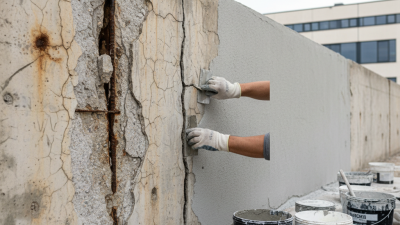
Polymer-modified patch mortar is practical for small spalls around exposed reinforcement. Surface preparation must remove weak concrete and rust. Resurfacing compounds improve worn floors, ramps, and walkways with shallow damage. They are economical, but poor moisture control can cause debonding. Bonded concrete overlays suit larger slabs and bridge decks. Their performance depends on roughness, curing, and joint alignment.

Shotcrete repairs deep, irregular sections on tunnels, retaining walls, and vertical surfaces. Skilled nozzle control matters. Otherwise, voids may remain behind reinforcement. Cathodic protection helps reinforced concrete exposed to chlorides, such as parking structures and marine facilities. It controls corrosion rather than simply hiding the damage. Site testing should include crack width, chloride levels, carbonation depth, moisture, and pull-off strength. Local construction standards also affect material selection and installation details. A cheaper method can become expensive when access, climate, or curing time is ignored. No method is perfect. Even experienced teams sometimes underestimate hidden corrosion beneath apparently stable concrete. Global buyers should request documented test results, worker qualifications, repair procedures, and realistic maintenance intervals before approving a system.

7 Best Concrete Restoration Methods for Global Buyers — Comparing Seven Concrete Restoration Methods for Different Applications
Restoration Method Best Applications Typical Repair Range Typical Initial Set or Cure Expected Service Life* Relative Cost Main Advantages Key Limitations
Epoxy Crack Injection Structural cracks in dry, dormant concrete; beams, slabs, walls, and foundations where restoring continuity is required. Commonly suitable for cracks approximately 0.05–5 mm wide, depending on the injection system and substrate condition. Initial set commonly occurs within several hours; full mechanical properties may require approximately 24–72 hours. Approximately 10–25 years when the crack remains stable and the substrate is properly prepared. Medium High bond strength; can restore structural continuity; low-viscosity grades can penetrate fine cracks. Not suitable for actively moving cracks, wet cracks, or locations with continuing water pressure unless a compatible system is specified.
Polyurethane Crack Injection Water-leaking cracks in basements, tunnels, tanks, underground structures, and other damp or wet concrete areas. Often used for cracks approximately 0.1–5 mm wide; expanding grades can fill irregular voids and leak paths. Reaction may begin in seconds to minutes; final curing commonly takes several hours, depending on moisture and product formulation. Approximately 5–15 years, with performance strongly influenced by movement, water chemistry, and exposure conditions. Medium Works in damp conditions; flexible; useful for stopping active water ingress and accommodating limited movement. Generally does not provide the same structural bond as epoxy; excessive movement or ultraviolet exposure may reduce durability.
Polymer-Modified Concrete or Mortar Patching Spalled concrete, delaminated cover concrete, damaged edges, honeycombing, and localized repairs on slabs, beams, columns, and walls. Typical hand-applied repairs range from approximately 5–50 mm; deeper repairs may require layered placement or a formed repair system. Rapid-setting products may permit traffic or service in approximately 2–24 hours; conventional formulations commonly require longer curing. Approximately 10–25 years when corrosion sources are treated and curing is properly controlled. Low–Medium Versatile; compatible with many concrete surfaces; available in vertical, overhead, shrinkage-compensated, and rapid-setting grades. Requires thorough removal of unsound concrete and proper curing; patch boundaries can become new weak points if preparation is inadequate.
Concrete Overlay or Resurfacing Widespread surface wear, abrasion, scaling, minor surface cracking, uneven floors, parking decks, pavements, and industrial slabs. Thin overlays are commonly about 3–15 mm; bonded repair overlays may be approximately 15–50 mm, depending on design and loading. Pedestrian access may be possible in several hours for rapid systems; vehicle or heavy service commonly requires 24–72 hours or more. Approximately 7–20 years, depending on traffic, freeze–thaw exposure, drainage, and substrate condition. Low–Medium Covers large areas efficiently; improves appearance, skid resistance, levelness, and surface protection. Does not correct deep structural deterioration; requires a sound, clean substrate and careful control of bond, moisture, and joints.
Shotcrete or Sprayed Concrete Large-area repairs, retaining walls, tunnels, slope stabilization, bridge components, marine structures, and overhead or vertical sections. Single-pass thickness is commonly about 25–75 mm; greater thickness can be built up in multiple passes with reinforcement when designed properly. Final strength development commonly follows a 28-day design reference; accelerated mixes can achieve earlier reopening when specified. Approximately 15–30 years or more when reinforcement, drainage, curing, and surface preparation are properly addressed. Medium–High Efficient for large or difficult-to-access surfaces; strong adhesion and reduced formwork requirements; suitable for overhead placement. Requires skilled nozzle operation and specialized equipment; rebound, dust, overspray, and thickness control must be managed.
Fiber-Reinforced Polymer Strengthening Strengthening beams, slabs, columns, walls, and bridge components where additional flexural, shear, or confinement capacity is needed without major section enlargement. Usually installed as bonded sheets, plates, or fabric systems; concrete removal is generally limited to surface preparation and repair of weak areas. Many resin systems require approximately 24–72 hours before full service, depending on temperature, humidity, and curing conditions. Approximately 15–30 years or more when protected from moisture, fire, impact, and ultraviolet exposure as required by the design. High High strength-to-weight ratio; lightweight; fast installation; adds little dead load and usually preserves available space. Requires precise design and surface preparation; bond failure, elevated temperature, fire, and impact require specific protective measures.
Electrochemical Corrosion Control Reinforced concrete affected by chloride-induced corrosion, especially bridge decks, marine structures, parking garages, and large areas where conventional patching may be insufficient. Applied over broad reinforced-concrete areas; localized repairs are normally completed before or alongside the electrochemical treatment. System operation commonly continues for weeks to months; permanent protection or monitoring requirements depend on the selected system. Approximately 10–30 years of corrosion-risk reduction, depending on chloride levels, reinforcement condition, moisture, and monitoring quality. High Can reduce corrosion activity over large areas; may preserve more original concrete and reduce repeated patch-repair cycles. Requires electrical design, monitoring, specialized installation, and periodic verification; it does not replace removal of loose or structurally unsound concrete.
*Service-life figures are indicative planning ranges, not guarantees. Actual performance depends on structural movement, exposure, water and chloride conditions, substrate preparation, installation quality, curing, design, inspection, and maintenance. Final method selection should be based on a condition assessment and applicable local standards.

Selecting Materials, Equipment, and Qualified Restoration Contractors

Global buyers should treat concrete restoration as an engineering decision, not a product purchase. Seven common methods include crack injection, patch repair, overlays, shotcrete, corrosion control, cathodic protection, and joint replacement. Each method needs different materials, equipment, and skills. ACI 562-19 requires condition assessment, repair design, and quality control for existing concrete structures. That matters when drawings are incomplete. They often are.

Material selection should match exposure conditions, structural loads, and repair depth. Use compatible cementitious mortars for deep patches, flexible sealants for moving joints, and tested resins for dormant cracks. ASTM C881 supports epoxy bonding systems, while EN 1504 provides repair principles for concrete structures.

Equipment should include moisture meters, pull-off testers, crack gauges, surface grinders, dust extraction, and controlled curing systems. The UNEP 2023 Global Status Report links buildings and construction with 37% of global energy-related and process emissions. Durable repairs can reduce repeated demolition and material waste, although low-carbon claims still require verification.

Contractor qualification deserves equal attention. Request recent project records, method statements, technician training, insurance, and independent test results. ICRI surface-preparation guidance emphasizes achieving the correct concrete profile before repair placement. ASCE’s 2021 Infrastructure Report Card identified over 46,000 deficient US bridges, showing the scale of aging infrastructure. A contractor who cannot explain failure causes should not control the repair.

One uncomfortable lesson remains: the cheapest material may become the most expensive decision.

Managing Installation, Quality Control, Safety, and Long-Term Maintenance

7 Best Concrete Restoration Methods for Global Buyers

Managing Installation, Quality Control, Safety, and Long-Term Maintenance

For global buyers, concrete restoration is not only a material decision. It is a controlled site process. The seven common methods include surface patching, crack injection, concrete overlays, shotcrete, slab lifting, fiber reinforcement, and electrochemical protection. Each method requires a repair diagnosis before purchase. A visual inspection can miss chloride damage beneath sound concrete. The NACE IMPACT study estimated global corrosion costs at about 3.4% of worldwide GDP, showing why early assessment matters.

Installation quality depends on moisture, surface preparation, mixing accuracy, and curing temperature. Buyers should request batch records, test certificates, and a clear inspection plan. Pull-off tests can verify bond strength after curing. The ACI 562 repair standard also supports documented assessment, design, execution, and maintenance.

Small details matter. Dust left inside a crack can weaken injection results. Excess water can reduce strength.

Safety controls must cover silica dust, lifting equipment, confined areas, and chemical handling. Workers need suitable respiratory protection and practical training. The International Labour Organization reports that occupational hazards remain a major global health burden.

Maintenance should include scheduled inspections, crack mapping, drainage checks, and moisture monitoring. A repair that looks perfect today may still fail later.

That assumption deserves challenge. Local climate, salt exposure, workmanship, and overlooked movement can change the outcome. Reliable buyers should allow independent verification, even when project schedules feel tight.

Find the Right Repair Product for Your Project

Need to find the most appropriate product for the needs of your project? We can help because we have over 70 years of experience servicing the industry with every kind of project, from Do-it-yourself projects to large skyscrapers. Package Pavement has the experience, the knowledge and the products to help every project succeed.

Quikrete Repair Products
Legend
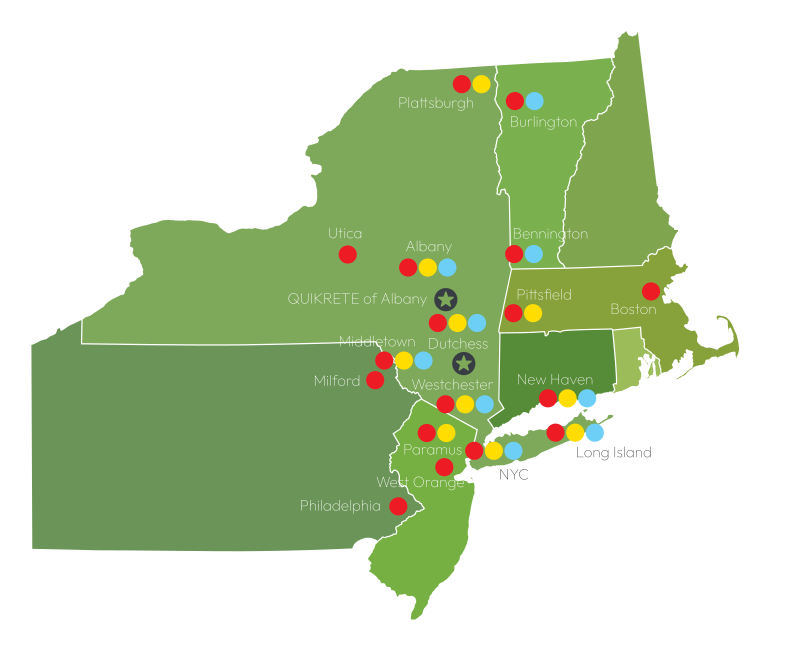
Package Pavement has two convenient locations in Stormville, NY (Dutchess County) and Ravena, NY (Greene County) to serve the Northeastern Region with bagged concrete, blacktop, mortar, and repair products. This map gives a general idea of where we service and the product lines we offer.
Package Pavement Products
Quikrete Products
Spec Mix Products
map

Our Brands Websites