
How to Choose the Best Concrete Restoration Products?

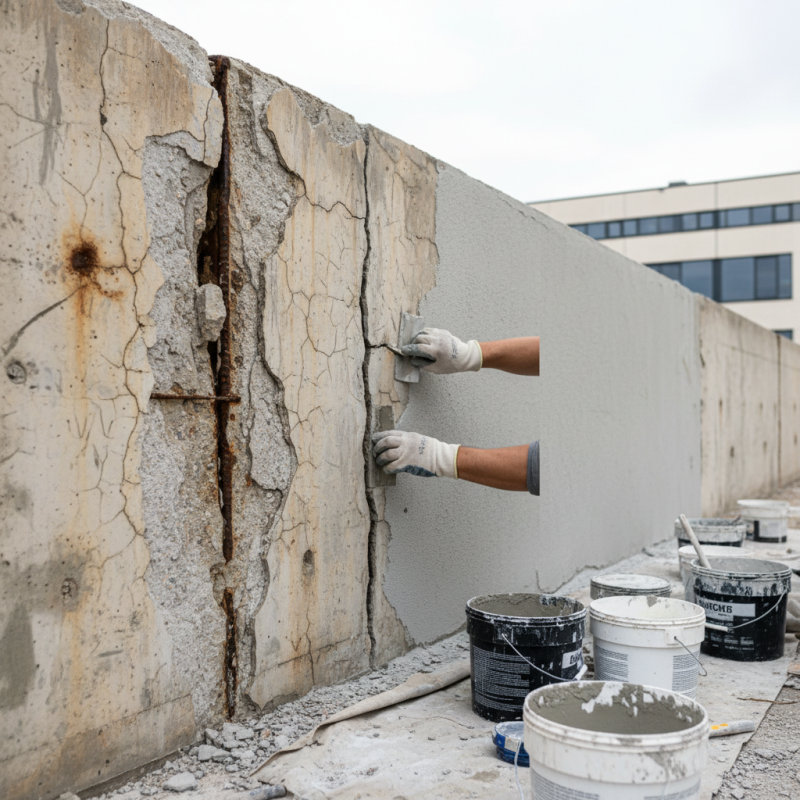
Concrete restoration is a crucial process for maintaining the integrity and aesthetics of structures. As buildings age, their surfaces often face issues like cracks, spalling, or discoloration. Choosing the right concrete restoration products can make a significant difference in both appearance and durability. With numerous brands and formulations available, making an informed decision can feel overwhelming.

The ideal products should offer excellent adhesion, durability, and resistance to environmental factors. Some options may claim to be the best, but their actual performance can vary. It's essential to consider factors like the specific type of damage and the intended use of the restored concrete surface. Not all products are suitable for every situation; what works for one project may fail in another.

While personal experiences can guide choices, relying on expert advice is invaluable. Inconsistencies in product quality exist. Researching reliable sources and reading reviews can lead to better outcomes. Moreover, reflect on your project’s unique challenges. Assess the long-term implications of your chosen materials. Balancing cost and quality is an ongoing consideration in concrete restoration.

How to Choose the Best Concrete Restoration Products?

Understanding the Types of Concrete Restoration Products Available

When it comes to concrete restoration, understanding the types of products available is crucial. There are several categories to consider, each serving a different purpose. For example, repair mortars are excellent for patching cracks. They provide strength and durability. There are also overlays that can enhance surface aesthetics. They not only fix but also beautify.

Tips: Test a small area first. This helps gauge how the product reacts with your existing concrete. Not all products suit every environment. Factors like moisture and temperature matter. It’s essential to read reactivity notes before application.

Additionally, sealers can protect your concrete from future damage. They come in both penetrating and topical forms. Choosing the right sealer has long-term benefits. However, improper application can lead to peeling or bubbling. Reflect on the environmental conditions. What works well in one place might fail in another.

How to Choose the Best Concrete Restoration Products?

Product Type Description Common Uses Application Method
Concrete Sealers Protective coatings that prevent water intrusion and staining. Driveways, patios, and countertops. Spray or roll on as a thin layer after cleaning.
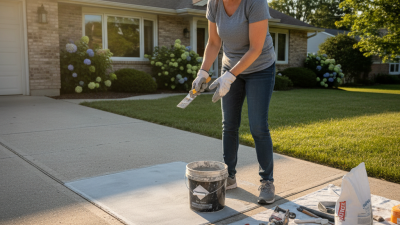
Concrete Repair Mortars Cement-based mixtures used for filling cracks and holes. Repairing sidewalks and floor surfaces. Trowel application to damaged areas.
Concrete Overlays Thin layers applied over existing concrete for a fresh look. Resurfacing patios, driveways, and indoor floors. Pour the mixture and spread evenly across the surface.
Concrete Dyes and Stains Coloring agents for enhancing the appearance of concrete. Decorative concrete finishes and artistic designs. Apply using a sprayer or mop for uniform coverage.

Evaluating Durability and Performance of Restoration Materials

How to Choose the Best Concrete Restoration Products?

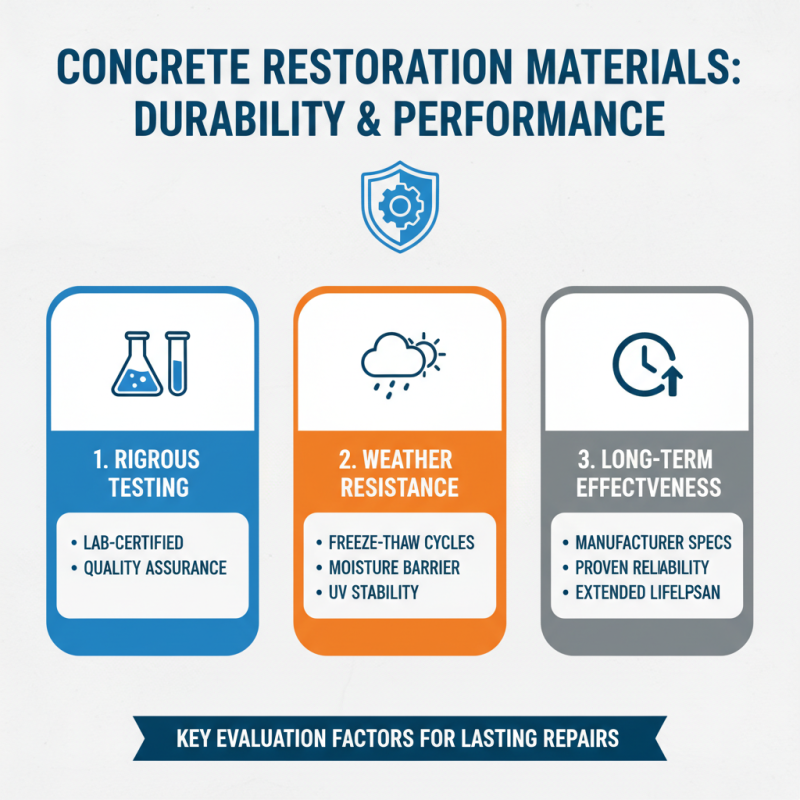
When evaluating the durability and performance of concrete restoration materials, several critical factors come into play. Look for products that have undergone rigorous testing. Materials should exhibit resistance to harsh weather conditions. This will significantly influence their long-term effectiveness. A reliable restoration product must withstand freeze-thaw cycles and moisture penetration. Examine the manufacturer's specifications to ensure these qualities are met.

Tips: Assess the lifespan of the materials. Seek those with proven longevity in similar applications. Consider how well they bond with existing concrete. A strong bond is crucial for effective restoration. Also, keep an eye on how easy the application process is. A user-friendly product can save time and effort.

Not every product marketed as a restoration solution will perform as expected. Some may fail to deliver the promised durability. It is essential to gather user reviews and case studies where possible. Documentations and certifications from independent labs can be quite helpful. Ultimately, the right choice hinges on informed decisions based on reliable data.

Assessing Compatibility with Existing Concrete Structures

When choosing concrete restoration products, compatibility with existing structures is crucial. A study by the American Concrete Institute reveals that many restoration failures stem from poor material compatibility. The interaction between new and old concrete can lead to issues like cracking and delamination. Therefore, assessing the existing concrete’s properties before selecting products is essential.

In practice, testing the existing concrete's compressive strength and porosity can yield valuable insights. If the new material's adhesion is inadequate, it may not bond properly, leading to further deterioration. Potential temperature variations and environmental conditions should also be considered during the selection process.

Tips: Always conduct a bond test first. This simple step can identify potential adhesion issues early on. Consider environmental factors, such as humidity and temperature, when applying restoration products. Their performance can vary significantly under different conditions. Make sure to keep records of previous repairs, as they can provide a reference point for compatibility assessments. Your choices should reflect an understanding of both the materials and the unique characteristics of the existing concrete.

Considering Environmental Impact and Safety of Products

When selecting concrete restoration products, safety and environmental impact are crucial. It's essential to understand the ingredients in these products. Some materials may release harmful chemicals during application or after curing. Always check if products comply with local safety regulations. Reading the safety data sheets can help determine if the product is safe to use.

Consider the environmental footprint of your choices. Look for eco-friendly alternatives that use sustainable materials. These products may have lower volatile organic compounds (VOCs) and reduced environmental impact. However, not all eco-friendly options perform equally well. It is vital to balance safety and functionality.

Reflection is important in this process. Engage with professionals who have experience with similar projects. Their insights can provide valuable guidance. Testing a small quantity before full application allows for assessment without significant risk. Such considerations ensure that your choices not only preserve concrete but also protect our environment and health.

Budgeting and Cost Factors in Concrete Restoration Choices

When selecting concrete restoration products, budgeting is a critical component. Understanding the cost factors can shape the project outcomes. A recent industry report reveals that nearly 40% of property owners exceed their initial budget due to unanticipated restoration costs. This underscores the importance of thorough planning and realistic budgeting.

Concrete restoration involves various components, from materials to labor costs. Material prices can fluctuate significantly, influenced by market demand and availability. For instance, the price of cement has increased by over 15% in the past two years, according to a construction materials index. Labor is another factor; skilled workers in restoration commands premium wages due to their expertise. Investing in proper training or hiring certified professionals ensures higher quality but may strain initial budgets.

Project size and complexity also affect costs. Smaller jobs may seem straightforward but can introduce hidden costs—like the need for specialized tools or permits. In more extensive projects, planning for contingencies is vital. Allocating an additional 10-15% for unexpected expenses can mitigate financial stress. Balancing quality materials and skilled labor within a budget often requires reflection on priorities and potential compromises.

Cost Analysis of Concrete Restoration Products

Find the Right Repair Product for Your Project

Need to find the most appropriate product for the needs of your project? We can help because we have over 70 years of experience servicing the industry with every kind of project, from Do-it-yourself projects to large skyscrapers. Package Pavement has the experience, the knowledge and the products to help every project succeed.
Quikrete Repair Products
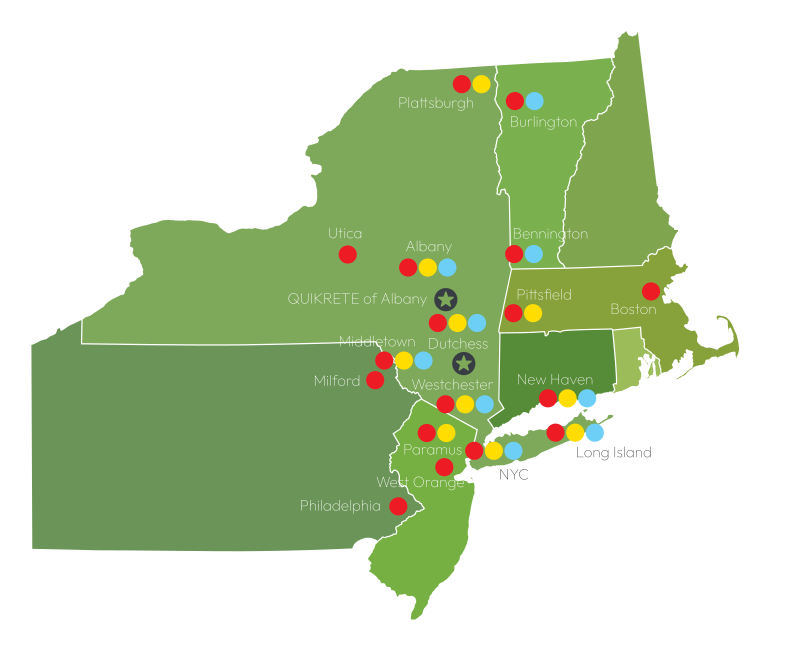
Legend
Package Pavement has two convenient locations in Stormville, NY (Dutchess County) and Ravena, NY (Greene County) to serve the Northeastern Region with bagged concrete, blacktop, mortar, and repair products. This map gives a general idea of where we service and the product lines we offer.
Package Pavement Products
Quikrete Products
Spec Mix Products
map

Our Brands Websites