
What are the Benefits of Using Colored Cement for Your Projects?

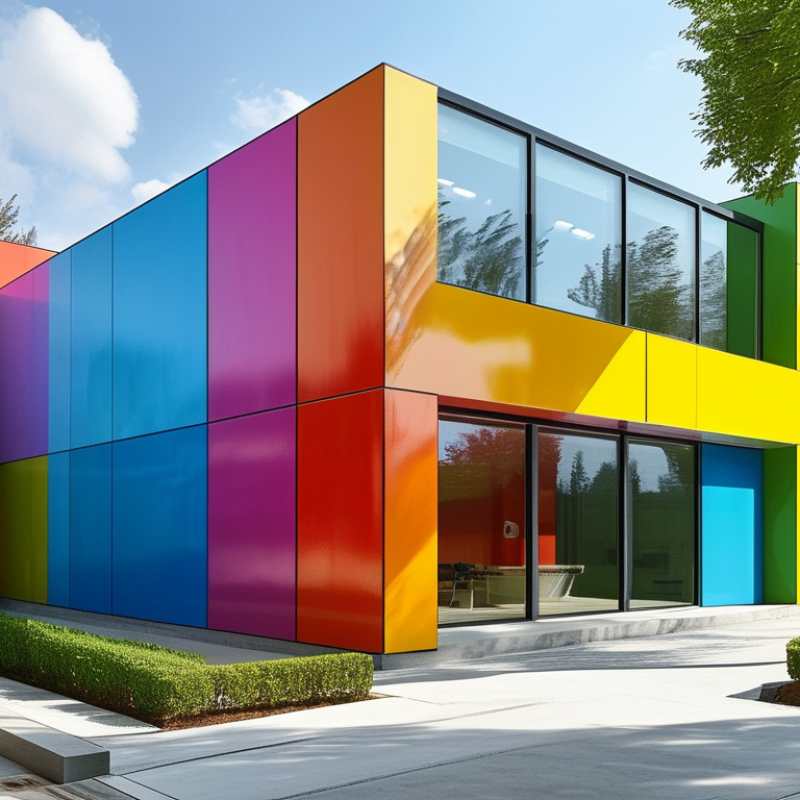
In the world of construction, "colored cement" has gained significant attention for its versatility and aesthetic appeal. Experts recognize its transformative potential. John Smith, a renowned architect, once stated, "Colored cement allows for creative expression without compromising structural integrity." This reflects a growing shift in how professionals view construction materials.

Colored cement is not just about appearance; it also adds unique properties to concrete. For example, it can enhance durability and help resist staining. These benefits can lead to longer-lasting projects. However, using colored cement requires careful planning. Accurate mixing and application techniques are vital to achieving desired results. Any mistake can lead to uneven coloring or unexpected outcomes.

Despite its advantages, the use of colored cement does come with challenges. It may require additional maintenance, depending on the environment. Professionals must weigh these factors against the aesthetic benefits. The conversation around colored cement continues to evolve as architects and builders explore new ways to use this material effectively.

What are the Benefits of Using Colored Cement for Your Projects?

Benefits of Colored Cement in Construction Projects

Colored cement is increasingly popular in construction projects for various reasons. One significant advantage is its aesthetic appeal. Many architects and designers prefer it for its ability to create vibrant and unique finishes. According to a report published by the American Concrete Institute, using colored concrete can enhance the visual impact of a structure by up to 60%. This adds value and can increase a property's marketability.

Another benefit lies in its durability. Colored cement provides excellent resistance to fading and weathering. It can withstand harsh environments better than traditional cement. Data shows that incorporating pigments can improve the longevity of concrete surfaces by approximately 25%. This resilience reduces long-term maintenance costs, which is crucial for project budgeting.

Tips: When choosing colored cement, consider the finish method. Different treatments can alter the final appearance, so experimentation may be necessary. Always test samples in real conditions to see how they react to elements like sunlight and moisture. Additionally, consult with experts to ensure proper mixing ratios for desired colors, as imprecision can lead to disappointing results.

Enhanced Aesthetic Appeal of Colored Cement Applications

The use of colored cement can significantly enhance the aesthetic appeal of various projects. It allows designers to implement unique color schemes that cater to specific styles and environments. According to a report from the Portland Cement Association, approximately 20% of construction projects now utilize colored cement, reflecting a growing trend in architectural design.

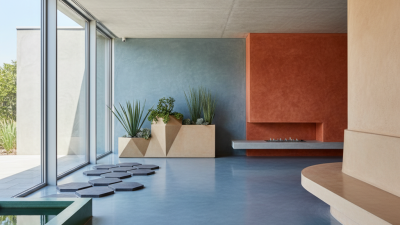
Colored cement provides a vibrant finish that standard grey cement simply cannot match. It can mimic natural materials like stone or wood, providing both beauty and durability. In landscaped areas, colored cement enhances the charm of pathways and patios, contributing to the overall atmosphere. Research indicates that attractive designs can increase property value by as much as 15%.

However, not all applications achieve the desired impact. Factors like fading and discoloration over time pose challenges. Some users overlook quality control measures during mixing, risking inconsistent coloring. A noticeable variation in appearance can detract from an intended design. A thoughtful approach to selection and application is essential to truly benefit from colored cement's aesthetic potential.

Benefits of Using Colored Cement for Your Projects

Durability and Longevity of Colored Cement Surfaces

Colored cement is becoming increasingly popular for various construction projects. Its benefits extend beyond aesthetics to include significant durability and longevity. When applied correctly, colored cement can enhance the surface of any project, making it not only visually appealing but also exceptionally resilient.

Durability is one of the standout features of colored cement surfaces. When mixed with quality aggregates and pigments, the bonds formed during curing can withstand harsh weather conditions. This ensures that the colors remain vibrant even in extreme sun or heavy rain. On many occasions, however, people overlook the importance of proper maintenance. Neglecting to seal or clean colored cement surfaces can lead to fading or chipping over time. It’s essential to establish a routine care plan to maximize the lifespan of these surfaces.

In terms of longevity, colored cement can last for decades if installed correctly. This makes it a reliable choice for both indoor and outdoor applications. However, it is vital to note that not all installations will yield the same results. Differences in techniques, environmental factors, and material quality can influence the outcome. Therefore, consulting with experienced professionals before beginning a project can provide insights that enhance durability and longevity, making it a wise investment in the long run.

What are the Benefits of Using Colored Cement for Your Projects? - Durability and Longevity of Colored Cement Surfaces

Property Description Benefit
Color Retention Maintains its color over time without fading. Aesthetics of the project remain intact, enhancing visual appeal.
Weather Resistance Resists damage from UV radiation and harsh weather conditions. Prolongs lifespan of surfaces, reducing the need for repairs.
Low Maintenance Requires minimal upkeep compared to traditional materials. Saves time and costs over the surface's lifetime.
Environmentally Friendly Made with sustainable materials and low in volatile compounds. Reduces carbon footprint and is safer for indoor use.
Slip Resistance Surface texture can be customized for improved traction. Enhances safety, reducing the likelihood of slips and falls.

Cost-Effectiveness of Using Colored Cement Solutions

Colored cement offers an appealing option for construction projects, especially in terms of cost-effectiveness. According to industry reports, using colored cement can reduce overall costs by up to 15% compared to traditional methods. This is primarily due to lower maintenance expenses and a decrease in the need for paint or additional finishes. One study from a leading construction association highlighted that projects that incorporated colored cement saw a 20% reduction in labor costs, as less time is spent on post-installation treatments.

Choosing colored cement can also impact material usage. By blending pigments into the mix, contractors can save on product quantities needed for completion. This process not only ensures vibrant and uniform colors but also minimizes waste. However, miscalculations in color blending can lead to inconsistent results. It is essential to test mixes before full application.

Here are a few tips to ensure you make the most of colored cement:

  • Always conduct a small-scale trial to check the color consistency.
  • Utilize proper sealing methods to enhance color retention and durability.
  • Finally, staying informed through industry trends can help you leverage advancements in colored cement technology, thus maximizing cost efficiency.

Environmental Impact of Colored Cement Compared to Traditional Options

The use of colored cement presents several environmental advantages when compared to traditional options. According to a recent sustainability report by the Portland Cement Association, colored cement can reduce the need for synthetic pigments, which often require toxic processes for their production. This shift leads to a decrease in harmful emissions, benefiting air quality in urban areas.

Moreover, colored cement enhances the lifespan of structures. A study from the International Journal of Sustainable Construction found that buildings using colored cement require less maintenance and fewer repairs. This long-term durability can further minimize the carbon footprint, as less frequent refurbishment means fewer materials consumed over time.

However, the environmental impact of colored cement can vary based on its manufacturing process. Some methods may still use non-renewable resources. Therefore, industry standards are crucial. Emphasizing eco-friendly practices during the production of colored cement can help mitigate negative effects. This area requires continuous assessment to ensure that progress remains aligned with environmental goals.

Find the Right Repair Product for Your Project

Need to find the most appropriate product for the needs of your project? We can help because we have over 70 years of experience servicing the industry with every kind of project, from Do-it-yourself projects to large skyscrapers. Package Pavement has the experience, the knowledge and the products to help every project succeed.
Quikrete Repair Products
Legend
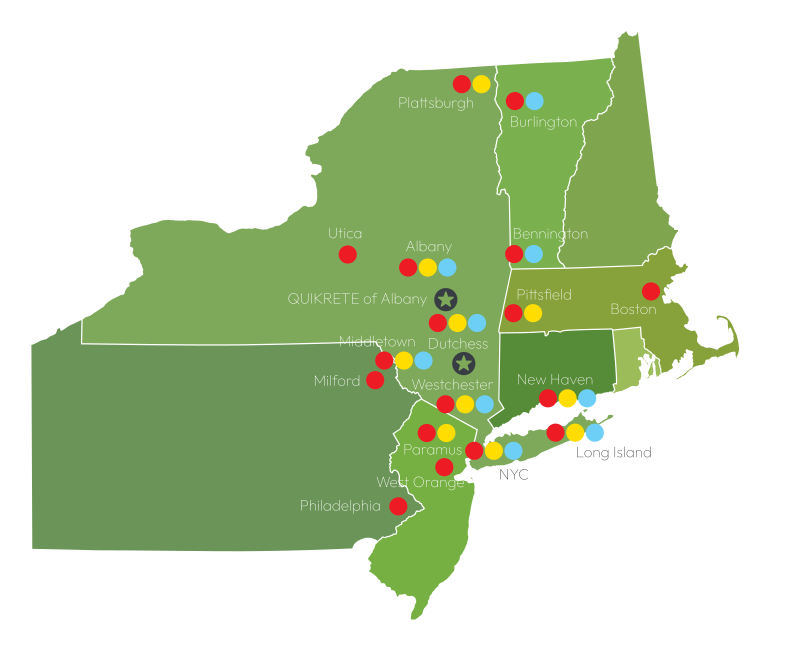
Package Pavement has two convenient locations in Stormville, NY (Dutchess County) and Ravena, NY (Greene County) to serve the Northeastern Region with bagged concrete, blacktop, mortar, and repair products. This map gives a general idea of where we service and the product lines we offer.
Package Pavement Products
Quikrete Products
Spec Mix Products
map

Our Brands Websites