
How to Effectively Perform Asphalt Repair for Long Lasting Results?

When it comes to maintaining roads and driveways, asphalt repair is crucial. Potholes and cracks can pose safety hazards. These issues can lead to further damage if not addressed promptly. Proper repair techniques are vital for achieving long-lasting results.

Many homeowners underestimate the importance of quality asphalt repair. A quick patch may seem sufficient, but it often leads to recurring problems. Understanding the right materials and methods transforms a temporary fix into a durable solution. Expertise in this area can save both time and money in the long run.

Investing in the right asphalt repair practices is essential. Not every repair job will go perfectly, and flaws can become a learning opportunity. By reflecting on past experiences, you can improve future repairs. The goal is to create a reliable surface that withstands the test of time.

How to Effectively Perform Asphalt Repair for Long Lasting Results?

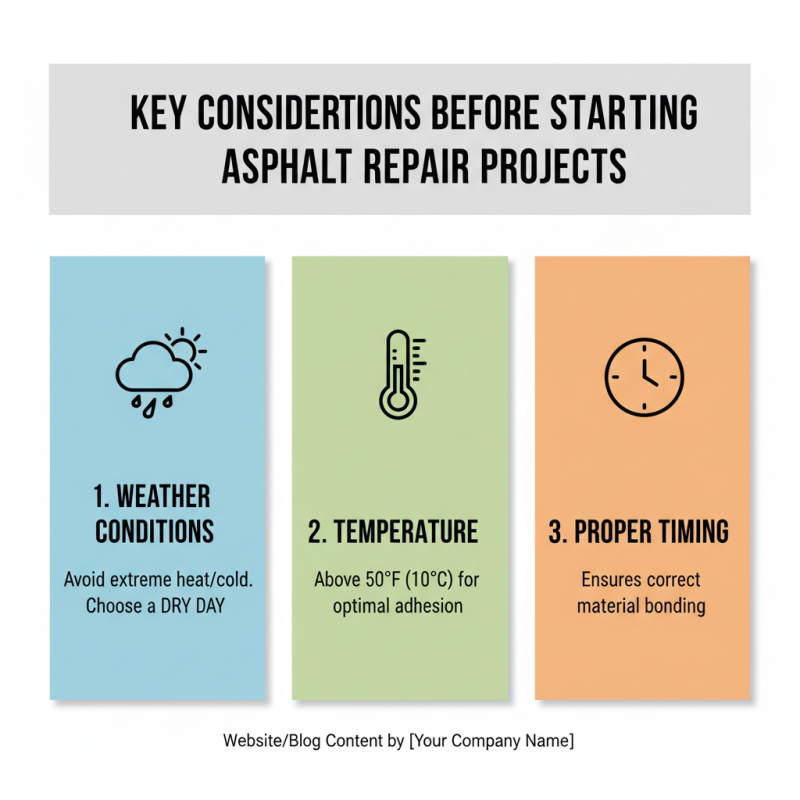
Key Considerations Before Starting Asphalt Repair Projects

How to Effectively Perform Asphalt Repair for Long Lasting Results?

When planning asphalt repair projects, consider a few key factors. Weather conditions significantly impact repair quality. Avoid working in extreme heat or cold. Ideally, choose a dry day. The temperature should be above 50°F for optimal results. Proper timing ensures the material adheres correctly.

Tip: Always prepare the surface properly. Clean the area thoroughly. Remove debris, oil, and loose asphalt. This step enhances the longevity of your repair. Use a power washer or a wire brush for deep cleaning. It's small details like these that make a big difference.

Also, assess the extent of damage. Understanding the issue helps determine if a simple patch will suffice. Sometimes, deeper cracks may indicate underlying problems. In such cases, consider consulting an expert. They can offer insights you might miss.

Tip: Invest in quality materials. Cheaper options may seem appealing, but they often lead to future repairs. Look for materials that suit your climate and traffic conditions. Trustworthy suppliers can provide the right recommendations. Choosing wisely now can save you from costly repairs later.

Tools and Materials Needed for Effective Asphalt Repairs

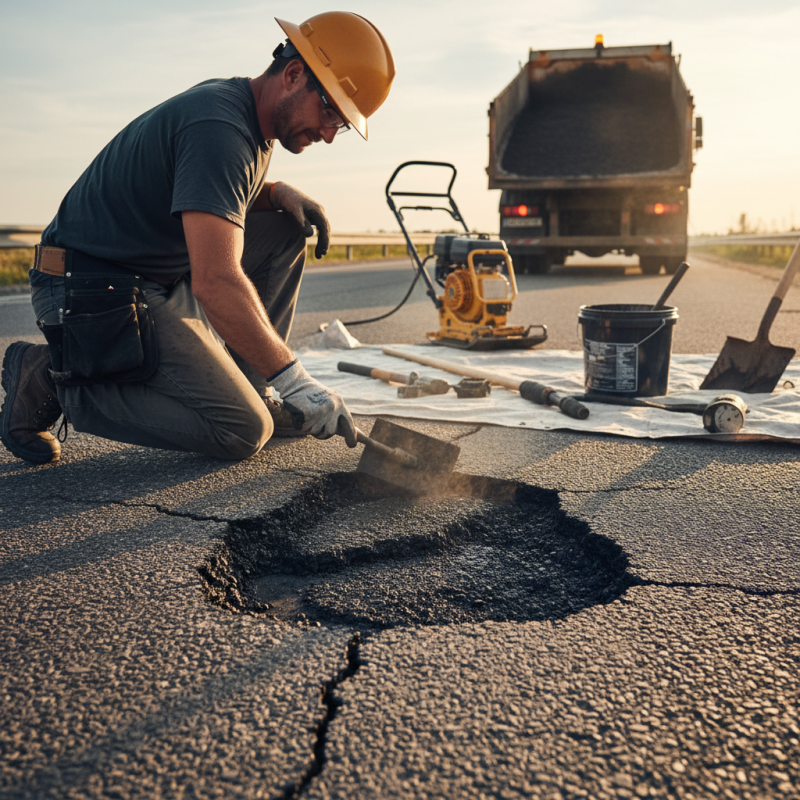
When performing asphalt repair, having the right tools and materials is essential for effective results. You will need a sturdy shovel for removing damaged asphalt and a tamper for compacting the new material. A heating torch can also be handy for certain repairs, especially in cooler weather, as it helps soften the existing asphalt. Consider using a crack filler and sealant to enhance the longevity of your repairs.

Mixing the new asphalt requires precision. Use a mixing tool or power mixer to ensure an even consistency. A high-quality patching compound also helps seal the repair effectively. Don't forget personal protective equipment, like gloves and safety goggles, to keep yourself safe from potential injuries.

It’s important to recognize that mistakes can happen. Sometimes, the mix may not adhere properly, or the compaction may not be sufficient. Conduct regular checks to see if your repairs hold up over time. Learning from each project can improve your skill in asphalt repair. Assessing your work critically will lead to better results in future endeavors.

Step-by-Step Guide to Preparing the Asphalt Surface for Repair

Preparing the asphalt surface for repair is crucial for enhancing durability. Start by cleaning the area thoroughly. Remove all debris, dirt, and loose asphalt. A pressure washer can be very effective here. Sometimes, small cracks are hard to notice. Make sure to inspect the surface carefully. Use a stiff brush to scrub off any stubborn material.

Once clean, the next step involves assessing the damage. Identify any deep cracks or potholes. Mark these areas for your repair work. It’s essential to ensure the edges of the damaged area are well-defined. If the edges are jagged, the new asphalt won't bond effectively. A clean edge promotes greater adhesion.

Consider using a patching compound. This material should match the existing asphalt's consistency. Apply it evenly, ensuring no air pockets form. It requires some patience to achieve a smooth finish. Let it cure completely as per the manufacturer’s instructions. Sometimes, the repair may not look perfect on the first try. You might need to make additional adjustments later. Inspecting your repair after curing can help you spot any areas needing attention.

Techniques for Filling Cracks and Potholes in Asphalt

When addressing asphalt repairs, filling cracks and potholes is crucial. These issues not only mar the surface but also lead to more extensive damage if neglected. Start by thoroughly cleaning the area. Use a wire brush or a pressure washer to eliminate debris. This step is essential to ensure proper adhesion of the repair materials.

For potholes, it's important to undercut the edges. This creates a better bond with the surrounding asphalt. Then, fill the hole with a cold patch mix, compacting it firmly. For cracks, consider using a rubberized crack filler. Apply it generously, ensuring it penetrates deeply. Overfilling slightly allows for settling and makes a tighter seal.

Reflect on the weather conditions before beginning any repair. Extreme temperatures can hinder the effectiveness of your work. Consistent monitoring of repairs over time helps identify any failures in the application. Allowing yourself to revisit and improve previous efforts can lead to better results in future projects. Experience plays a key role in mastering these repairs. Each attempt is a step towards greater proficiency.

Effectiveness of Various Asphalt Repair Techniques

Best Practices for Finishing and Maintaining Repaired Asphalt Surfaces

Maintaining repaired asphalt surfaces is essential for longevity. Studies show that well-maintained asphalt can last up to 30 years. Proper finishing techniques play a crucial role in achieving this lifespan. Ensure the surface is properly compacted. This helps prevent premature cracking and pothole development. Inadequate compaction can reduce the durability of repairs significantly.

Sealing is another best practice. According to the National Asphalt Pavement Association, sealcoating every 2 to 3 years can double the lifespan of asphalt surfaces. A well-sealed surface resists water penetration. This prevents damage from freeze-thaw cycles. It's also important to address any drainage issues immediately. Improper drainage can lead to water pooling, which promotes deterioration.

Regular inspections are crucial. Look for signs of wear, such as small cracks or fading color. Early detection can prevent larger repairs later. Maintenance might include light patching to fill cracks. Ignoring minor issues often results in expensive repairs down the line. Remember, a proactive approach is better than reactive repairs. Assessing the condition regularly fosters a longer-lasting asphalt surface.

Find the Right Repair Product for Your Project

Need to find the most appropriate product for the needs of your project? We can help because we have over 70 years of experience servicing the industry with every kind of project, from Do-it-yourself projects to large skyscrapers. Package Pavement has the experience, the knowledge and the products to help every project succeed.

Quikrete Repair Products
Legend
Package Pavement has two convenient locations in Stormville, NY (Dutchess County) and Ravena, NY (Greene County) to serve the Northeastern Region with bagged concrete, blacktop, mortar, and repair products. This map gives a general idea of where we service and the product lines we offer.
Package Pavement Products
Quikrete Products
Spec Mix Products
map

Our Brands Websites