China Top Asphalt Repair Equipment Suppliers?
Choosing among China’s top asphalt repair equipment suppliers requires more than comparing prices. A machine may look impressive in a showroom, yet perform differently on a wet, uneven road. Buyers should check operating capacity, heating method, fuel use, control systems, and compatibility with local materials. Ask for current product specifications, maintenance schedules, spare-parts availability, and references from customers using similar equipment.
Pavement engineer Randy West’s research points toward a practical principle: “Choose a repair method that fits the pavement’s condition, not just the lowest bid.” This wording is an editorial paraphrase, not a verified verbatim quotation. The idea matters because pothole patchers, crack-sealing machines, and asphalt recycling units solve different problems. Matching equipment to actual road conditions can shape repair quality, crew efficiency, and long-term maintenance costs.
Supplier lists can look tidy. Real performance is messier. This guide will compare manufacturers by product range, technical support, customization, production experience, and evidence behind their claims. It will also note questions buyers should raise before requesting a quotation, including delivery arrangements, training, warranty coverage, and after-sales service. No supplier should be treated as the best choice for every project. A careful review of documents, demonstrations, and customer feedback offers a more reliable starting point for selecting asphalt repair equipment in China.
What Is Asphalt Repair Equipment and How Is It Used?
Asphalt repair equipment includes the tools and machines used to prepare damaged pavement, place repair material, and compact it. Common options range from hand tools and plate compactors to heated patching units, asphalt saws, and larger rollers. The right setup depends on the repair’s size, depth, traffic conditions, and available material. Small defects matter.
For a pothole repair, a crew may first cut or trim weak edges and remove loose debris. A blower or broom helps clear dust and water, though damp conditions can still reduce bonding. Workers then add hot-mix asphalt or a suitable patching material in controlled layers. A plate compactor or roller presses each layer firmly into place. Thin, uneven lifts can leave soft spots; this is easy to overlook when work moves quickly.
Equipment selection also affects consistency and operating costs. A compact machine can reach narrow streets and parking areas, while larger equipment suits longer road sections. Buyers should check capacity, heating method, maintenance access, and whether local crews can operate the machine safely. Specifications are useful, but they do not tell the whole story. Ask how the equipment performs with the repair materials and weather conditions common at the job site.
Which Types of Asphalt Repair Machines Do Chinese Suppliers Offer?
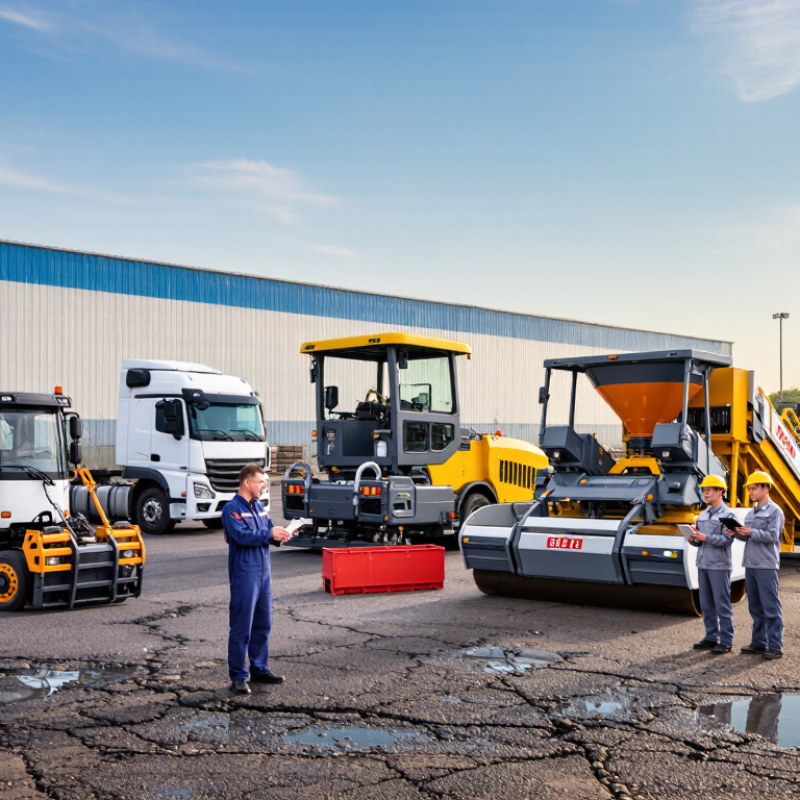
Chinese suppliers offer several types of asphalt repair machines for different pavement problems. For potholes, buyers can find truck-mounted patching units, portable hot boxes, and infrared asphalt heaters. A hot box keeps repair mix warm during transport. An infrared heater softens the damaged surface, helping crews blend new material into existing pavement. Some jobs are small.
Crack repair equipment is another common category. Suppliers may offer crack-sealing kettles with heated tanks, hoses, and hand wands for applying sealant. For surface preparation, asphalt cutters and small milling machines can remove broken edges before patching. Plate compactors and road rollers then press the repair material into place. Some suppliers also provide emulsion sprayers for applying tack coat. The catalog can look reassuring, but machine names alone do not show whether a unit suits a crew’s workload. Check heating capacity, tank volume, power requirements, working width, and spare-parts support. A short video or live operating test can reveal practical details, though it may not answer every question. Repair conditions vary, and choosing a machine can still involve trade-offs.
China Asphalt Repair Equipment: Common Machine Types
Chinese suppliers offer equipment for different stages of asphalt repair. This chart counts representative machine types by their primary repair task—not supplier numbers, sales, or market share.
Examples include crack routers and sealers, infrared heaters and recycling units, patching machines and mobile mixing plants, asphalt distributors, rollers, and plate compactors. Some equipment may support more than one task.
How Can China’s Leading Asphalt Repair Equipment Suppliers Be Compared?
Comparing China’s leading asphalt repair equipment suppliers takes more than lining up prices. Check whether each unit suits the same repair work: pothole patching, crack sealing, or localized reheating. A trailer-mounted hot box may suit municipal crews, while a compact melter can be easier to move through narrow streets. Compare rated output, usable capacity, warm-up time, and fuel use under similar conditions. Ask for operating temperatures and control tolerances, not just a large display reading. Details matter. Test it cold.
Request a live demonstration or unedited footage showing loading, heating, discharge, and cleanup. Check weld quality, insulation thickness, burner access, safety interlocks, and reliable access to common wear parts. Supplier support deserves equal weight: response times, manuals, operator training, spare-part lead times, and warranty exclusions should be clearly documented. Compare ownership costs across several seasons, including fuel, transport, maintenance, and downtime. A low quote can age badly. Be cautious when comparing output figures from different test conditions; suppliers may measure them differently. References from contractors working in similar climates and repair volumes can reveal issues that polished catalogs miss.
What Quality and Service Standards Should Buyers Evaluate?
When comparing asphalt repair equipment suppliers in China, buyers should examine how quality is verified, not just how it is described. Ask for inspection records, material specifications, and clear operating limits for the machine. Check welds, hose connections, controls, and protective covers in person or through a detailed live video. A clean brochure is not proof of durable construction. Ask for records.
Request a demonstration using the type of asphalt mix and working conditions you expect. Observe how evenly the machine heats or applies material, how quickly it is ready, and whether controls are easy to use with gloves. Confirm what routine maintenance involves and which wear parts need regular replacement. Small details matter.
Service standards deserve equal attention. Ask how quickly technical support usually responds, what languages are available, and whether troubleshooting guidance is written and illustrated. Clarify warranty coverage, exclusions, and the process for obtaining replacement parts before placing an order. Request a parts list with item descriptions and expected dispatch times. A promise of “fast service” is vague. Get specifics in writing.
Suppliers should also provide practical training, safe-use instructions, and maintenance schedules suited to the equipment. Compare answers across suppliers, and keep a record of what each one commits to. Some claims may still be difficult to verify from overseas. That uncertainty is worth acknowledging; an independent inspection can help, though it adds cost and time.