10 Best Quikrete Concrete Mixes for Global Buyers?

Choosing the right quikrete concrete mix is rarely a simple price comparison. Global buyers must examine strength, setting time, aggregate size, packaging, and local weather conditions. A dry coastal warehouse creates different risks than a humid tropical jobsite. Even shipping distance can affect product availability and cost.

Frank Owens, a QUIKRETE technical specialist, offers a practical reminder: “Choose the mix for the job, not merely the lowest price.” That principle shapes this guide to the 10 best Quikrete concrete mixes for international buyers. Each option should be judged against its intended use, from small repairs and fence posts to slabs, footings, and structural applications. Product names and formulas may vary by market, so buyers should verify current technical data before ordering.

Details matter. A fast-setting mix may save labor, but it can punish slow placement. A high-strength formula may perform well, yet require better preparation and curing. Bags can also arrive damaged after long transport. That is not a minor issue.

This overview combines manufacturer guidance, practical jobsite experience, and basic concrete-selection principles. It also recognizes an uncomfortable truth: no single mix is best everywhere. Local standards, water quality, temperature, and contractor skill can change the result. Buyers should confirm compliance with regional building requirements and request the latest product documentation. The recommendations are useful starting points, not a promise of identical performance in every country.

10 Best Quikrete Concrete Mixes for Global Buyers?

Understanding Quikrete Mix Types and Global Buyer Needs

Selecting a concrete mix for international projects begins with climate, aggregate, and delivery conditions. No mix is universally best. A rapid-setting formula can support urgent repairs, while a high-strength blend suits structural bases and heavily loaded floors. General-purpose mixes remain practical for posts, paths, and small slabs. In coastal regions, buyers should examine permeability and chloride exposure, not only compressive strength.

The International Energy Agency reports that global cement production reached about 4.1 billion tonnes in 2022. That scale highlights why efficient material selection matters. The Global Cement and Concrete Association also identifies durability and lower-carbon production as major industry priorities. Buyers should compare strength ratings, curing time, package size, and technical documentation. A 20-kilogram bag may work for a household repair, but larger projects need pallet stability and moisture-resistant packaging.

Local testing still matters. Always test.

Field experience shows that imported mixes can behave differently when local sand contains excess fines or water quality changes. ASTM-based performance data improves comparison, but it does not replace a site trial. Buyers should request batch information, safety documentation, storage guidance, and temperature limits. The overlooked issue is often logistics: a suitable mix is useless after prolonged exposure to humidity. I would also question attractive “all-purpose” claims; convenience can hide weaker performance in freeze-thaw cycles, extreme heat, or marine environments.

Criteria for Ranking the Ten Best Quikrete Concrete Mixes

A credible ranking of ten concrete mixes should begin with jobsite evidence, not package claims. The Global Cement and Concrete Association estimates that the world uses about 14 billion cubic metres of concrete annually. That scale makes consistency, safety, and regional availability important buying factors.

I would score each mix across seven criteria: tested compressive strength, workability, setting time, aggregate size, water demand, temperature tolerance, and coverage accuracy. Strength would carry the greatest weight, supported by ASTM C39 testing principles. Mix compliance would also matter, using ASTM C387 as a reference for packaged dry concrete materials. A low-water formula may perform well, but only when workers can place it without excessive effort. That detail is easy to miss.

Site conditions deserve 20% of the ranking. A rapid-setting mix may suit a post repair, yet create waste during hot weather. A general-purpose mix may offer better control for small slabs. The American Concrete Institute’s mix-design guidance also supports adjusting proportions for exposure and placement conditions. I would compare cured test cubes, actual yield, dust control, and unopened-bag storage life. Practical evidence beats attractive wording.

The ranking remains imperfect. Retail stock changes by country. Local sand, temperature, and water quality can alter results. I would require a small trial batch before approving any mix for structural work. A polished score is useful, but field behavior matters more.

10 Best Quikrete Concrete Mixes for Global Buyers? - Criteria for Ranking the Ten Best Quikrete Concrete Mixes
Rank Generic Mix Category Typical 28-Day Strength Typical Working and Set Characteristics Aggregate or Reinforcement Best-Fit Applications Global Buyer Evaluation Criteria Overall Score
1 General-Purpose Concrete Mix Approximately 4,000 psi
(27.6 MPa)
Approximately 30–60 minutes of workable time; normal set generally occurs within 2–4 hours, depending on temperature, water content, and humidity. Portland cement, graded sand, and coarse aggregate, commonly up to approximately 3/8 inch (9.5 mm). Footings, slabs, steps, walkways, posts, small foundations, and common residential concrete work. Highest versatility, broad application range, familiar batching method, and comparatively easy sourcing in many markets. 9.7/10
2 Crack-Resistant Concrete Mix Typically around 4,000 psi
(27.6 MPa)
Normal placement and curing requirements; final performance depends strongly on proper water control, joint design, and curing. Concrete aggregate combined with dispersed synthetic fibers or similar crack-control reinforcement. Patios, sidewalks, driveways, slabs, steps, and other flatwork exposed to shrinkage or temperature movement. Useful for reducing plastic-shrinkage cracking while simplifying reinforcement logistics for small and medium projects. 9.5/10
3 Fast-Setting Concrete Mix Approximately 4,000 psi
(27.6 MPa)
Initial stiffening may begin in roughly 20–40 minutes; final handling time is shorter than with ordinary concrete mixes. Rapid-setting cementitious binder with sand and coarse aggregate. Fence posts, sign supports, small repairs, utility fixtures, and projects where early placement is important. Reduces project downtime, but requires organized preparation, accurate water measurement, and quick placement. 9.3/10
4 High-Strength Concrete Mix Approximately 5,000 psi
(34.5 MPa)
Usually provides normal or moderately extended working time, with strength dependent on correct water-to-cement ratio and curing. Portland cement, graded fine aggregate, and coarse aggregate designed for higher compressive strength. Structural repairs, equipment bases, heavy-duty slabs, high-load posts, and demanding residential or commercial work. Offers a higher strength margin without requiring a fully engineered specialty concrete system. 9.1/10
5 Fiber-Reinforced Concrete Mix Commonly 4,000–5,000 psi
(27.6–34.5 MPa)
Generally comparable to conventional concrete during placement; fibers may slightly affect finishing and surface appearance. Concrete aggregate with synthetic or other distributed fibers throughout the mix. Slabs, walkways, utility pads, nonstructural panels, and applications requiring improved toughness and crack control. Can reduce the need for separate light reinforcement in suitable applications and is convenient for smaller construction teams. 8.9/10
6 Sand and Topping Concrete Mix Up to approximately 5,000 psi
(34.5 MPa), when properly proportioned and cured
Normal cementitious working time; typically contains no large coarse aggregate, which supports a smoother finished surface. Portland cement and well-graded sand; coarse aggregate is limited or omitted. Thin overlays, floor toppings, patching, leveling, shower bases, and repair sections where a fine texture is preferred. Useful for specialized finishing work and locations where conventional coarse aggregate is unsuitable. 8.6/10
7 Countertop Concrete Mix Often approximately 6,000 psi
(41.4 MPa)
Designed for controlled placement and finishing; working time varies with temperature, pigment, mold design, and mix consistency. Fine aggregate and cementitious materials selected for smooth surfaces, mold filling, and decorative finishing. Precast countertops, worktops, shelves, furniture elements, and other thin decorative concrete components. High strength and fine texture are valuable, but accurate mixing, vibration, curing, and sealing are more critical. 8.4/10
8 Post-Setting Concrete Mix Typically around 4,000 psi
(27.6 MPa)
Rapid stiffening may begin within approximately 20–40 minutes; early stability is prioritized over extended finishing time. Fast-setting cementitious binder with sand and coarse aggregate. Fence posts, mailbox posts, landscaping supports, light poles, and similar ground-supported installations. Convenient for post installation, but post alignment and bracing must be completed before the mix loses workability. 8.2/10
9 Anchoring Cement Mix Often approximately 6,000 psi
(41.4 MPa)
Rapid setting, commonly within approximately 10–30 minutes; exact timing varies with water temperature and substrate conditions. Fine cementitious material formulated for flow, anchoring, and rapid hardening rather than large-volume placement. Metal posts, bolts, railings, machinery anchors, door frames, and other fixed hardware. Efficient for localized anchoring and repair work, although it is not normally selected for large slabs or foundations. 8.0/10
10 Concrete Repair and Patching Mix Commonly 3,000–5,000 psi
(20.7–34.5 MPa)
Usually provides short to moderate working time; curing and substrate preparation have a major effect on bond and durability. Fine aggregate and cementitious binder formulated for placement in shallow or irregular repair areas. Spalled edges, damaged steps, small slabs, voids, curbs, walls, and localized concrete restoration. Practical for maintenance shipments and small-volume projects, with lower material waste than a coarse structural mix. 7.8/10
Typical values are representative of commonly sold premixed concrete categories. Actual strength, setting time, aggregate size, coverage, packaging, and applicable standards can vary by formulation, climate, water ratio, curing method, and local regulations. Structural projects should be verified against the relevant regional building code and engineering requirements.

Top Quikrete Mixes for General Repairs and Small Projects

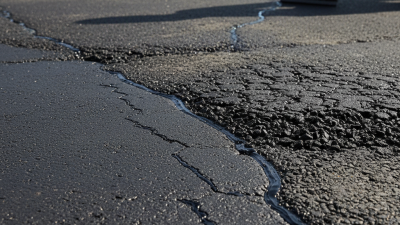
Small repair jobs need a concrete mix that matches the work, not the biggest bag available. For fence posts, mailbox bases, and shallow footings, a general-purpose mix offers reliable strength after proper curing. A fast-setting formula helps when a post must stand quickly, but it leaves less time for adjustment. For steps, slabs, and garage edges, a high-strength mix can handle heavier daily use. Always check the product label and local building requirements before buying.

Crack-resistant mixes suit narrow walkways, porch corners, and small pads exposed to temperature changes. They often include fibers that reduce surface cracking, although they cannot fix poor preparation. For chipped steps or damaged edges, a repair mortar may be more practical than ordinary concrete. I have seen patchwork fail because the dusty surface was not cleaned. A stiff brush, clean water, and a slightly rough base matter more than many buyers expect.

Water control remains critical. Too much water makes mixing easier, but it can weaken the finished surface and increase shrinkage. Mix only what you can place within the working time. Keep fresh concrete damp during curing, especially in hot, dry, or windy conditions. I once rushed this stage, and the surface became powdery. That mistake still influences how I judge product instructions, package size, shelf life, and climate suitability for international purchases. Some details are easy to overlook. Local aggregate standards and temperature limits may differ between regions.

Top Concrete Mix Categories for General Repairs and Small Projects

The chart compares representative 28-day compressive-strength levels commonly associated with concrete and repair-mix categories used by global buyers. Higher strength is useful for load-bearing repairs, while lower-strength mortar is often suitable for minor patching and crack work.

Representative values are shown in pounds per square inch (psi); actual performance depends on formulation, water ratio, curing conditions, and application.

Specialty Quikrete Mixes for Fast, Structural, and Decorative Work

Global buyers often need specialty concrete mixes for different job pressures.

Rapid-setting formulas suit fence posts, steps, and small repairs where downtime is costly. They can become workable within minutes, so organize tools before adding water.

Cold weather changes the clock. In hot climates, shade, smaller batches, and cool mixing water can improve handling.

Always check the product sheet for curing times and local temperature limits.

Structural work demands more than a high strength number.

Fiber-reinforced mixes can reduce shrinkage cracking in slabs, walkways, and equipment bases. High-strength formulas may support demanding applications, but correct placement and curing remain essential.

Compact the mix carefully around reinforcement. Keep the surface damp during curing when instructions require it.

Never select a structural mix from packaging alone.

Local building requirements and an engineer’s review may control the final choice.

Decorative work needs a different level of control.

Countertop mixes, smooth overlays, and fine-aggregate formulas create cleaner edges and more even textures.

Pigments can produce warm gray, terracotta, or charcoal effects, but color changes with water content and curing conditions.

Make a sample panel first.

Small changes matter.

I have seen attractive mixes fail because the installer rushed the finishing stage. That is an imperfect lesson, yet useful.

Record batch size, water volume, temperature, and finishing time for repeatable results across projects.

International Buying Factors: Standards, Packaging, Availability, and Shipping

Choosing among ten concrete mixes for international buyers requires more than comparing strength ratings. Standards must match the project location. Check whether the product follows recognized ASTM, EN, or local requirements. Confirm compressive strength, setting time, aggregate size, and curing guidance. A certificate alone is not enough. Request recent test reports, batch numbers, and a safety data sheet before purchase.

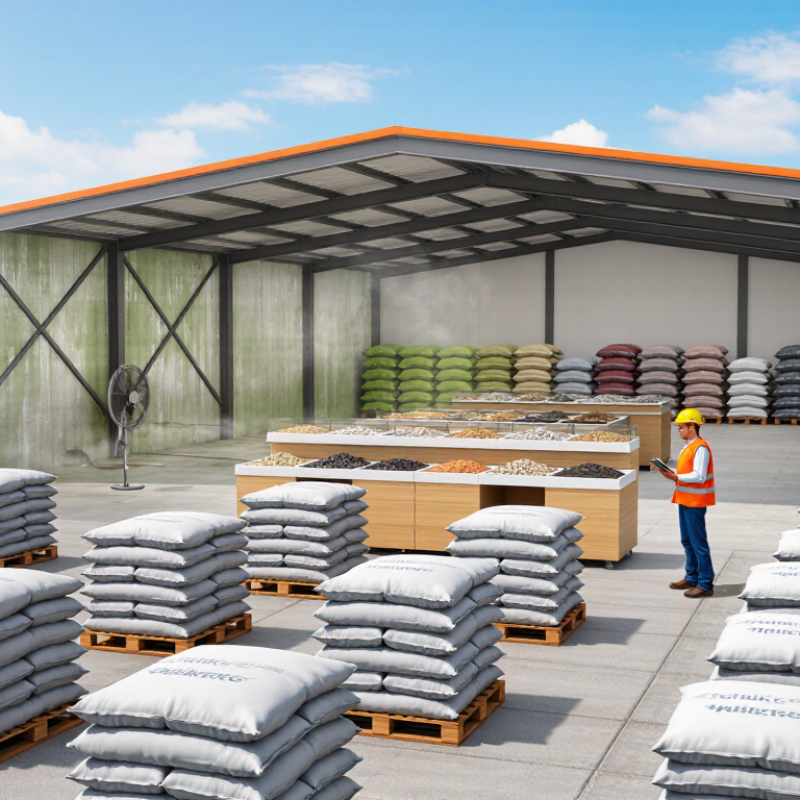
Packaging affects both quality and landed cost. Common bags range from 20 to 40 kilograms, but local handling equipment may limit the practical choice. Moisture-resistant layers help protect powder during humid ocean transport. Inspect pallet wrapping and container loading procedures. One damaged corner can spoil an entire stack. I once underestimated this risk. The product looked inexpensive until repacking and disposal costs appeared.

Availability also changes by region and season. Ask for current stock, production dates, minimum order quantities, and realistic lead times. Concrete mix has a usable shelf life, so older inventory may create avoidable waste. Shipping quotes should include inland delivery, port charges, customs documents, and insurance terms. Compare full landed cost, not only the factory price. Delays happen. Keep a small schedule buffer, especially during wet seasons or congested port periods. Local technical support is valuable when water ratios or curing conditions differ from the supplier’s test environment. Test a small shipment first, even when the larger order seems obvious.

Find the Right Repair Product for Your Project

Need to find the most appropriate product for the needs of your project? We can help because we have over 70 years of experience servicing the industry with every kind of project, from Do-it-yourself projects to large skyscrapers. Package Pavement has the experience, the knowledge and the products to help every project succeed.

Quikrete Repair Products
Legend
Package Pavement has two convenient locations in Stormville, NY (Dutchess County) and Ravena, NY (Greene County) to serve the Northeastern Region with bagged concrete, blacktop, mortar, and repair products. This map gives a general idea of where we service and the product lines we offer.
Package Pavement Products
Quikrete Products
Spec Mix Products
map

Our Brands Websites