

2026 Best Construction Materials for Global Buyers?

In the ever-evolving construction industry, selecting the right construction materials is crucial for project success. Many global buyers are searching for top-quality materials that can withstand various environmental challenges. Industry expert John Smith, a leading consultant in sustainable architecture, emphasizes, "Choosing the right construction materials not only impacts durability but also shapes future sustainability."

As the demand for innovative and eco-friendly solutions grows, the landscape of construction materials is changing rapidly. Traditional materials are now joined by high-performance options that offer increased efficiency and reduced environmental impact. Understanding these trends is essential for buyers aiming to make informed decisions.

Balancing cost and quality is often a challenge. Some materials may seem affordable upfront but fail to deliver long-term benefits. It's essential to evaluate performance over time. Seeking advice from experts can enhance understanding. Buyers should consider not just aesthetics but also functionality and sustainability in their selections.

2026 Best Construction Materials for Global Buyers?

Emerging Trends in Construction Materials for 2026

Emerging trends in construction materials for 2026 are shaping the industry. Innovative materials are gaining traction. For instance, bamboo-based composites are becoming popular due to their sustainability. This natural material is lightweight and strong, making it ideal for various applications. Using bamboo can significantly reduce carbon footprints and promote greener building practices.

Another notable trend is the rise of recycled materials. From plastic bricks to glass insulation, these alternatives are both eco-friendly and cost-effective. They often maintain a high quality and durability that meets industry standards. However, challenges exist. Not all recycled materials perform equally, which can create inconsistencies in construction projects. Evaluating their effectiveness requires expertise and thorough testing.

Advanced technologies are also influencing material selection. Smart materials, which can respond to environmental changes, are entering the market. These include self-healing concrete and thermochromic tiles. They promise enhanced longevity and efficiency. Yet, the complexity of integrating such materials into traditional building practices poses a learning curve for many professionals. The industry must adapt to these innovations while ensuring safety and reliability.

Top Sustainable Materials for Eco-Friendly Construction Practices

Sustainable construction materials are becoming a crucial focus for eco-friendly practices. According to a recent industry report, around 40% of global carbon emissions come from construction activities. This highlights the urgent need for alternatives that can reduce our environmental footprint. For instance, recycled steel and reclaimed timber not only minimize waste but also provide strength and durability. These materials have been found to use up to 75% less energy compared to traditional options.

Eco-friendly concrete is another innovative material gaining traction. Made with recycled aggregates or bio-based components, it can cut carbon emissions significantly. Research indicates that using such alternatives can reduce overall emissions by up to 30%. Many buyers are shifting toward these materials to align with sustainability goals.

When choosing materials, consider the lifecycle impact. Some materials may be sustainably sourced but require high energy for processing. Always prioritize transparency about sourcing and production methods. Engage with suppliers who can provide clear data on their sustainability practices, ensuring responsible choices. Look for certifications that validate eco-friendly claims, as this adds another layer of reliability.

Innovative Technologies Shaping Construction Material Manufacturing

Innovative technologies are reshaping the construction materials landscape. 3D printing has emerged as a game-changer, allowing for quick production of complex structures. This method significantly reduces waste compared to traditional manufacturing. However, the reliance on digital design tools requires a skilled workforce. The learning curve can be steep, resulting in a gap between technology and labor availability.

Sustainable materials are also gaining traction. Innovations in bio-based materials promise lower carbon footprints. For instance, mycelium and hemp are becoming popular options. They are renewable and require less energy for production. However, these materials often face skepticism regarding performance and durability. The construction industry must address these concerns to gain wider acceptance.

Moreover, smart materials equipped with sensors are on the rise. These materials can adapt to environmental changes, enhancing building efficiency. While the potential is high, integration with existing systems is challenging. Many construction professionals lack the expertise to implement these technologies effectively. Continuous education and training will be vital for future advancements in this sector.

Comparative Analysis of Global Sourcing Options for Construction Materials

The global construction materials market presents diverse sourcing options for buyers. Understanding these can significantly impact project outcomes. For instance, sourcing wood from sustainable forests can minimize ecological damage. However, the availability and quality of such materials can vary greatly by region. Buyers must consider local regulations and environmental factors, as these affect material selection and pricing.

In contrast, steel remains a staple in construction. It is durable and versatile, but its carbon footprint often raises concerns. Buyers might face challenges in sourcing high-quality steel without compromising environmental standards. Additionally, the geopolitical landscape can affect pricing and availability, making it crucial to stay informed.

Concrete, too, offers various sources, but not all are created equal. Innovations in concrete technology can lead to more sustainable options. However, this research and development can lag in certain regions. Buyers should be cautious and seek reliable suppliers who prioritize quality and sustainability. Navigating the complexities of global sourcing requires careful consideration and an understanding of local market dynamics.

Key Factors Influencing Material Selection for International Buyers

When global buyers select construction materials, they consider multiple factors. Sustainability is a top priority. Eco-friendly materials can enhance a project's long-term viability. However, sourcing such materials can be challenging. Not every supplier offers reliable green options that meet industry standards.

Price sensitivity is another key aspect. International buyers often face budget constraints. They seek materials that provide the best value for money. Quality assurance becomes essential here. Inconsistent quality can lead to project delays and increased costs. A focus on durability and performance helps mitigate these risks.

Cultural preferences also play a significant role. Local architectural styles and building practices may dictate material choices. Buyers often have to navigate these differences. Additionally, logistics cannot be ignored. Transportation costs and time impact the overall feasibility of material selection. Each of these factors adds complexity to the decision-making process.

Find the Right Repair Product for Your Project

Need to find the most appropriate product for the needs of your project? We can help because we have over 70 years of experience servicing the industry with every kind of project, from Do-it-yourself projects to large skyscrapers. Package Pavement has the experience, the knowledge and the products to help every project succeed.
Quikrete Repair Products
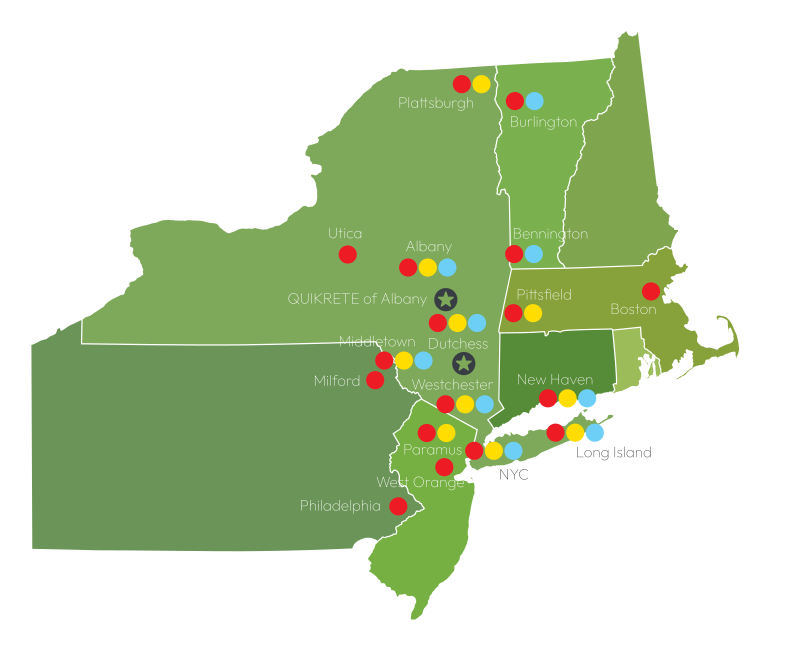
Legend
Package Pavement has two convenient locations in Stormville, NY (Dutchess County) and Ravena, NY (Greene County) to serve the Northeastern Region with bagged concrete, blacktop, mortar, and repair products. This map gives a general idea of where we service and the product lines we offer.
Package Pavement Products
Quikrete Products
Spec Mix Products
map

Our Brands Websites