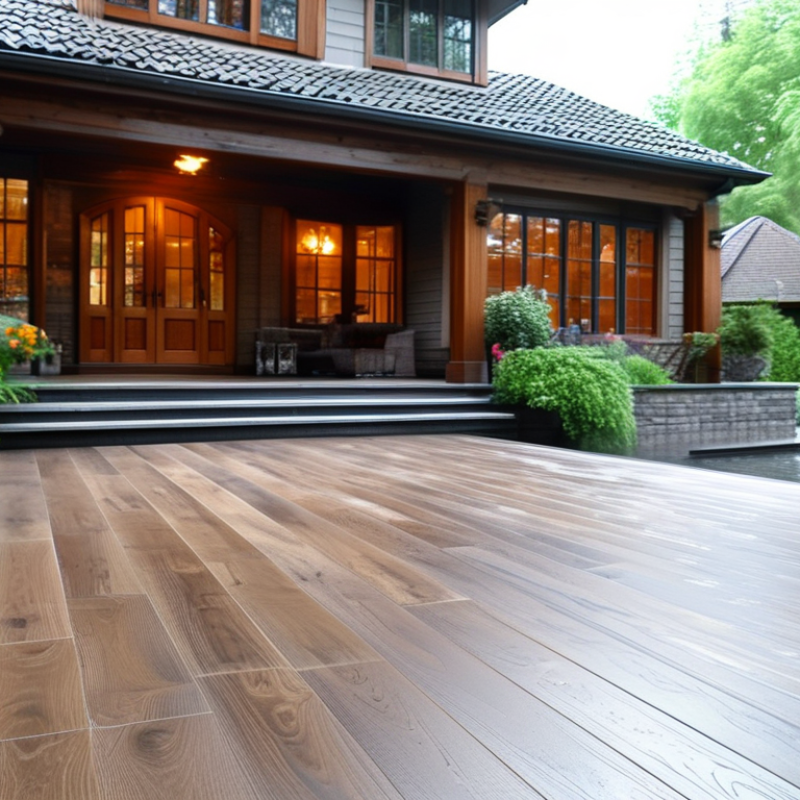
What is WPC Floor Decking Advantages and Applications?

Wpc Floor Decking has become a popular choice for homeowners and builders alike. This innovative material combines wood fibers and plastic, resulting in a durable and versatile product. One key advantage of WPC Floor Decking is its resistance to moisture. This feature makes it a fantastic option for areas prone to humidity or water exposure, such as bathrooms and outdoor spaces.

In addition to its practical benefits, WPC Floor Decking offers aesthetic appeal. It closely resembles traditional wood but requires far less maintenance. Homeowners appreciate that they can enjoy the look of wood without the associated upkeep. However, some may find the initial cost to be higher than traditional materials.

As we explore the advantages and applications of WPC Floor Decking, it's essential to consider both its strengths and limitations. Understanding these aspects can help in making informed choices for flooring solutions. Ultimately, WPC Floor Decking presents a compelling option for various settings, blending style and functionality in a unique way.

What is WPC Floor Decking Advantages and Applications?

Advantages of WPC Floor Decking Compared to Traditional Materials

WPC (Wood-Plastic Composite) floor decking has gained popularity for various applications due to its distinct advantages over traditional materials. One major benefit is its resistance to moisture and insects. Reports indicate that WPC decking has a lifespan that can exceed 25 years when properly maintained. In contrast, traditional wood decking often requires frequent treatments and replacement due to rot or pests. This durability can lead to lower long-term costs for homeowners.

Another key factor is the environmental impact. WPC is typically made from recycled materials, significantly reducing waste. According to a study by the Environmental Protection Agency, using recycled plastics in WPC products can lower carbon footprints by up to 40%. Additionally, WPC decking requires less maintenance compared to wood. Traditional wooden decks need regular staining and sealing, while WPC simply requires occasional cleaning. This ease of maintenance resonates with homeowners seeking convenient solutions.

Moreover, the aesthetic versatility of WPC flooring is noteworthy. It can mimic the look of natural wood without the drawbacks. Some homeowners, however, may still miss the richness of authentic wood grain. While WPC materials offer many advantages, it’s important to weigh these benefits against individual preferences and potential limitations. The choice between WPC and traditional materials ultimately depends on personal needs and experiences.

Durability and Weather Resistance of WPC Floor Decking

WPC floor decking has gained popularity for its remarkable durability and weather resistance. This unique material combines wood fibers and plastic, creating a strong and resilient surface. Unlike traditional wood decking, WPC does not warp or splinter over time, making it a safer choice, especially for families with children. It withstands heavy foot traffic, making it ideal for both residential and commercial spaces.

When exposed to harsh weather conditions, WPC decking performs exceptionally well. It resists moisture, preventing mold and mildew growth. This is crucial for outdoor areas like patios and pool decks. Even in extreme temperatures, WPC maintains its structural integrity. However, some users report that it can fade slightly with prolonged sun exposure. Regular maintenance, such as cleaning and occasional sealing, can help retain its appearance.

The versatility of WPC decking extends beyond its practicality. It comes in various colors and textures, allowing for creative designs. While it’s an excellent option for outdoor applications, it can also be used indoors for a cohesive look. Ultimately, WPC decking strikes a balance between aesthetic appeal and functionality, but users must remain vigilant about maintenance practices to maximize its lifespan.

Design Versatility: Colors and Textures of WPC Floor Decking

WPC floor decking offers remarkable design versatility, with a wide range of colors and textures. Homeowners can choose from rich wood tones to modern greys, making it suitable for various aesthetics. The surface texture mimics natural wood or stone, adding depth to any space. This adaptability allows for creativity in both indoor and outdoor settings.

When considering WPC flooring, pay attention to your environment. High-traffic areas benefit from darker colors, which hide scuffs. Lighter shades can make smaller spaces feel larger and brighter. It’s wise to test samples before making a final decision. This ensures that the chosen color complements your furniture and overall design.

Designing with WPC requires some reflection. While the range of options is exciting, it can be overwhelming. Take your time to visualize how different colors and textures will work together. Layout and lighting can significantly affect the final appearance. Don’t rush the decision; a thoughtful choice will elevate your space.

Eco-Friendly Features of WPC Floor Decking Materials

WPC (Wood-Plastic Composite) floor decking is gaining traction due to its eco-friendly attributes. Made from recycled wood fibers and plastic, WPC minimizes waste by utilizing materials that might otherwise end up in landfills. According to a 2021 report by the International Sustainable Business Council, using recycled content can reduce carbon emissions by as much as 30% compared to traditional flooring materials. This is a significant reduction, showcasing WPC's role in sustainable building practices.

The properties of WPC decking enhance its environmentally friendly nature. It is resistant to rot, mold, and insects, which leads to less need for chemical treatments. A study from the Eco Design Institute noted that one square meter of WPC can save up to 50 liters of water throughout its lifecycle when compared to wood decking. However, the durability of WPC can lead to a false sense of security regarding its environmental impact; maintenance and replacement can still contribute to waste if not considered carefully.

Incorporating WPC decking in both residential and commercial projects is becoming common. It promotes a greener building strategy while providing aesthetic appeal. People often overlook that aesthetic benefits should not overshadow the ecological effects of their choices. It’s vital to explore both the advantages and potential downsides of using WPC. Balancing visual appeal with sustainable practices results in a well-rounded approach, which is increasingly demanded by environmentally conscious consumers.

Advantages and Applications of WPC Floor Decking

Common Applications and Uses of WPC Floor Decking in Construction

WPC floor decking is gaining traction in construction due to its versatility and durability. It combines wood fibers and plastic, making it resistant to moisture and termites. This material is preferred in outdoor applications like decks and patios. Its slip-resistant surface enhances safety, especially in wet conditions.


Common uses include walkways, balconies, and poolside installations. The aesthetics of WPC can mimic natural wood without the upkeep. Architects and builders favor it for residential and commercial projects. Its lightweight nature simplifies transportation and installation, saving time and labor costs.


Tips: When considering WPC decking, examine the specific needs of your project. Ensure proper drainage for longevity. Regular cleaning will keep the surface looking fresh. Having a clear maintenance plan can help mitigate any potential issues down the line. Overall, WPC decking is a forward-thinking choice that reflects modern construction trends.

Find the Right Repair Product for Your Project

Need to find the most appropriate product for the needs of your project? We can help because we have over 70 years of experience servicing the industry with every kind of project, from Do-it-yourself projects to large skyscrapers. Package Pavement has the experience, the knowledge and the products to help every project succeed.
Quikrete Repair Products
Legend
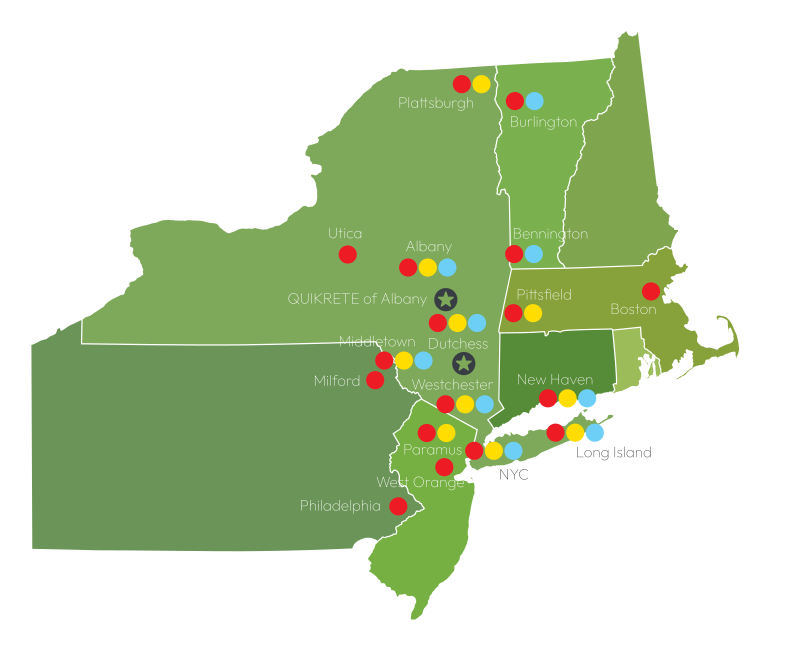
Package Pavement has two convenient locations in Stormville, NY (Dutchess County) and Ravena, NY (Greene County) to serve the Northeastern Region with bagged concrete, blacktop, mortar, and repair products. This map gives a general idea of where we service and the product lines we offer.
Package Pavement Products
Quikrete Products
Spec Mix Products
map

Our Brands Websites