Why Are Resin Insects Popular for Global Buyers?
Resin Insects have become popular with global buyers because they combine natural-looking detail, creative design, and dependable decorative value. A tiny amber-colored beetle can preserve sharp legs, textured wings, and subtle color changes under clear resin. These pieces attract collectors, educators, interior designers, and gift buyers. They are easy to display, lightweight, and less fragile than many glass alternatives. For international customers, that practical balance matters.
Experienced makers understand that quality begins before the resin is poured. Insects should be ethically sourced or responsibly replicated, while the finished surface must remain clear, stable, and free from sharp edges. Professional production also requires controlled curing, accurate labeling, secure packaging, and careful moisture protection. Buyers often examine photographs closely, yet images may hide bubbles, uneven edges, or color differences. Reliable suppliers should explain materials, dimensions, care instructions, and shipping conditions without exaggerated claims.
The market is not perfect. Some products look impressive online but feel ordinary in person. Others may raise questions about origin, durability, or environmental responsibility. These concerns deserve honest attention, not polished slogans. Global sellers must also check destination-country rules for biological specimens, decorative items, packaging materials, and consumer safety. Regulations can differ widely, and assumptions create avoidable problems. When makers combine transparent sourcing, tested resin, consistent craftsmanship, and responsive customer service, Resin Insects become more than attractive ornaments. They become considered products with educational, artistic, and commercial appeal. That trust may take time to build. It can disappear quickly.
What Are Resin Insects and How Are They Made?
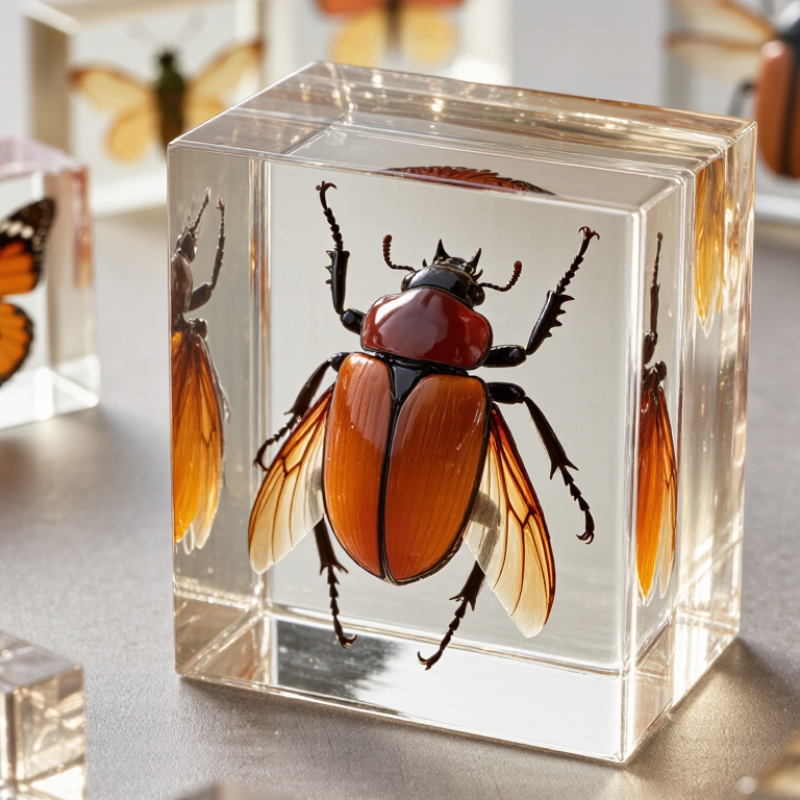
Resin insects are small decorative objects made from clear or tinted synthetic resin. They may contain sculpted insect models, preserved specimens, wings, leaves, or miniature scenes. The making process starts with a silicone mold. Makers measure two liquid components carefully, then mix them slowly to reduce bubbles. Some pieces use pressure chambers or vacuum equipment. The resin is poured in thin layers, allowing each layer to cure before the next one is added. Small details, such as antennae and wing veins, need steady hands.
After curing, the piece is removed, trimmed, sanded, and polished. UV resin can suit tiny designs, while two-part epoxy usually offers deeper casting. A 2024 industry market assessment valued global epoxy resin demand at roughly US$12 billion in 2023, showing the material’s wide industrial use beyond decoration. A separate 2023 chemicals and waste report from the United Nations Environment Programme stressed the importance of controlled chemical handling and waste reduction. Those findings matter in small workshops, too. Ventilation, gloves, accurate ratios, and product safety sheets are not optional details.
The result is attractive, but it is not always flawless. Bubbles may resemble air trapped in amber. Resin can also yellow under heat or strong sunlight. I would not describe every clear insect as museum-grade. Better makers record curing times, resin batches, and specimen sources, although many small studios still lack complete documentation. That gap deserves more attention from buyers.
Why Are Resin Insects Popular with Global Buyers?
Resin insects combine preserved natural detail with long-lasting decorative and educational value. Their wide range of sizes and shapes also makes them suitable for collections, interior displays, teaching materials, and gifts.
What Are Resin Insects and How Are They Made?
Resin insects are decorative or educational pieces made by embedding a dried insect specimen, replica, or detailed mold in transparent casting resin. The resin is poured in layers, cured, removed from the mold, and polished. The chart shows representative maximum display dimensions based on published biological size ranges; it is not sales or popularity data.
Sources: Encyclopaedia Britannica – Atlas Moth; USDA Forest Service – Monarch Butterfly; San Diego Zoo – Blue Morpho Butterfly; Woodland Trust – Stag Beetle; RSPB – Ladybirds
Which Features Make Resin Insects Attractive to Global Buyers?
Global buyers often choose resin insects for their detailed appearance and reliable structure. Skilled makers can reproduce fine legs, wing veins, antennae, and natural color patterns. These details help collectors, educators, and interior designers create convincing displays. A clear resin body also protects delicate shapes from dust, moisture, and frequent handling.
Durability is another important feature. Unlike dried specimens, resin insects are less likely to crumble during shipping or routine cleaning. Lightweight designs can reduce packaging pressure and transportation costs. Buyers also value consistent sizes, smooth surfaces, and stable colors across multiple pieces. Clear product photos, accurate measurements, and material information make purchasing decisions more dependable.
Resin is not perfect. Tiny bubbles, uneven edges, or slightly artificial colors can appear in handmade pieces. A highly glossy finish may also reduce a natural look. Experienced buyers usually inspect close-up images before ordering. From a practical sourcing perspective, careful polishing and secure packaging matter as much as visual detail. Custom shapes and educational labels can add value, but they may increase production time. That trade-off deserves honest discussion. Some buyers prefer realistic imperfections, while others expect museum-like precision. There is no single standard for every market.
What Factors Influence the Quality and Value of Resin Insects?
Resin insects attract global buyers because they preserve tiny forms in a clear, durable display piece. Yet popularity does not guarantee quality. The resin should be transparent, evenly cured, and free from large bubbles, cloudy patches, or yellowing. Fine details matter: visible legs, antennae, wing veins, and natural body texture make the specimen feel authentic. A clean surface with polished edges also signals careful production. I inspect pieces under angled light, because defects can hide in ordinary room lighting. Small flaws can be acceptable. They should be disclosed.
The insect’s condition strongly affects value. An intact specimen with balanced posture usually attracts more interest than one with crushed limbs or missing wings. Accurate identification adds credibility, especially when the seller provides the common name, scientific name, collection date, and origin. Documentation should be clear and consistent. Legal and ethical sourcing is equally important; buyers should ask whether collection and transport follow local rules. A low price may reflect weak finishing, uncertain records, or poor preservation rather than a genuine bargain.
Size, rarity, presentation, and workmanship also shape market price. A larger piece is not automatically better. Proportion and visibility matter more than bulk. UV stability, scratch resistance, and safe packaging influence long-term value for overseas buyers. From practical handling, I have learned that even attractive resin can disappoint when it arrives with a chipped corner. I may overvalue visual drama sometimes. Careful comparison is still wiser than impulse.
How Can Buyers Choose and Import Resin Insects Responsibly?
Resin insects attract global buyers because they preserve delicate forms in a durable, transparent display. Wings, antennae, and body textures remain visible for years. However, attractive appearance should not replace responsible sourcing. A low price can hide unclear origins, poor handling, or inaccurate species information.
Careful buyers should request the scientific name, country of origin, and collection method. Ask whether the specimen was captive-bred, naturally deceased, or legally collected. Wild-caught insects may face local restrictions, especially when they belong to protected species. Check the exporting country’s rules and your own customs requirements before payment. Some shipments need permits, health declarations, or species documentation. Keep every invoice, photograph, and certificate. Small details matter.
Inspect the resin before ordering. Look for trapped dust, cloudy patches, cracks, sharp edges, and insects positioned unnaturally. A clear product description should state dimensions, materials, and packaging protection. Avoid sellers who promise “no customs problems.” That claim is unreliable. Use sturdy inner padding and temperature-conscious shipping, since resin can soften or crack during extreme conditions. Responsible importing is sometimes slower and more expensive. It can also feel inconvenient. Still, choosing traceable specimens protects biodiversity and supports honest makers. Buyers should reflect on one uncomfortable question: do they need a rare specimen, or would a common, ethically documented insect meet the same display purpose?