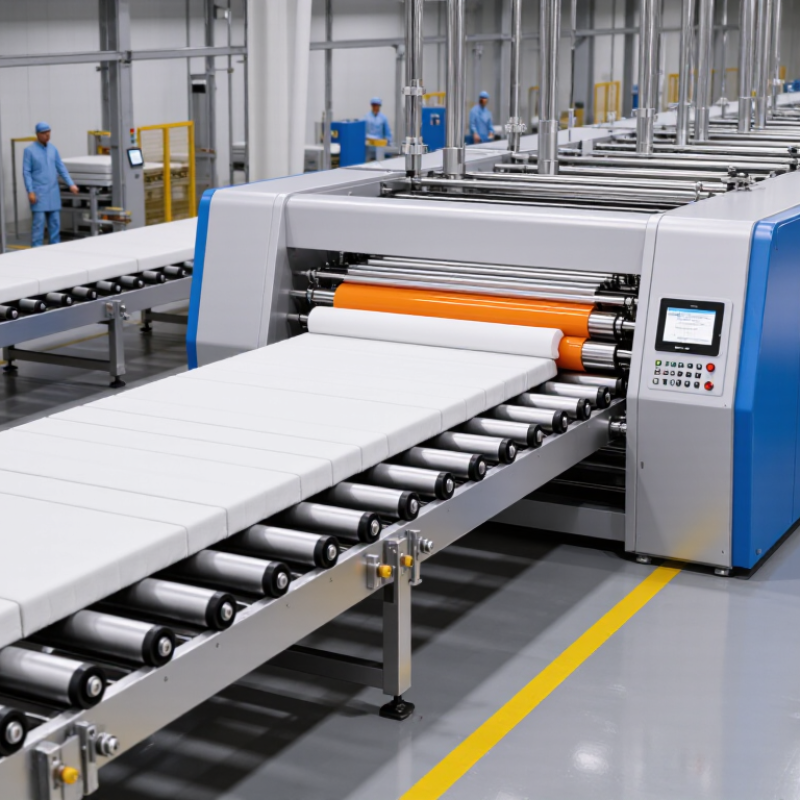
| Bond consistency | Applies and presses materials using controlled settings appropriate to the machine and adhesive system. | Can help produce more consistent bonds across laminated layers. | Inspect bond strength and delamination rates across production samples. | Results depend on adhesive type, material compatibility, surface condition, and process settings. |
| Layer alignment | Guides materials through the laminating process; feeding and alignment features vary by machine design. | Can reduce shifting and misalignment compared with less controlled handling. | Track alignment defects, edge variation, and material rework. | Correct setup and operator monitoring remain important, especially with flexible or compressible materials. |
| Pressure control | Uses rollers or a press mechanism to apply pressure during bonding. | Supports a more repeatable process when pressure is matched to the material stack. | Record pressure settings and check finished-product thickness and bond quality. | Excessive pressure can deform foam or other soft materials; suitable settings depend on the construction. |
| Production flow | Combines material feeding, bonding, and pressing into a dedicated production step. | May reduce manual transfers and streamline the lamination stage. | Compare cycle time, labor hours per batch, and work-in-process levels before and after installation. | Actual throughput depends on machine configuration, material handling, changeovers, and downstream capacity. |
| Product consistency | Allows operators to use documented process settings for repeat production runs. | Can improve repeatability between batches when materials and settings are controlled. | Review batch records, inspection results, and customer-return trends. | Stable results also require consistent incoming materials and routine equipment checks. |
| Material and adhesive compatibility | Can be configured for particular lamination methods and compatible material combinations. | Helps match the bonding process to the mattress components being produced. | Run documented trials for each material stack and adhesive combination. | Not every machine supports every adhesive, foam, fabric, or bonding method; verify specifications before purchase. |
| Quality control | Provides a defined process point where settings and finished material can be checked. | Supports earlier detection of bonding or alignment issues before further assembly. | Use in-process checks for bond integrity, appearance, dimensions, and defects. | Inspection criteria should reflect product requirements and applicable safety or quality standards. |
| Maintenance and operator readiness | Requires suitable setup, cleaning, inspection, and operator training for reliable operation. | Good maintenance practices can help limit avoidable interruptions and process variation. | Monitor scheduled maintenance completion, unplanned downtime, and operator training records. | Maintenance needs vary by equipment design and should follow the machine supplier’s instructions. |