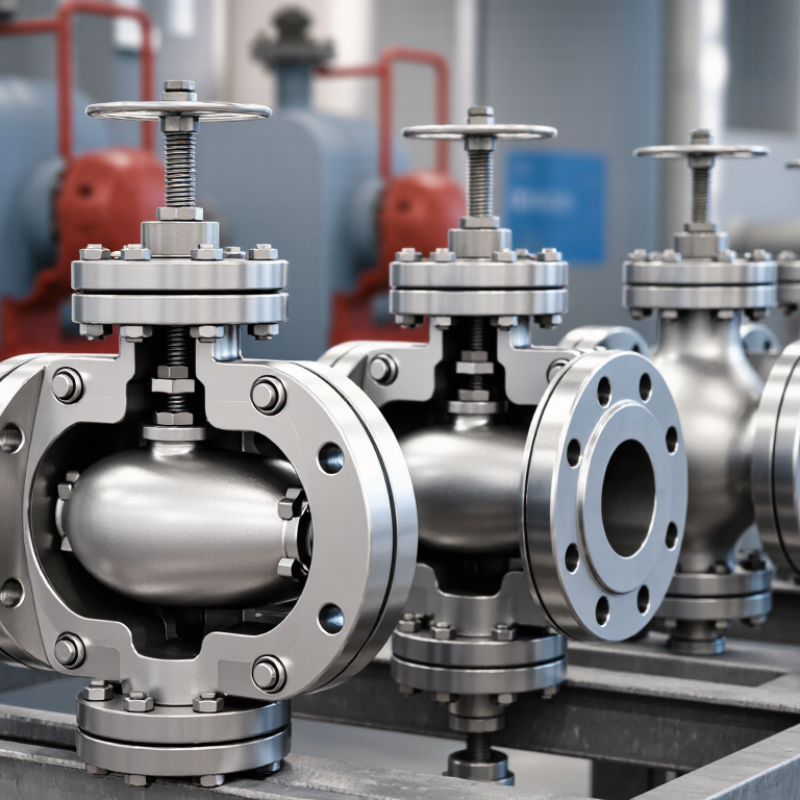
| Valve Type | Linear-motion globe valve with flanged end connections | It combines controlled flow regulation with a bolted, detachable connection suitable for permanent piping systems. |
| How It Works | A handwheel or actuator moves the stem and disc vertically toward or away from the seat. | The disc position changes the opening area, allowing the valve to stop, start, or regulate fluid flow. |
| Flow Path | The fluid changes direction inside the body and passes between the disc and seat. | The changing direction improves throttling control but creates more pressure loss than a fully open gate or ball valve. |
| Primary Function | Shutoff, throttling, and flow control | Globe valves are well suited to applications where flow must be adjusted frequently or accurately. |
| Flanged Connection | The valve is joined to the pipeline with matching flanges, gaskets, and bolting. | Flanges support straightforward installation, alignment, inspection, removal, and maintenance without cutting the pipe. |
| Common Pressure Classes | ASME Class 150, 300, 600, 900, 1500, and 2500 are commonly specified ranges; availability depends on design and size. | The selected pressure class must match the design pressure, temperature, flange standard, and applicable piping code. |
| Typical Sizes | Commonly manufactured in nominal pipe sizes from approximately NPS 1/2 to NPS 24, with larger sizes available for selected designs. | The actual size range depends on pressure class, body pattern, material, end standard, and service requirements. |
| Flow-Control Capability | Generally better throttling performance than gate valves because the disc position can be adjusted progressively. | This makes the design useful for steam, cooling water, process fluids, and other services requiring controlled flow. |
| Shutoff Performance | A properly selected and maintained valve can provide reliable shutoff; leakage performance depends on the seat design and applicable testing standard. | Seat material, surface finish, pressure differential, temperature, and maintenance all affect shutoff performance. |
| Pressure Drop | Typically higher than a full-bore gate or ball valve when open because of the internal flow path and seat arrangement. | Higher pressure loss should be considered when calculating pump head, energy consumption, and system capacity. |
| Operating Torque and Travel | The stem generally requires multiple turns for manual operation, while actuators provide controlled linear travel. | The operating method should be selected according to valve size, differential pressure, cycle frequency, and automation requirements. |
| Typical Body Materials | Carbon steel, stainless steel, ductile iron, cast iron, and alloy steels are used for different services. | Material selection must consider fluid compatibility, corrosion resistance, pressure, temperature, and mechanical loading. |
| Seat Options | Metal seats are common for high-temperature or abrasive service; resilient or engineered seats may be used where compatible. | The seat design influences leakage class, temperature capability, wear resistance, and maintenance intervals. |
| Installation Position | Many globe valves can be installed in horizontal or vertical piping, subject to the manufacturer’s flow-direction and actuator requirements. | Correct orientation helps prevent improper loading, reduces wear, and supports safe access for operation and maintenance. |
| Typical Applications | Steam systems, boiler feedwater, cooling water, chemical processing, oil and gas facilities, power plants, and industrial utilities. | The design is valuable where dependable isolation and repeatable flow adjustment are both required. |
| Main Advantages | Good throttling control, robust construction, accessible maintenance, and strong suitability for high-pressure services. | These features make a flanged globe valve a practical choice for demanding process and utility piping. |
| Main Limitations | Higher pressure loss, larger installation length than some valve types, and greater actuator force requirements in certain services. | A different valve design may be more efficient when minimum pressure drop, compact dimensions, or frequent full-bore flow is the priority. |