What Type of Packing Covers Are Best?
Choosing the right Packing Covers is not simply a matter of selecting the thickest material. A cover must match the product, storage conditions, handling method, and expected service life. A lightweight polyethylene cover may suit indoor pallets, while laminated or reinforced fabric may perform better outdoors. Details matter.
Packaging specialist Dr. Jay Singh offers a useful principle: “A package must protect the product, communicate value, and perform reliably.” This idea applies directly to Packing Covers. Protection includes more than blocking dust. Covers may need to resist rain, sunlight, abrasion, stretching, and repeated removal. In a busy warehouse, a poorly fitted cover can snag on pallets or tear against sharp corners. That small failure can expose equipment, furniture, or materials to moisture and dirt.
The best choice depends on actual conditions. Start with dimensions, weight, surface shape, and handling frequency. Then consider ventilation, fastening points, and cleaning requirements. Do not assume thicker always means stronger. Some heavy covers are difficult to install and may create unnecessary labor. Others look durable but fail around seams or eyelets.
There is room for judgment. No single cover works everywhere. A reusable PVC-coated cover may be dependable, yet excessive weight can reduce practicality. A breathable fabric cover may reduce condensation, but it may not stop heavy rain. This guide compares common Packing Covers by protection, durability, usability, and value, helping readers make a more informed choice.
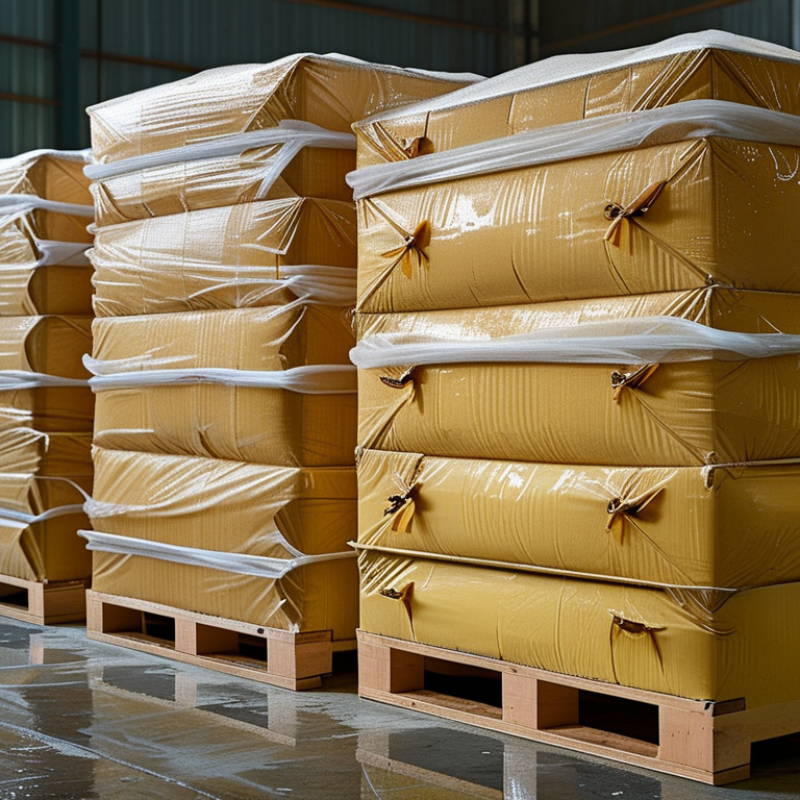
Packing Cover Types Classified by Material, Use, and Protection Level
What Type of Packing Covers Are Best?
Packing cover types are easiest to compare by material, use, and protection level. Polyethylene covers suit short-term storage and moving because they resist dust, light moisture, and rough handling. They are practical for boxed furniture or stacked supplies. However, thin plastic can tear against sharp corners.
Canvas covers offer stronger abrasion resistance. Their woven surface feels more dependable around timber, machinery, and workshop equipment. Some canvas covers include water-resistant treatments, but they are not always waterproof. A damp cover can trap moisture underneath. That detail is easy to miss.
Laminated fabric provides a useful middle option. It combines flexibility with better resistance to rain, oil splashes, and surface scuffs. These covers work well during transport or outdoor staging.
For delicate items, choose padded covers with foam or quilted layers. They reduce dents from vibration and accidental knocks. Breathable fabric may be safer for long storage, especially in changing temperatures. It helps reduce condensation, though it cannot correct a wet item packed inside.
Protection level should match the actual risk. Dust protection needs less material than impact protection. A light indoor cover may be enough for clean shelving, while outdoor transport needs sealed edges, strong fasteners, and reinforced corners.
Measure the item with its fittings attached. Covers that fit too tightly can split at the seams. Covers that are too loose may catch wind or slide during handling. There is no perfect choice; real conditions often expose weaknesses that a product sheet does not mention.
Selecting Cover Thickness Using ASTM D882 Tensile-Strength Data
What Type of Packing Covers Are Best?
Selecting Cover Thickness Using ASTM D882 Tensile-Strength Data
Choosing packing cover thickness should begin with the load, contact surface, and handling conditions. ASTM D882 provides useful tensile data for plastic films and thin sheets. It measures force, elongation, and sometimes tensile strength at break. These results help compare materials under controlled conditions.
Check both machine-direction and cross-direction values. Film can resist pulling well in one direction but perform poorly in the other. A 50-micrometre cover may suit clean, light packages with smooth edges. A thicker 100-micrometre cover may be safer around corners, repeated handling, or outdoor storage. Thickness alone is not protection. Tear resistance matters.
Use real test data.
During material reviews, I compare ASTM D882 results with the package’s actual weight and handling pattern. A strong film can still puncture when a sharp edge presses against it. Temperature also changes performance, especially in cold warehouses. Ask whether testing used conditioned samples, because moisture and temperature may affect the results. Test samples should match the proposed thickness, not a different laboratory grade.
A common mistake is selecting the highest tensile value without checking elongation. High strength with low stretch may cause sudden failure around a corner. I prefer a balanced result, supported by small-scale trials using the actual packing line. Record tearing, slipping, and seal damage. These observations may challenge the original specification.