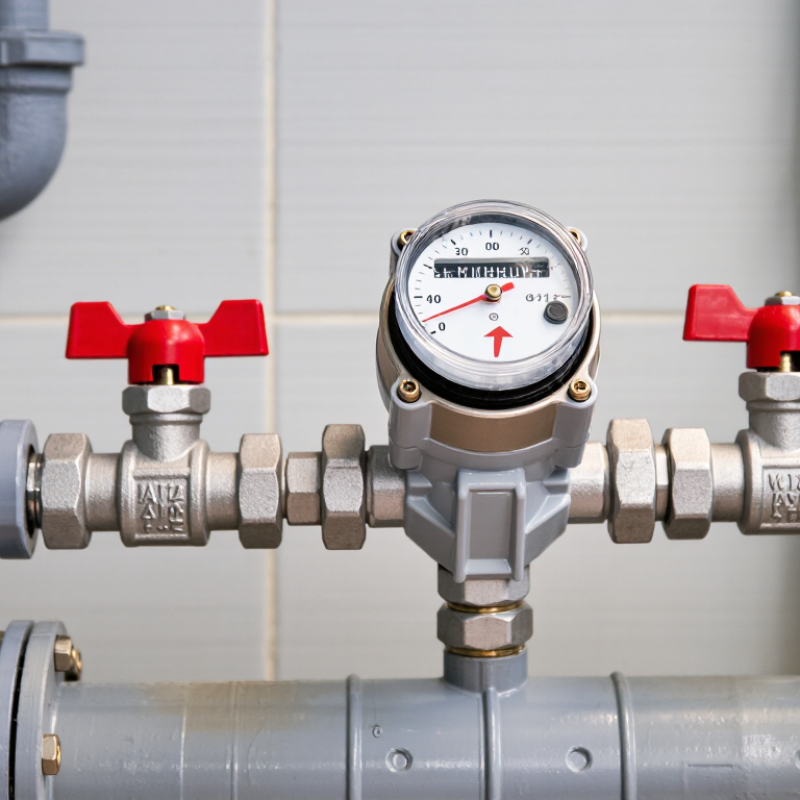
| What a valve water meter is | A water meter measures the volume of water passing through a service line. A meter assembly described as a “valve water meter” includes, or is installed with, a shutoff valve that can stop water flow for servicing or emergencies. | The meter measures consumption; the shutoff valve isolates the flow. A shutoff valve is not generally a substitute for a pressure regulator. |
| How measurement works | Depending on its design, a meter may measure flow using a moving measuring element or electronic sensing. The register accumulates the measured volume over time. | Check the meter’s markings or documentation for its measurement unit and reading instructions. Meter design and display layout vary. |
| Valve operation | A shutoff valve opens or closes the water passage. Common designs include quarter-turn ball valves and multi-turn valves. | Operate only an accessible customer-side valve that you are authorized to use. Do not force a stiff, damaged, or utility-controlled valve. |
| Installation location | Meters are commonly installed on the service line where they can be read and serviced, with the flow direction aligned to the arrow marked on the meter body. | Keep the register and shutoff valve accessible. Protect the assembly from impact, flooding, and freezing where applicable. |
| Orientation and pipe layout | Permitted mounting positions and any required straight pipe lengths depend on the meter model and installation conditions. | Follow the meter manufacturer’s instructions and local plumbing or utility requirements; do not assume every meter can be installed in any orientation. |
| Taking a meter reading | Record the displayed register value, including the unit. Mechanical registers may show fixed digits and fractional indicators; electronic registers may cycle through display screens. | Use the register’s labeled reading format. To estimate use over a period, subtract the earlier reading from the later reading and retain the same units. |
| Checking for possible leaks | With water-using fixtures and appliances turned off, note the register reading and check again after a suitable interval. A changing reading can indicate water use or a leak. | First account for automatic appliances, irrigation, and other intermittent uses. If unexplained movement continues, inspect visible plumbing or contact a qualified plumber or the water utility. |
| Routine visual checks | Look for visible dripping, corrosion, cracked fittings, a damaged display, or signs that the meter or valve has shifted. | Check periodically and after nearby plumbing work. Keep the area clear so the meter can be read and the valve reached safely. |
| Cleaning and maintenance | Keep the exterior clean and dry, and avoid striking the register or applying chemicals that could damage its materials. | Do not open, alter, or remove a sealed meter. Meter testing, internal repairs, and replacement should be handled by the responsible utility or a qualified professional. |
| Maintenance schedule | Inspection and service intervals vary with meter type, local requirements, and the water provider’s procedures. | Follow the manufacturer’s guidance and utility rules rather than relying on a universal service interval. |
| Freezing conditions | Water inside an exposed meter assembly or adjacent pipe can freeze and cause damage. | Use protection appropriate to the installation and local climate. Do not apply an open flame or intense direct heat to a meter or pipe. |