

How to Use Mortar Cement for Your DIY Projects?

Mortar cement is a crucial material for various DIY projects. Whether you're building a garden wall or repairing brickwork, it provides strength and stability. Using mortar cement can seem daunting, but with the right approach, it's manageable.

Start by understanding the properties of mortar cement. It binds bricks and stones together securely. This material is available in different formulations, depending on your project needs. Mixing the right ratio of cement, sand, and water is vital. Too much water can weaken the mixture, leading to future cracks.

Pay attention to the application process. Apply the mortar cement to the surface evenly and firmly. Remember, drying times vary, and working in extreme temperatures may affect the outcome. Embrace the learning curve as you experiment with different techniques and finishes. Mortar cement can be unforgiving, leading to mistakes along the way, but these make for valuable lessons. Refinement and practice will enhance your skills, turning DIY dreams into reality.

How to Use Mortar Cement for Your DIY Projects?

Understanding Mortar Cement: Types and Properties

How to Use Mortar Cement for Your DIY Projects?

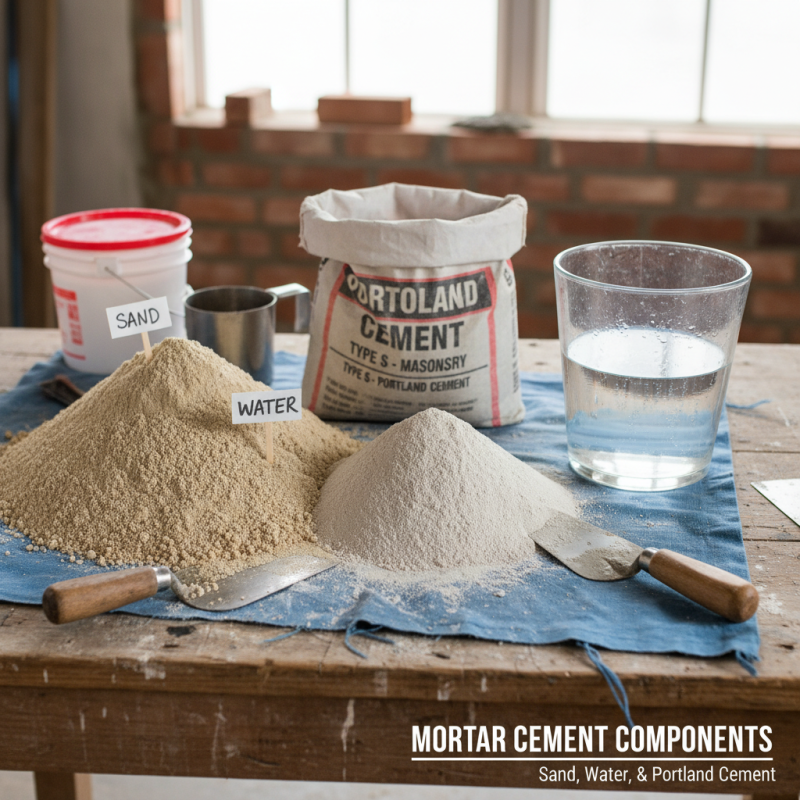
When considering mortar cement for your projects, it’s crucial to understand its types and properties. Mortar cement serves as a binding agent in masonry work. It is made up of a mixture of sand, water, and cement. The ratio of these components affects its strength and usability. According to industry reports, around 69% of masonry projects use Portland cement-based mortar due to its durability and adaptability.

There are several types of mortar cement, including Type M, S, and N. Type M offers high compressive strength, making it ideal for structural applications. Type S is useful for below-grade applications and has good tensile strength. Type N, with lower strength, is often used in non-load-bearing walls. Knowing the right type for your specific needs is essential. A common mistake is selecting a mortar type based only on availability, neglecting the project requirements.

The properties of mortar cement also vary. For instance, water retention capacity is critical. A higher water retention can lead to better workability and adhesion. Yet, some users may overlook this aspect. This can lead to failures, such as cracking or delamination. Understanding these properties can save time and ensure lasting results in your DIY endeavors.

Essential Tools and Materials for Working with Mortar Cement

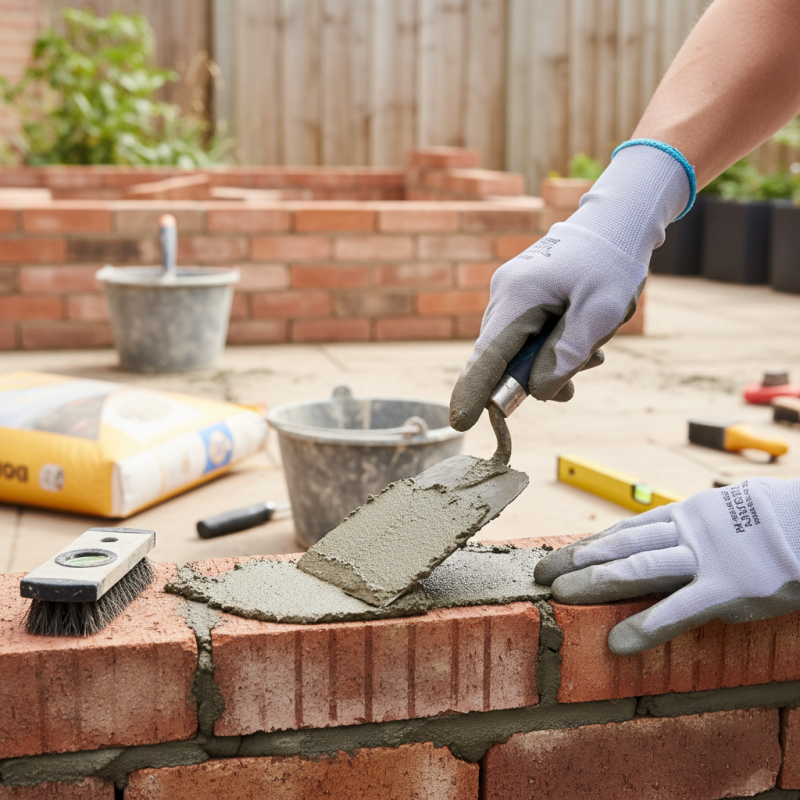
When working with mortar cement, having the right tools and materials is crucial for success. You'll need a mixing bucket, a trowel, and a level. A sturdy mixing paddle attached to a drill can also save time. A sponge and a jointing tool help achieve a neat finish. Wearing gloves is important to protect your hands from the cement's harsh components.

Be prepared to mix your mortar properly. The ideal consistency should be like peanut butter. If it’s too wet, it won’t hold. If it’s too dry, it won’t stick. It takes practice to get it just right. Don’t hesitate to adjust your mix as needed.

One tip is to have water nearby. You’ll need it to clean your tools and to adjust the mix. Keep a damp cloth handy for wiping your trowel. Remember, mistakes happen. If a section doesn't look right, it's often best to fix it while the mortar is still wet. Patience is key in DIY projects.

Step-by-Step Guide to Mixing Mortar Cement Properly

How to Use Mortar Cement for Your DIY Projects?

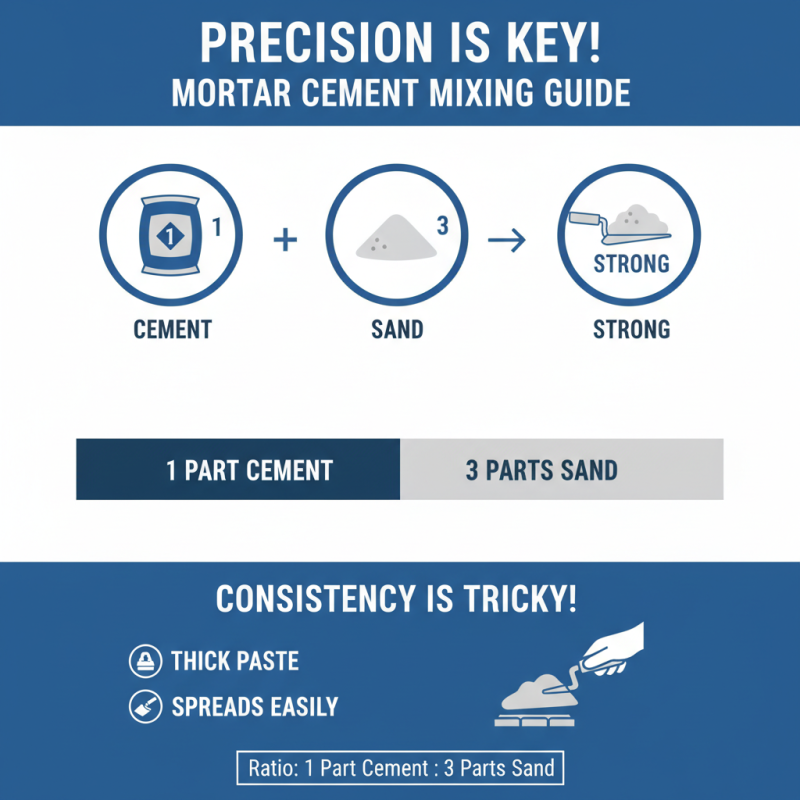
When mixing mortar cement, precision is key. A popular mix ratio is 1 part cement to 3 parts sand. This creates a strong bond for various projects. The right consistency can be tricky. Aim for a thick paste that holds shape, but still spreads easily.

Tips: Use clean, dry materials. Wet sand can alter your mix. If your mortar is too runny, it may weaken your structure. On the other hand, a mix that's too dry can crack over time.

Always measure your ingredients. A report from the American Concrete Institute indicates that improper mixing can lead to a 30% strength reduction. Mixing in small batches can help maintain quality. Work in manageable sections to avoid wasting materials. Remember, good mixing takes practice, and it’s okay to make mistakes along the way.

Application Techniques for Using Mortar Cement in Projects

Using mortar cement in DIY projects can be quite rewarding. The key is to apply the right techniques to ensure durability and aesthetics. One common approach is to mix the mortar properly. Combine dry cement, sand, and water until the consistency is thick but workable. A good test is to scoop some up with a trowel. If it holds its shape, you’re ready to go.

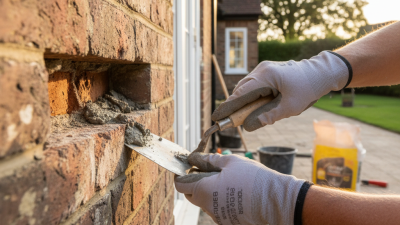
When applying mortar, use a trowel to spread it evenly. This is where precision matters. Work in small sections to avoid the mortar drying before you finish. Don’t rush; take your time to press the material into joints firmly. Sometimes, the mortar may not adhere as expected. This can happen due to surface conditions. If that’s the case, reconsider your surface preparation. Maybe it needs cleaning or even roughening.

It’s crucial to allow the mortar to cure properly. Cover it with a plastic sheet if necessary to retain moisture. However, be cautious. Overwatering can weaken the bond. Recognizing these nuances is part of the process. Learn from your experiences, and don’t be afraid to adapt your methods. Each project teaches something new.

Mortar Cement Usage in DIY Projects

Common Mistakes to Avoid When Working with Mortar Cement

When working with mortar cement, beginners often face common pitfalls. Mixing mortar too dry or too wet is a frequent error. A dry mix leads to weak bonds, while a too-wet mix can cause slumping. Finding the right consistency is essential. Aim for a thick peanut butter texture. This will ensure the mortar holds up in your DIY projects.

Another common mistake is improper application. Rushing the process can lead to uneven layers. Always take your time to spread the mortar evenly. Pay attention to corners and edges. Also, avoid overworking the material. This can weaken the final product. A little patience will yield a better finish.

Lastly, don’t forget about curing time. Some people finish their projects quickly, thinking they’re done. Mortar needs time to set properly. This is vital for durability. Plan your project with this in mind. Reflecting on these points will improve your mortar cement skills significantly.

How to Use Mortar Cement for Your DIY Projects? - Common Mistakes to Avoid When Working with Mortar Cement

Common Mistakes Description Recommendation
Incorrect Mixing Ratio Using too much water or too little can weaken the mortar. Always follow the manufacturer's instructions for mixing.
Not Allowing for Curing Time Rushing the drying process can lead to cracks. Be sure to cure the mortar properly before heavy use.
Using Old Mortar Mix Expired mortar can lose its bonding properties. Check expiration dates and use fresh mix for best results.
Neglecting Surface Preparation Dirt or debris can prevent proper adhesion. Clean surfaces thoroughly before applying mortar.
Not Using Enough Mortar Insufficient mortar can lead to weak joints. Apply a generous amount to ensure strong bonding.
Find the Right Repair Product for Your Project

Need to find the most appropriate product for the needs of your project? We can help because we have over 70 years of experience servicing the industry with every kind of project, from Do-it-yourself projects to large skyscrapers. Package Pavement has the experience, the knowledge and the products to help every project succeed.

Quikrete Repair Products
Legend
Package Pavement has two convenient locations in Stormville, NY (Dutchess County) and Ravena, NY (Greene County) to serve the Northeastern Region with bagged concrete, blacktop, mortar, and repair products. This map gives a general idea of where we service and the product lines we offer.
Package Pavement Products
Quikrete Products
Spec Mix Products
map

Our Brands Websites