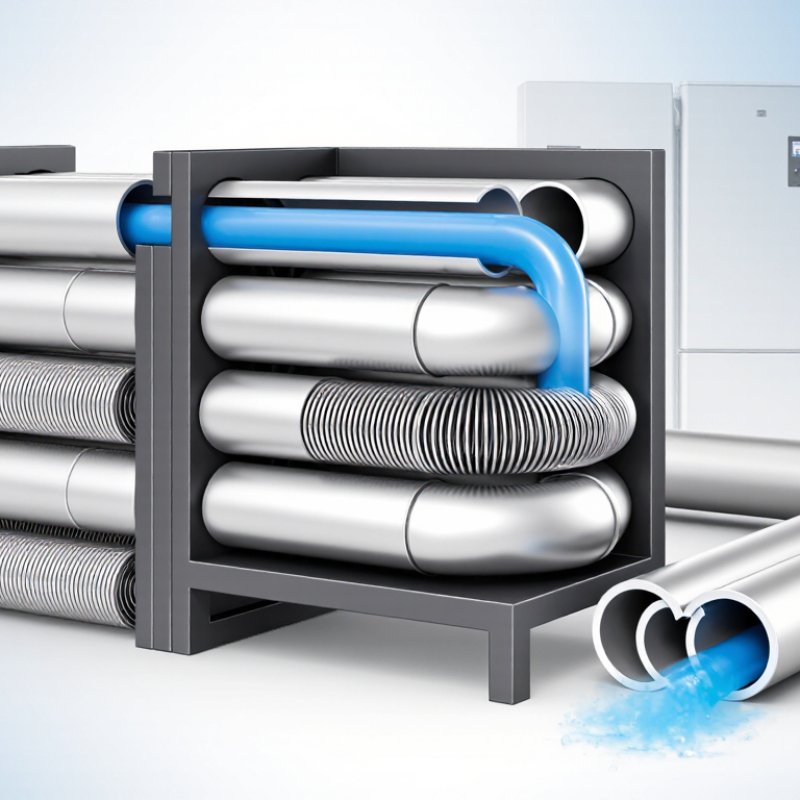
| Basic design | An evaporator is the part of a refrigeration system where refrigerant absorbs heat as it evaporates. An aluminum tube evaporator uses aluminum tubing, often combined with fins, to transfer heat between the refrigerant and the surrounding air or fluid. | Aluminum components can provide a practical balance of low weight, heat-transfer capability, and material cost. | Performance depends on the complete design, including tube dimensions, fin spacing, airflow, refrigerant, and operating conditions—not just the tube material. | Keep the unit’s air passages clear and check that fans, drains, and controls operate as specified for the equipment. |
| Heat transfer | Heat passes through the tube wall from the warmer air or fluid to the colder refrigerant inside the evaporator. | Aluminum conducts heat well and can be formed into lightweight heat-exchanger components. | Actual heat-transfer performance also depends on surface area, airflow, frost buildup, refrigerant distribution, and system design. | Remove dust and debris using cleaning methods approved for the coil. Avoid bending fins, which can restrict airflow. |
| Weight and handling | Aluminum is less dense than copper, so aluminum tubing and components can help reduce heat-exchanger weight. | Lower component weight can make handling and installation easier and may reduce the weight of the overall assembly. | Thin-walled tubing and fins can be vulnerable to dents or mechanical damage during shipping, installation, or cleaning. | Use suitable lifting and handling practices. Protect tubing and fins from tools, impact, and excessive contact. |
| Corrosion behavior | Aluminum forms a naturally occurring oxide layer that can help protect its surface in many environments. | It can perform well when the alloy, surface treatment, and operating environment are appropriately matched. | Corrosion resistance is not universal. Moisture, salts, some chemicals, and contact with dissimilar metals in a conductive environment can increase corrosion risk. | Inspect for corrosion, damaged coatings, and persistent moisture. Use only cleaners and protective treatments approved for the specific coil. |
| Refrigerant and system compatibility | The tubing, joints, lubricant, refrigerant, and other system materials must be compatible as part of the complete refrigeration circuit. | A correctly engineered aluminum evaporator can be used in systems designed for its materials and operating conditions. | Not every aluminum coil is suitable for every refrigerant, pressure range, lubricant, or connection method. Compatibility must be confirmed from the equipment specifications. | Use the specified refrigerant and follow the equipment manufacturer’s service procedures. Do not assume that components are interchangeable. |
| Pressure and mechanical loading | The evaporator must withstand its rated operating pressure, temperature changes, vibration, and installation loads. | A properly designed and tested assembly can provide reliable service within its rated limits. | Pressure capacity depends on the specific design, alloy, wall thickness, joints, and manufacturing quality; it cannot be inferred from the material alone. | Do not exceed the unit’s rated limits. Have pressure testing and leak checks performed by qualified personnel using approved procedures. |
| Cleaning and airflow | Dust, grease, and other deposits on the air-side surface can reduce airflow and heat transfer. | Routine inspection and suitable cleaning can help maintain airflow and operating efficiency. | Strong chemicals, high-pressure water, or rough brushing may damage aluminum surfaces, fins, coatings, or joints. | Follow the equipment instructions. Isolate power where required, use a non-damaging cleaning method, and keep drain paths clear. |
| Frost and defrost | Moisture can freeze on a cold evaporator surface when operating conditions allow frost to form. | Correct airflow and a properly functioning defrost system help the evaporator maintain its intended heat-transfer performance. | Excessive frost can restrict airflow and reduce capacity. Defrost requirements vary by application and control strategy. | Check for unusual frost patterns and confirm that defrost controls, heaters or other defrost equipment, and drains function as designed. |
| Leak detection and repair | A leak can result from corrosion, vibration, impact, a defective joint, or other damage. | Prompt diagnosis can limit refrigerant loss and help prevent further system problems. | Repairing aluminum tubing generally requires appropriate materials, equipment, and technician skill. Some damage may require component replacement rather than repair. | Have suspected leaks handled by a qualified refrigeration technician. Do not use unapproved sealants or attempt repairs on a charged system. |
| Inspection schedule | Inspection frequency depends on the application, operating environment, equipment instructions, and service requirements. | Regular checks can identify blocked airflow, corrosion, physical damage, unusual frost, or drainage problems early. | A single fixed interval is not appropriate for every installation, especially where dust, grease, salt, or moisture levels differ. | Follow the equipment’s maintenance schedule and adjust inspections to operating conditions. Record findings and any corrective work. |