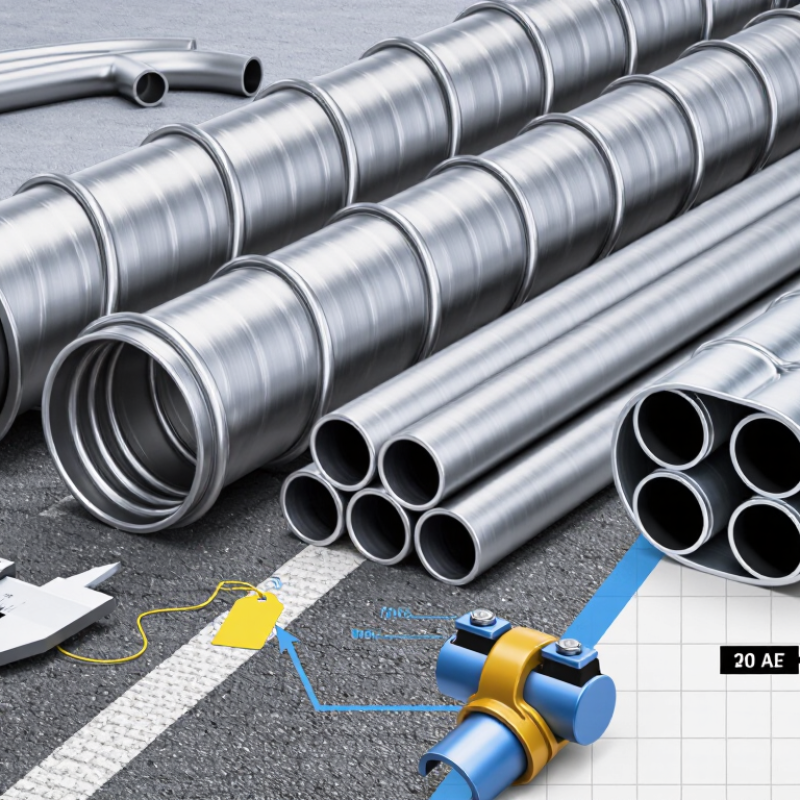
Choosing the right welded pipe starts with service conditions, not catalogue diameter. ERW pipe suits many low- and medium-pressure water, structural, and mechanical applications. Longitudinal submerged arc welded pipe offers thicker walls for demanding transmission lines. Spiral welded pipe can provide large diameters efficiently, especially for water infrastructure. The weld is only one part of the decision.
Review the fluid, pressure, temperature, corrosion exposure, and installation method. A 24-inch water line buried in wet soil needs different protection from a steam line inside a plant. Specify wall thickness using the design code, not a visual estimate. Check yield strength, toughness, weld inspection, hydrostatic testing, and traceable mill certificates. ASTM, API, ISO, and regional standards may differ in testing requirements, so the project specification should name the exact edition.
Market context also matters. The World Steel Association’s October 2024 Short Range Outlook forecast global steel demand at about 1.77 billion tonnes in 2025. That scale does not guarantee consistent pipe quality. Buyers should verify heat numbers, coating thickness, ovality, and end preparation before shipment. Independent inspection is useful for critical lines. It is not excessive paperwork.
A practical mistake is comparing price per metre alone. Calculate total installed cost, including coating, welding, transport, supports, and future maintenance. I would also question unusually short delivery promises. They may reflect stock availability, or weaker inspection. The safest choice balances code compliance, operating life, supplier evidence, and realistic project risks.