China Top Solar Charge Controller Suppliers What to Consider?

In the expanding world of renewable energy, the Solar Charge Controller plays a vital role. This device enhances solar energy efficiency by regulating the charging of batteries. Choosing the right supplier is crucial for any solar project. However, many options exist, making the selection process challenging.

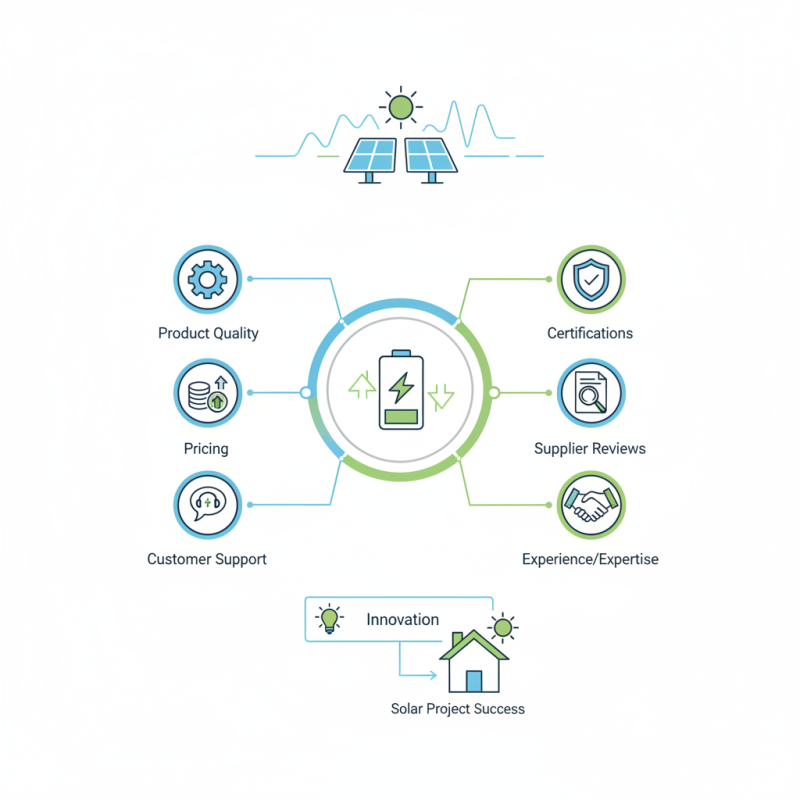
Factors to consider include product quality, pricing, and customer support. A reliable Solar Charge Controller can significantly influence the longevity and performance of your solar system. Look for suppliers with proven experience and expertise in the industry. The best suppliers are those who prioritize innovation and adhere to industry standards.

Analysis of supplier reviews can provide insights into performance. Trustworthy suppliers often showcase certifications that underline their commitment to quality. It is important to reflect on past experiences with suppliers. Have they met your expectations? Addressing these questions can help in making a more informed decision.

China Top Solar Charge Controller Suppliers What to Consider?

Types of Solar Charge Controllers Available in China

Solar charge controllers are essential for managing energy from solar panels. In China, various types are available. Each type serves different needs and applications. Choosing the right one is crucial for system efficiency.


PWM (Pulse Width Modulation) controllers are common. They are cost-effective and easy to use. These have simple designs that suit small solar setups. However, they might not be efficient for larger systems.


MPPT (Maximum Power Point Tracking) controllers are more advanced. They optimize energy production, making them ideal for bigger installations. Yet, they come at a higher cost and require careful installation.


Battery-based solar systems also use hybrid controllers. These provide flexibility, allowing for multiple energy sources. They can combine solar, grid, and wind energy. Users must consider compatibility with batteries and other devices. As technology evolves, newer systems emerge. Staying updated can be challenging but necessary.

Key Features to Look for in Solar Charge Controllers

In the solar power industry, selecting a solar charge controller is crucial for optimizing energy efficiency. Key features should include maximum power point tracking (MPPT) technology, which enhances the system's energy capture. A recent report by the Solar Energy Industries Association (SEIA) states that MPPT can increase daily energy yield by up to 30%.

Battery compatibility is another important consideration. Different types of batteries—lead-acid, lithium-ion, or gel—each have unique charging requirements. Ensuring your controller supports these can prevent potential damage. Many suppliers highlight this compatibility, but checking specifications is your responsibility.

Tip: Before purchasing, assess whether the controller has temperature compensation features. This adjustment helps in extending battery lifespan, catering to varying environmental conditions.

Moreover, the interface of the controller matters. Some controllers provide comprehensive displays with real-time data, while others may be more basic. This affects usability and monitoring. A complex interface may look impressive but can be overwhelming for users. Think how often you will check the display and what data is truly necessary for your needs.

Reputable Manufacturers and Suppliers in China's Market

In the realm of solar charge controllers, selecting reputable manufacturers in China is crucial. Buyers should scrutinize supplier backgrounds. Long-standing experience in the solar industry often correlates with product reliability and quality. Look for companies with a well-established track record. They typically provide robust warranties and support.

Assessing certifications is equally important. Genuine manufacturers will have certifications that comply with international standards. This certification indicates their commitment to quality. Another aspect to consider is customer feedback. Reviews can reveal a lot about a company’s reliability and the performance of their products. Checking multiple sources for these reviews ensures a well-rounded view.

Finally, consider the range of products offered. A supplier with a diverse portfolio showcases expertise. However, be wary of those with an overwhelming array of options. This might indicate a lack of focus on quality. It’s essential to evaluate whether a supplier prioritizes innovation alongside customer needs. Thoughtful consideration of these factors can lead to a more informed purchasing decision.

Evaluating Performance and Efficiency Metrics

When evaluating solar charge controllers in China, performance and efficiency metrics are crucial. Solar charge controllers manage energy flow between the solar panels and batteries. Their efficiency directly impacts system sustainability. According to recent industry reports, the efficiency rates of leading models range from 90% to over 98%. These figures reflect the energy lost during conversion and storage processes, which is vital for maximizing solar energy utilization.

Temperature coefficients also play a key role in performance. Most controllers experience efficiency losses at extreme temperatures. A report from the International Renewable Energy Agency highlights that temperature fluctuations can reduce performance by up to 10%. This is a significant factor for applications in varied climates. As temperatures rise, a lack of thermal management can lead to increased inefficiencies.

Another critical metric is the maximum power point tracking (MPPT) capability. Controllers with advanced MPPT can harvest more energy by adjusting parameters in real-time. This may result in energy savings of 15% to 25% compared to traditional controllers. However, not all models deliver consistent performance across various solar inputs. Buyers should consider these nuances carefully before making a decision.

Performance and Efficiency Metrics of Solar Charge Controllers

Cost Considerations and Budgeting for Solar Charge Controllers

When considering solar charge controllers, budgeting is key. The upfront cost can vary greatly. Factors include controller type, brand quality, and features. A basic PWM controller will generally be less expensive than an MPPT controller. However, the latter offers higher efficiency and better performance in many conditions. Investing in an efficient model can lead to long-term savings.

It’s essential to balance cost with quality. A cheaper controller may save money initially, but it may not last as long or perform as well. Research is crucial. Look for reviews and specifications that highlight durability and efficiency. Some buyers overlook the importance of matching their solar system's configuration with the controller’s capabilities. Underestimating this may lead to wasted resources.

Don’t forget about installation costs. This can add significantly to your budget. A professional installation might ensure better functionality. However, if you're experienced, you might opt for a DIY approach to save funds. Always factor in these hidden costs when planning your purchase. Budgeting effectively requires foresight and careful planning to ensure you select a reliable solar charge controller.

Find the Right Repair Product for Your Project

Need to find the most appropriate product for the needs of your project? We can help because we have over 70 years of experience servicing the industry with every kind of project, from Do-it-yourself projects to large skyscrapers. Package Pavement has the experience, the knowledge and the products to help every project succeed.

Quikrete Repair Products
Legend
Package Pavement has two convenient locations in Stormville, NY (Dutchess County) and Ravena, NY (Greene County) to serve the Northeastern Region with bagged concrete, blacktop, mortar, and repair products. This map gives a general idea of where we service and the product lines we offer.
Package Pavement Products
Quikrete Products
Spec Mix Products
map

Our Brands Websites