| Quality management | Current ISO 9001 certificate showing the certified legal entity, site, scope, and validity dates. | The certificate covers the facility and activities involved in manufacturing or assembling the offered generator set. | Check the certificate with its issuing certification body or accreditation records; confirm that the factory address and scope match the supplier’s claims. |
| Product conformity | Applicable test reports, conformity declarations, and supporting technical documents for the exact model and configuration. | Documents identify the offered model and match its engine, alternator, control system, enclosure, and rated output. | Compare model numbers and ratings across the quotation, nameplate draft, test report, and shipping documents. Confirm destination-market requirements before ordering. |
| Electrical performance | Factory test results for voltage, frequency, power, protective functions, and operation under load; request the stated ISO 8528 performance class where specified. | Test conditions and results are clearly recorded, and the proposed rating is suitable for the site’s load and operating conditions. | Agree on the test procedure and acceptance criteria in the purchase contract. Arrange a witnessed factory test for critical projects. |
| Noise performance | Noise-test report stating the measurement method, distance, operating load, test environment, and result in dB(A). ISO 8528-10 addresses measurement of airborne noise from reciprocating internal-combustion engine-driven generating sets. | The reported result is tied to a defined test setup; “silent” or “super silent” alone is not a measurable specification. | Specify the acceptable noise limit and measurement conditions in writing. Check local site rules and compare only results measured under comparable conditions. |
| Emissions and destination rules | Engine emissions documentation applicable to the destination, engine power category, and installation type. | Compliance is assessed against the regulations that apply at the installation site; requirements can differ by jurisdiction and application. | Confirm requirements with the local authority or project consultant before selecting the engine. Do not treat a general certificate as proof of compliance in every market. |
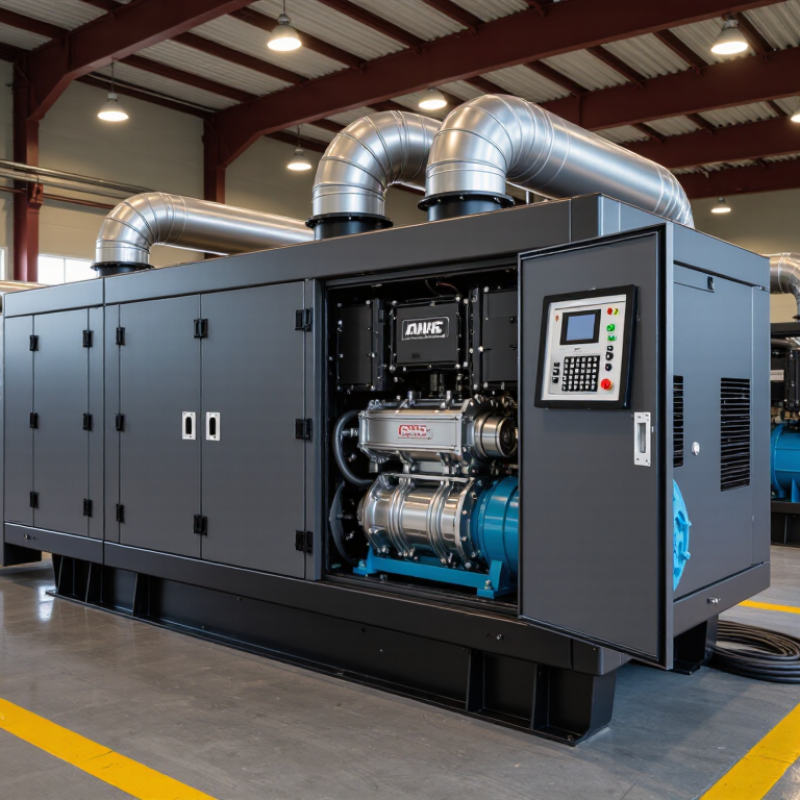
| Build quality and configuration | Bill of materials or configuration sheet, component specifications, enclosure details, and production photographs or inspection records. | The supplied set matches the agreed rating and options, including cooling, fuel system, starting system, controls, weather protection, and acoustic enclosure. | Record make-independent component specifications and approved substitutions in the contract. Inspect the finished unit and nameplate before dispatch. |
| Factory testing and traceability | Serial-number-linked inspection and test records, including the final functional test and any agreed load test. | Records can be traced to the actual generator set being shipped rather than only to a similar model or sample. | Request copies before shipment and match serial numbers, ratings, and test records during pre-shipment inspection. |
| Warranty terms | Written warranty covering duration, start date, covered parts and labor, exclusions, claim process, and responsibility for transport or travel costs. | Terms are specific to the application and destination and clearly distinguish warranty coverage from routine maintenance. | Put the complete warranty terms in the signed contract; confirm who handles claims locally and what documentation is required. |
| After-sales support and spare parts | Service contact details, response process, parts list, recommended initial spares, and written information on parts availability and dispatch arrangements. | The supplier can explain how technical issues are handled and how commonly needed parts can be identified and ordered. | Ask for support hours, escalation contacts, typical response commitments, and a parts quotation. Verify local service arrangements independently. |
| Export and delivery readiness | Confirmed scope of supply, packing details, shipping documents, delivery terms, and a schedule covering production and inspection milestones. | Responsibilities for transport, export documentation, installation, commissioning, and taxes are clearly allocated. | Use a written purchase contract that defines the delivery term, required documents, inspection rights, and remedies for non-conforming goods or delays. |
| Overall supplier assessment | Completed document review, reference checks where available, and a model-specific technical and commercial comparison. | Selection is based on verifiable evidence and total project suitability, not price or “silent” claims alone. | Recommended: verify before purchase
Treat certificates, performance data, and service commitments as items to validate for the specific supplier and generator configuration. |