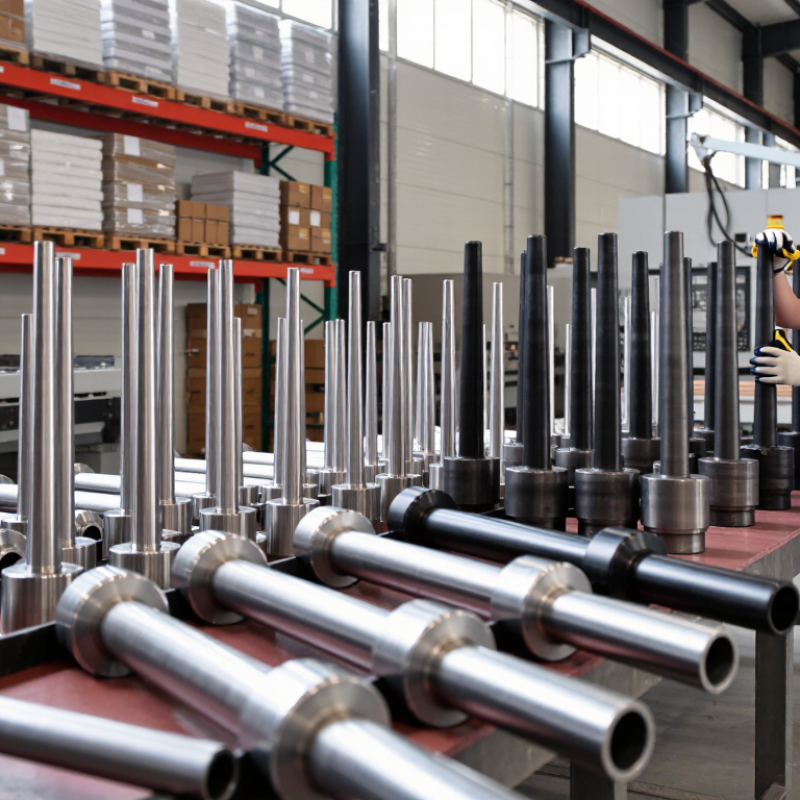
| Tube and bar cutting with CNC drilling | Stainless steel 304 or 316; carbon steel; aluminum alloys | Material cutting, CNC drilling or slotting, end preparation, deburring, assembly, and surface finishing | Suitable for straight round, square, or rectangular balusters used in indoor and outdoor railing systems | ASTM A276 or EN 10088 for stainless steel bars; ASTM A240 or EN 10088 for stainless sheet; ASTM B221 or EN 755 for aluminum extrusions | Dimensional inspection, hole-position accuracy, straightness, burr removal, material certificates, and verification of alloy grade |
| Tube laser cutting | Stainless steel, galvanized steel, mild steel, and aluminum | CAD programming, laser cutting, piercing, contour cutting, deburring, and optional welding or coating | Well suited to decorative patterns, repeated openings, precise connection slots, and customized architectural designs | ISO 9013 for thermal-cut edge quality; EN 10204 for inspection documents; applicable base-metal specifications for the selected alloy | Cut-edge quality, heat-affected zones, hole and slot dimensions, repeatability, warpage, and protection against sharp edges |
| Cold forming and roll forming | Carbon steel, stainless steel, and aluminum sheet or strip | Sheet slitting, roll forming or press forming, sizing, cutting to length, end finishing, and coating | Efficient for uniform profiles, square sections, channels, and high-volume railing components | EN 10143 for continuously coated steel tolerances; EN 10088 for stainless steel; ASTM A653 for galvanized steel sheet where specified | Profile dimensions, wall thickness, twist, surface cracking, coating continuity, and consistency between production batches |
| Extrusion | Aluminum alloys commonly used for architectural profiles, including 6063-series alloys | Billet heating, die extrusion, stretching or straightening, cutting, heat treatment where required, and finishing | Suitable for lightweight hollow profiles, continuous handrail systems, and modular baluster components | ASTM B221 for aluminum extruded bar, rod, wire, profile, and tube; EN 755 for extruded aluminum dimensions and tolerances | Alloy and temper verification, wall-thickness measurement, dimensional tolerances, straightness, surface condition, and finish adhesion |
| Forging and hot forming | Carbon steel, stainless steel, and selected aluminum alloys | Heating, die or open-die forming, trimming, machining, heat treatment where required, and surface finishing | Appropriate for high-strength connectors, ornamental elements, brackets, and baluster parts with formed details | Material requirements are normally specified by the applicable steel or aluminum grade standard; EN 10204 may be used for material inspection documentation | Forging laps, cracks, incomplete filling, dimensional accuracy, hardness where specified, and traceability of the heat or batch |
| Investment casting or sand casting | Stainless steel, carbon steel, ductile iron, and aluminum alloys | Pattern production, mold preparation, metal pouring, shakeout, fettling, machining, and finishing | Useful for complex ornamental balusters, flanges, collars, finials, and connection components | ASTM A743 or ASTM A744 may apply to specified corrosion-resistant castings; EN 10283 covers corrosion-resistant steel castings where applicable | Visual examination, radiographic or penetrant testing when specified, porosity control, dimensional inspection, and machining accuracy |
| MIG, TIG, or robotic welding | Stainless steel, carbon steel, galvanized steel after suitable preparation, and aluminum | Joint preparation, fixture alignment, welding, weld cleaning, grinding where required, inspection, and final finishing | Suitable for fabricated frames, welded posts, handrail connections, custom assemblies, and welded decorative structures | ISO 3834 for quality requirements in fusion welding; ISO 5817 for quality levels of imperfections in steel, nickel, titanium, and their alloys | Weld size, penetration, alignment, cracks, undercut, porosity, discoloration, spatter, and evidence of qualified welding procedures where required |
| Hot-dip galvanizing | Carbon steel and low-alloy steel components | Degreasing, pickling, fluxing, zinc immersion, cooling, inspection, and removal of excess zinc | Recommended for steel balusters exposed to moisture, exterior environments, and infrastructure applications | ISO 1461 for hot-dip galvanized coatings on fabricated iron and steel articles; ASTM A123/A123M may apply in North American specifications | Coating appearance, coating thickness, bare spots, uncoated drainage areas, venting provisions, adhesion, and dimensional impact from zinc buildup |
| Powder coating | Steel, galvanized steel, aluminum, and stainless steel with compatible pretreatment | Cleaning, chemical pretreatment, drying, electrostatic powder application, oven curing, cooling, and inspection | Provides decorative color options and an additional protective finish for interior and exterior railing products | ISO 8130 series for powder-coating test methods; ISO 12944 can support corrosion-protection system selection for steel structures | Color and gloss consistency, dry-film thickness, adhesion, cure condition, edge coverage, impact resistance, and surface contamination |
| Brushed, satin, or mirror polishing | Stainless steel, aluminum, and selected nonferrous alloys | Grinding, abrasive finishing, polishing, cleaning, passivation where applicable, and protective packaging | Preferred for visible architectural balusters where appearance, cleanability, and corrosion resistance are important | ASTM A967 or ASTM A380 may be referenced for stainless-steel chemical passivation and cleaning practices | Surface uniformity, scratch direction, weld discoloration, free-iron contamination, roughness where specified, and protection from handling damage |
| Mechanical fastening and modular assembly | Stainless steel, aluminum, galvanized steel, and combinations of compatible metals | Cutting, drilling, tapping, insertion of fasteners, torque-controlled assembly, and final alignment | Useful for site-installable systems, replaceable balusters, adjustable connections, and reduced on-site welding | Fastener requirements may reference ISO 898-1 for carbon-steel fastener mechanical properties or ISO 3506 for stainless-steel fasteners | Fastener grade, thread engagement, torque, galvanic-corrosion isolation, joint movement, alignment, and pull-out or load testing where specified |