| High-Visibility Safety Vest | ANSI/ISEA 107 Type R or Type P; EN ISO 20471 Class 1 or 2 | Road work, construction, logistics, warehouse operations, event control | Fluorescent background fabric with reflective bands around the torso and shoulders | Usually none; lightweight mesh versions improve airflow | Low shipping volume, easy size allocation, color fastness, closure durability, compatibility with local compliance rules |
| High-Visibility T-Shirt or Polo Shirt | ANSI/ISEA 107 Type R or Type P; EN ISO 20471 Class 2 when certified | Warm-weather construction, utilities, transport, facility maintenance | Fluorescent knitted fabric, segmented or continuous reflective tape, optional contrast panels | Limited; breathable and moisture-management fabrics are often preferred | Fabric weight, wash durability, odor control, wearer comfort, tape flexibility, regional climate suitability |
| High-Visibility Long-Sleeve Shirt | ANSI/ISEA 107 Type R or Type P; EN ISO 20471 Class 2 | Outdoor work, traffic management, rail-related support work, utility services | Fluorescent body fabric with torso, sleeve, and shoulder reflective elements | Light protection from sun and wind; not normally waterproof | Sleeve visibility, cuff design, fabric breathability, seam strength, shrinkage control, certification scope |
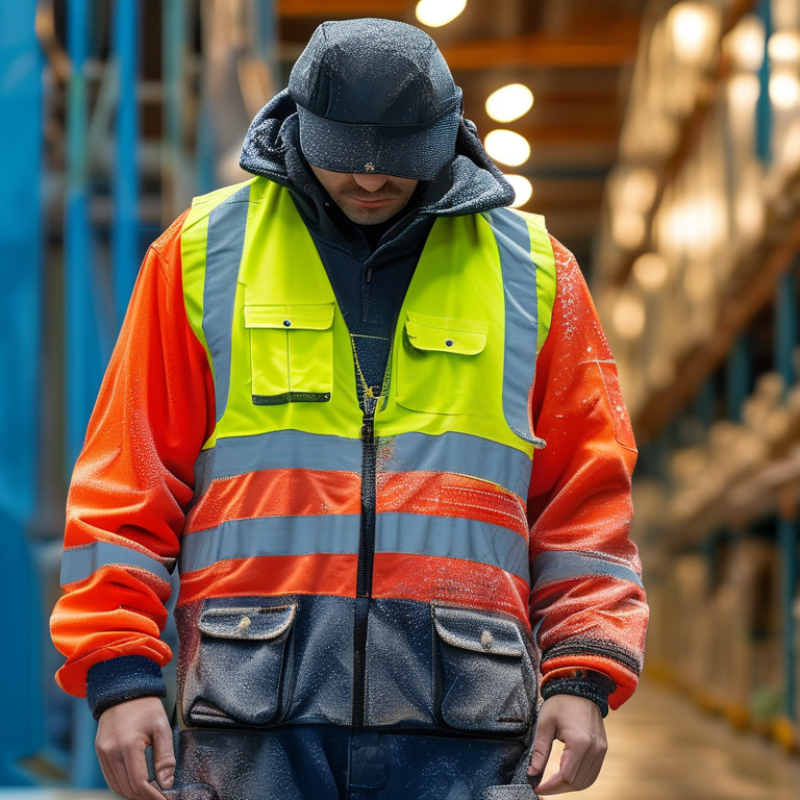
| High-Visibility Jacket | ANSI/ISEA 107 Type R or Type P; EN ISO 20471 Class 2 or 3 | Construction, highways, airports, ports, emergency and utility operations | Fluorescent outer shell with reflective torso, sleeve, and shoulder bands | Wind-resistant options; waterproof models may use coated or laminated fabrics | Waterproof rating, breathability, insulation, hood design, pocket placement, packability, temperature range |
| High-Visibility Rainwear | ANSI/ISEA 107 Type R or Type P; EN ISO 20471 Class 2 or 3 | Wet-weather road work, outdoor logistics, marine and utility operations | Fluorescent waterproof shell with reflective bands positioned for 360-degree recognition | Water-resistant or waterproof construction; sealed seams are used for higher protection | Hydrostatic resistance, seam sealing, breathability, lining, storage volume, performance after repeated washing |
| High-Visibility Work Trousers | ANSI/ISEA 107 Type R or Type P; EN ISO 20471 Class 2 or 3 | Road maintenance, construction, rail support, warehouse and outdoor service work | Fluorescent leg panels with reflective bands around the lower legs | Available in water-resistant, insulated, or lightweight versions | Knee reinforcement, tool pockets, mobility, waist adjustment, abrasion resistance, inseam range, laundering requirements |
| High-Visibility Coverall | ANSI/ISEA 107 Type R or Type P; EN ISO 20471 Class 3 for higher-risk applications | Industrial maintenance, utilities, construction, transport and infrastructure projects | Integrated fluorescent upper and lower garment with reflective torso, sleeve, and leg bands | Can include windproof, water-resistant, insulated, or flame-resistant configurations | Full-body visibility, fit range, zipper reliability, garment weight, hazard-specific certifications, repairability |
| High-Visibility Fleece or Softshell | ANSI/ISEA 107 Type R or Type P; EN ISO 20471 Class 2 or 3 depending on design | Cold-weather outdoor work, logistics yards, utilities, site supervision | Fluorescent thermal fabric with reflective chest, back, sleeve, or torso bands | Warmth and wind resistance; softshell versions may provide light rain protection | Thermal weight, pilling resistance, layering compatibility, zipper quality, drying time, seasonal demand |
| High-Visibility Accessories | Product-specific; must not be assumed to provide full garment compliance | Cycling, pedestrian safety, traffic control, warehouse identification, short-duration tasks | Reflective bands, armbands, belts, backpack covers, helmet covers, or detachable panels | Usually limited; weather resistance depends on the accessory type | Easy adjustment, compact packaging, attachment security, nighttime reflectivity, intended-use labeling, visibility limitations |