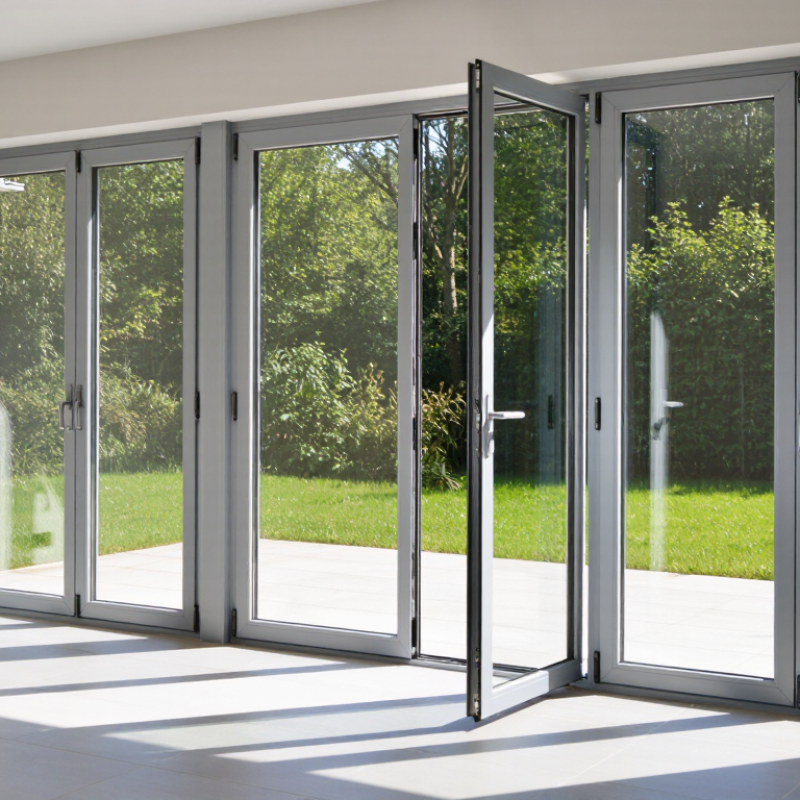
For global buyers, comparing aluminum sliding glass door suppliers takes more than reviewing a catalog. A practical scorecard turns sales claims into questions you can verify. Ask for monthly production capacity, current order load, and the line’s ability to handle your exact frame dimensions and glass specification. A large factory number means little if your project needs custom finishes or repeated size changes. Ask for recent production photos or a sample inspection record. Details matter.
Check certifications against the product and destination market, then confirm their scope and validity with the issuing organization. Do not treat a logo on a brochure as proof. Request test reports for air leakage, water resistance, structural performance, and thermal values where relevant. Compare quoted lead times with a written production schedule, including drawing approval, tooling, packing, and shipment handoff. Build in a buffer. Port delays happen.
Warranty terms should state the coverage period, exclusions, replacement process, and responsibility for freight or labor. Check how hardware, seals, coating, and glass are handled separately; broad wording can hide gaps. For recycled content, ask whether figures apply to aluminum billet, finished profiles, or total door mass, and request supporting documentation. That part gets messy. Score suppliers using the same definitions, and record assumptions beside each score. A scorecard can mislead when factory capacity is confused with available capacity, or recycled-content percentages use different calculation methods. Revisit those details before purchase approval.