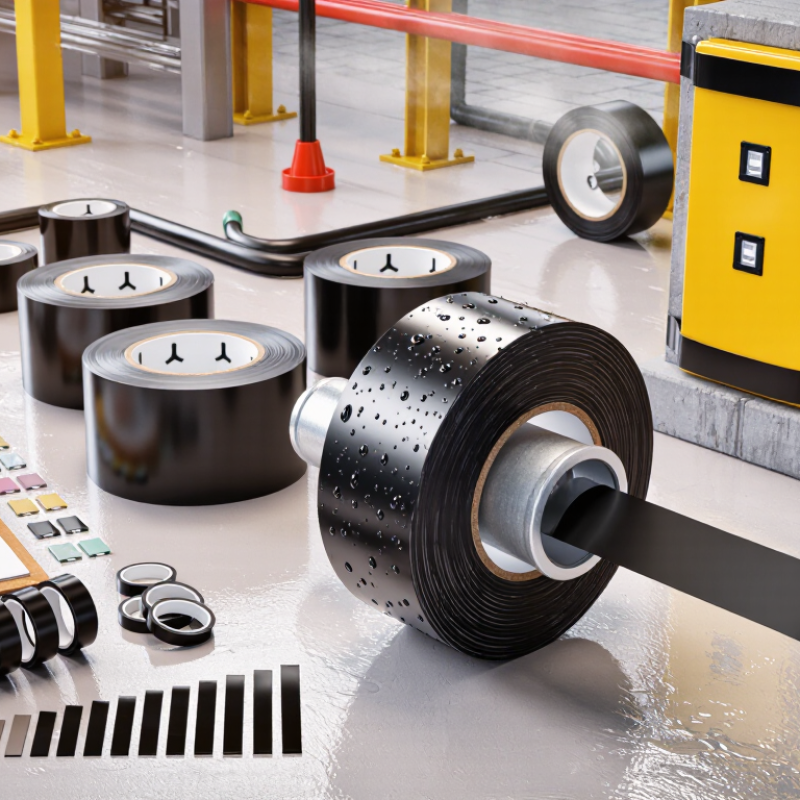
Choosing a China-based heat resisting waterproof rubber tape supplier requires more than comparing online prices. Ask for product data, factory photos, and recent sample results. Check temperature resistance, thickness tolerance, tensile strength, insulation performance, and waterproof sealing after aging. A tape rated for 200°C may perform differently under continuous heat, pressure, or outdoor exposure. Test it on your actual cable, pipe, or equipment surface.
For ordering, confirm roll width, length, color, packaging, and minimum order quantity in writing. A trial order can reveal uneven winding, weak bonding, or damaged cores. Request samples from the same production line used for bulk goods. Customization may include printed labels, carton designs, slit widths, and special rubber compounds. However, unusual sizes often increase tooling costs and delivery time. I have seen buyers approve artwork too quickly, then discover that small text becomes unreadable on narrow rolls.
Export planning should cover lead time, inspection standards, carton dimensions, pallet requirements, and shipping terms. Ask for a commercial invoice, packing list, certificate of origin, and relevant test reports. Confirm whether the tape needs special storage instructions during transport. Moisture, heat, and compression can affect unused rolls. Independent inspection before shipment adds cost, but it can prevent larger losses. Still, inspection is not perfect. Keep retained samples and record batch numbers for future claims. A dependable supplier should answer technical questions clearly and report limitations rather than promise universal performance.