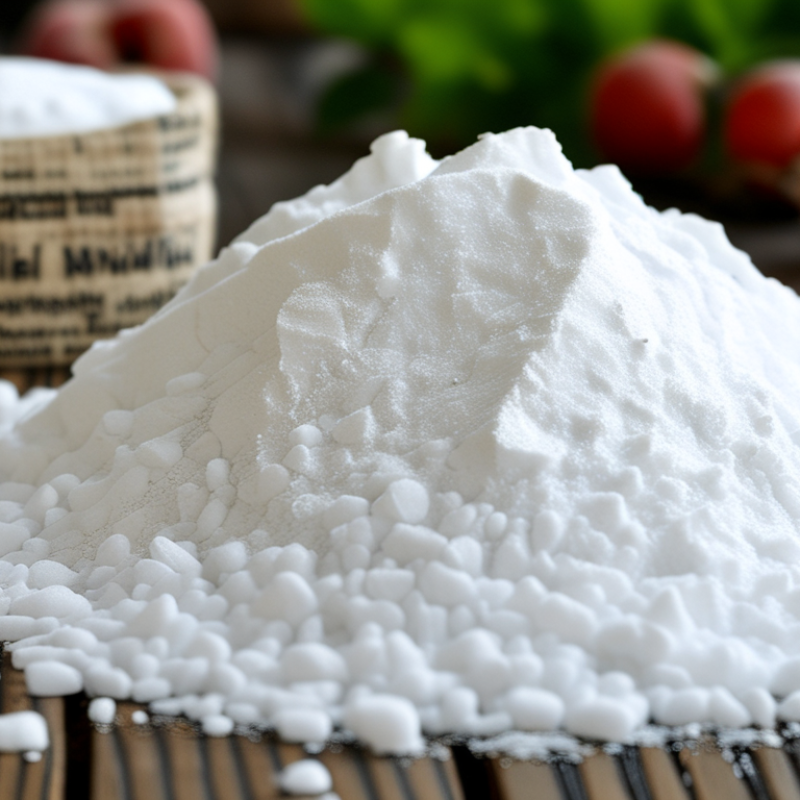
| Chemical name | Ammonium chloride powder | Confirms the material being purchased and reduces the risk of product substitution. |
| Chemical formula | NH4Cl | Useful for technical documentation, customs classification, laboratory work, and formulation control. |
| CAS number | 12125-02-9 | Provides a globally recognized identifier for procurement and regulatory checks. |
| Molecular weight | 53.49 g/mol | Supports accurate dosage calculations and formulation design. |
| Appearance | White crystalline powder or granules; normally odorless | Color, odor, and particle form are practical indicators during incoming quality inspection. |
| Water solubility | Approximately 37 g per 100 mL of water at 20°C; solubility increases with temperature | Important for fertilizer solutions, electroplating baths, process chemicals, and laboratory preparations. |
| Thermal behavior | Melts or decomposes at approximately 338°C under standard reference conditions | Buyers should consider ventilation, temperature limits, and decomposition products during processing. |
| Fertilizer grade | Commonly used as a nitrogen fertilizer containing about 25% nitrogen by mass | Suitable for crops and soils where ammonium nitrogen and chloride are agronomically acceptable. |
| Technical grade | Used in metal treatment, soldering fluxes, textile processing, batteries, and chemical manufacturing | A cost-effective option when food, pharmaceutical, or medical-grade controls are not required. |
| Food grade | Recognized as food additive E510 in applicable food regulations; used in baking and selected food-processing applications | Requires food-grade documentation, contaminant limits, traceability, and compliance with the destination market. |
| Pharmaceutical and laboratory grade | Used as a laboratory reagent and in selected pharmaceutical manufacturing processes | Buyers should request applicable pharmacopoeial or analytical specifications, impurity data, and batch traceability. |
| Animal nutrition use | May be used as a feed ingredient or urinary acidifier where permitted by local regulations | Feed-grade purity, dosage control, and destination-country approval are essential. |
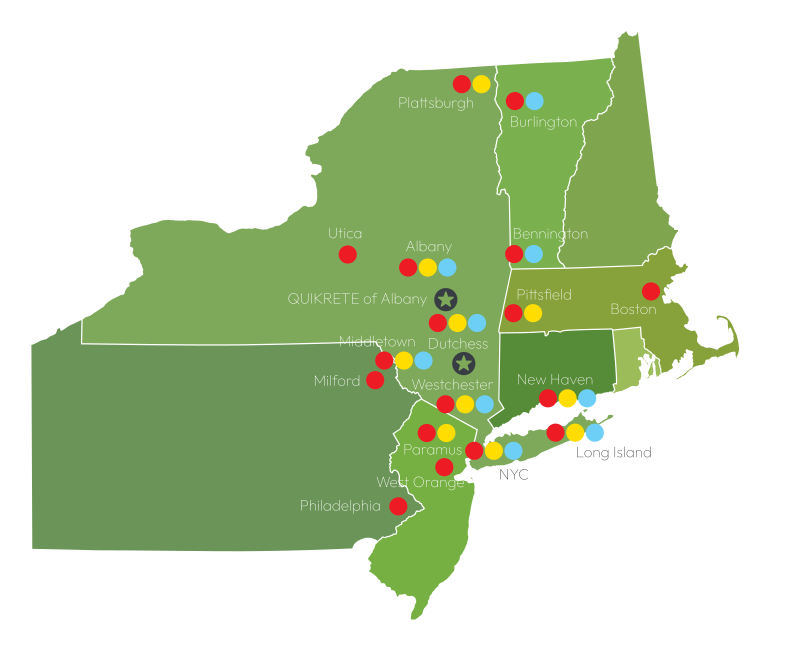
| Common supplier regions | Commercial supply is available from major chemical-manufacturing and fertilizer-producing regions in Asia, Europe, North America, and the Middle East | Regional sourcing can affect freight cost, lead time, import duties, port access, and supply continuity. |
| Typical packaging | Common formats include 25 kg bags, 50 kg bags, jumbo bags, and bulk shipments; exact options vary by supplier and grade | Packaging should match warehouse capacity, moisture-control requirements, handling equipment, and container loading plans. |
| Quality documents to request | Certificate of Analysis, Safety Data Sheet, specification sheet, origin statement, batch number, and applicable regulatory certificates | Documents help verify identity, purity, safety classification, regulatory suitability, and shipment traceability. |
| Key purchasing criteria | Grade, assay, moisture, insoluble matter, iron and heavy-metal limits, particle size, packaging, minimum order quantity, lead time, and Incoterms | A complete comparison prevents buyers from selecting suppliers on price alone and improves total landed-cost control. |
| Storage and handling | Store in a cool, dry, well-ventilated area in tightly closed packaging; avoid contact with strong bases and incompatible chemicals | Proper storage reduces caking, contamination, packaging damage, and workplace exposure risks. |
| Recommended supplier evaluation | Compare verified specifications, independent test results, production capacity, export experience, logistics performance, and after-sales support | This approach helps global buyers identify reliable supply without relying on company or brand names alone. |