10 Tips for Choosing Packaging Supplies Boxes
Box style affects speed, protection, and customer perception. In packing audits, I compare regular slotted cartons, mailer boxes, and rigid setup boxes. Regular slotted cartons suit warehouse efficiency. Mailer boxes fold quickly and resist opening during delivery. Rigid boxes feel premium, but they add weight and storage space.
Tip one: match the style to handling conditions.
Tip two: measure the product, not just its retail size.
Tip three: leave minimal void space. Oversized boxes waste material and invite product movement.
Closures deserve equal attention.
Tuck flaps create a clean, tool-free opening. Locking tabs improve security without extra tape. Pressure-sensitive tape supports rough handling, but it slows manual repacking.
Tip four: test the closure with gloved hands.
Tip five: inspect repeated opening and closing.
Tip six: choose tamper-evident features only when genuinely necessary.
The U.S. EPA reports that containers and packaging represented 28.1% of municipal solid waste in 2018. This makes material efficiency more than a design preference.
Interior support prevents damage at its source.
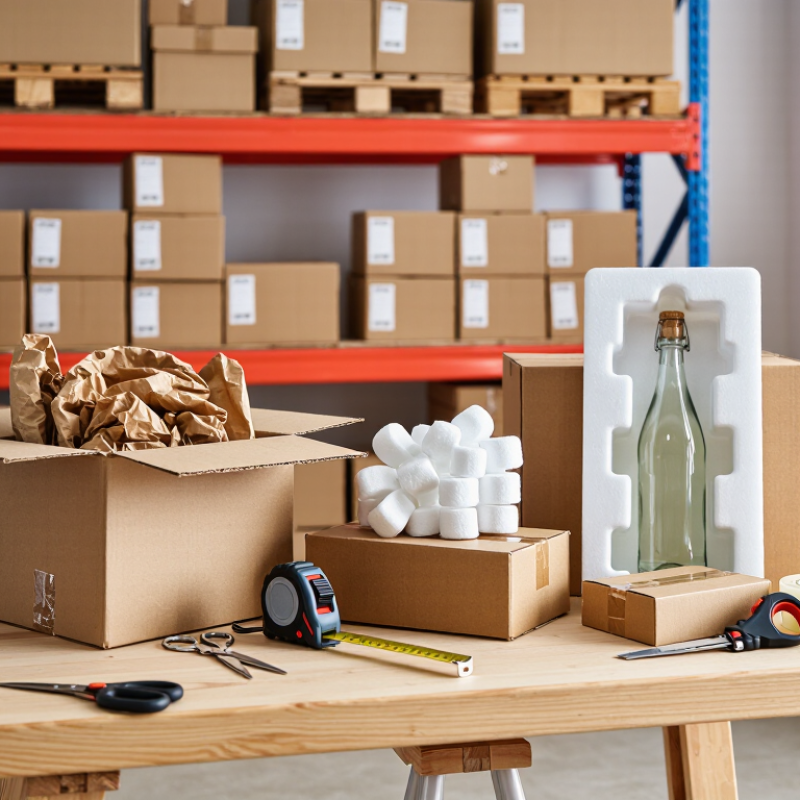
Corrugated inserts separate edges, while molded pulp supports rounded products. Paper cushioning works well for light movement, but it may compress under heavy loads. Foam can protect fragile items, yet its disposal may be difficult.
Tip seven: support corners first.
Tip eight: prevent contact between hard surfaces.
Tip nine: test vibration and drop resistance using recognized transit procedures.
Tip ten: record failure points after testing.
PMMI’s packaging research highlights right-sizing and protective performance as continuing industry priorities.
My own preference has changed after rushed trials; a box that looks secure can still fail at one sharp corner.