| 1. Identify the conductor materials | Conductor material and material combination | Choose a powder system specified for the exact combination, such as copper-to-copper or copper-to-steel. Different base metals require compatible connection procedures. | Confirm that the product documentation explicitly lists both materials. Do not assume a copper-to-copper charge is suitable for copper-to-steel work. |
| 2. Match conductor size and construction | Wire or cable size, strand count, and conductor shape | Selection depends on the conductor dimensions and how it sits in the connection mold. Solid conductors, stranded cables, rods, and flat conductors may require different mold configurations. | Use the specified conductor-size range and connection chart. Do not choose a charge by wire gauge alone. |
| 3. Specify the connection geometry | Connection type and mold cavity | Common configurations include cable-to-cable, cable-to-ground rod, cable-to-steel surface, and cable-to-rebar. The connection shape affects the mold and charge selection. | Match the powder selection to the exact connection drawing and compatible mold cavity, not just to the conductor material. |
| 4. Select the charge size from the system chart | Charge size for the approved mold and conductor combination | Charge amounts are application-specific. The mold design, conductor dimensions, and connection geometry all influence the required charge. | Follow the manufacturer’s charge chart for the exact mold and connection. Avoid estimating or substituting a charge based only on another job’s requirements. |
| 5. Check the intended electrical application | Grounding, bonding, or other specified electrical connection | Use a connection system designed and documented for the project’s electrical and mechanical requirements. The suitability of a connection depends on the complete tested procedure, not powder alone. | Review applicable project specifications, installation instructions, and required inspection or testing criteria. |
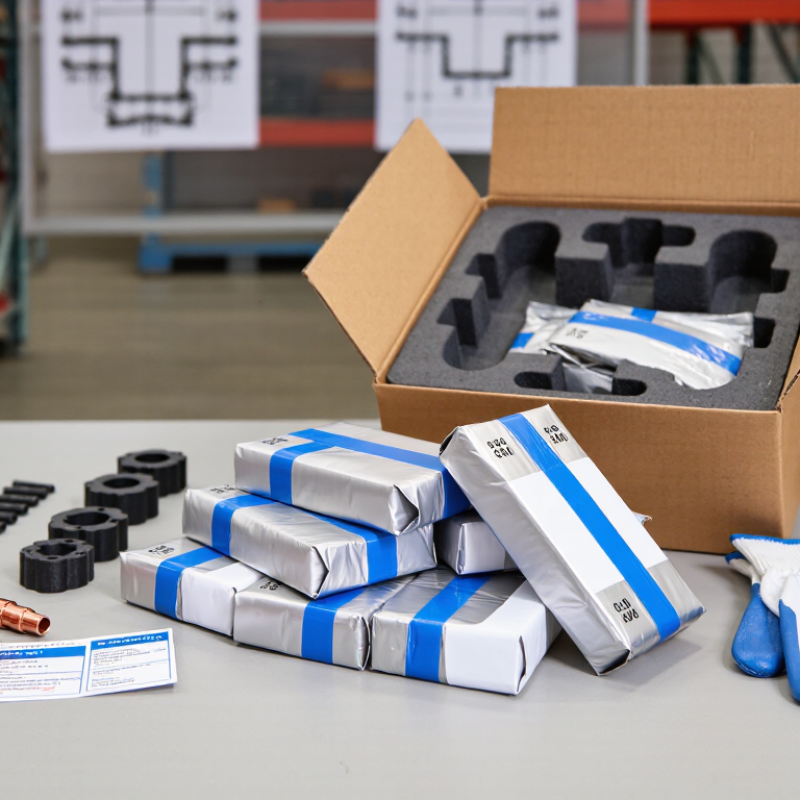
| 6. Check packaging and storage condition | Sealed packaging, lot identification, and storage instructions | Exothermic welding materials should be kept dry and handled according to their product instructions. Moisture or damaged packaging can compromise safe, consistent use. | Inspect packages for damage or signs of moisture, check lot and date information where provided, and store the material as directed. |
| 7. Confirm procedure and safety requirements | Training, mold condition, and job-site controls | Use the specified powder only with its compatible mold and documented procedure. Exothermic welding involves high temperatures and requires appropriate personal protective equipment and fire precautions. | Ensure workers are trained, the mold is clean and in good condition, and the work area follows the product instructions and site safety rules. |