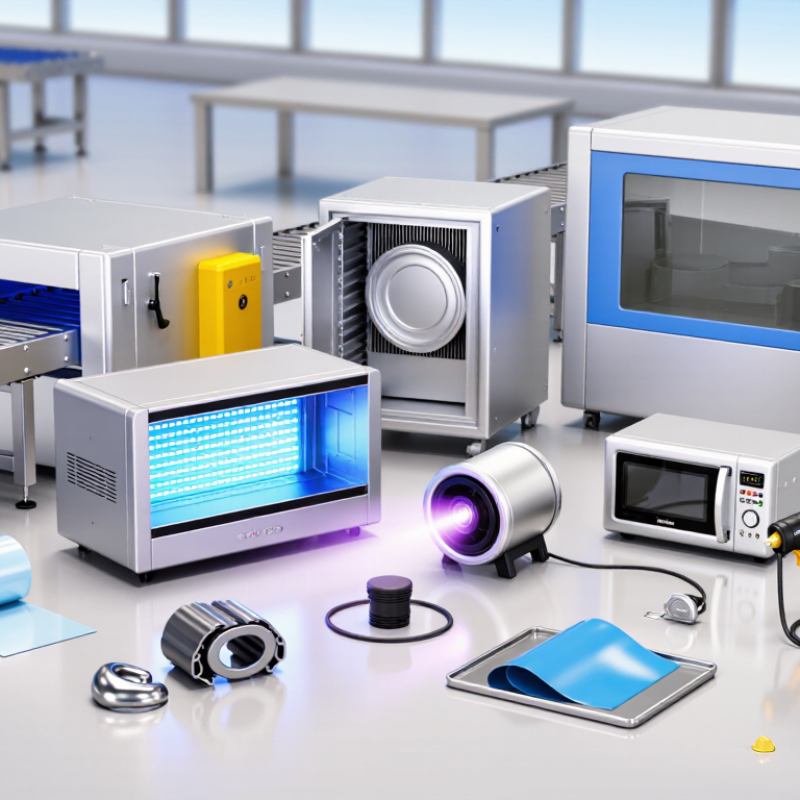
| 1. UV LED conveyor system | Continuous curing of compatible inks, coatings, and adhesives on a production line. | Common curing wavelengths include 365, 385, 395, and 405 nm. Output is concentrated in selected wavelength bands; formulation compatibility and delivered UV dose determine cure quality. LEDs generally produce less infrared heat at the substrate than conventional arc lamps. | UV radiation can injure eyes and skin. Enclose the curing area, use interlocks and suitable UV-rated shielding, and follow the equipment and coating safety instructions. | Keep the LED window and cooling surfaces clean. Check fans or liquid-cooling circuits, airflow, interlocks, and output according to the maintenance schedule. | Confirm that the coating’s photoinitiator responds to the LED wavelength and that line speed allows the required dose. |
| 2. Medium-pressure mercury arc system | Broad-spectrum curing applications, including established printing and coating processes. | Produces a broad UV spectrum and can suit formulations designed for arc-lamp output. Heat load, lamp condition, reflector condition, and exposure time affect the result. | Requires effective shielding and interlocks. Lamps contain mercury and must be handled and disposed of under applicable hazardous-waste rules. Provide ventilation where required by the lamp design and process. | Inspect and clean reflectors and quartz components as directed. Track lamp operating hours and replace lamps when output falls below process requirements; allow the system to cool before servicing. | Check spectral compatibility, substrate heat tolerance, exhaust requirements, and the supplier’s lamp-replacement guidance. |
| 3. Iron-doped metal-halide UV lamp | Processes that need a modified arc-lamp spectrum, such as selected thicker or pigmented coatings. | Iron additives alter the lamp’s spectral distribution compared with an undoped mercury lamp. Actual cure depends on the formulation, lamp spectrum, irradiance, and exposure time. | Use the same UV shielding, interlocks, and trained servicing practices required for arc-lamp equipment. Follow instructions for handling lamps and any mercury-containing components. | Keep reflectors and protective components clean, monitor output, and replace the lamp according to measured performance and operating guidance. | Verify that the modified spectrum matches the coating’s absorption and curing requirements; do not select by lamp type alone. |
| 4. Gallium-doped metal-halide UV lamp | Applications where a longer-wavelength-weighted arc-lamp output is useful, including some pigmented or thicker films. | Gallium doping changes the spectral distribution. Cure depth and speed vary with pigment, film thickness, formulation, and the dose reaching the material. | Shield the UV source and prevent access during operation. Manage heat and ventilation as specified for the equipment, and use appropriate procedures when servicing lamps. | Inspect the reflector, lamp envelope, cooling system, and safety interlocks. Record operating hours and check delivered UV output periodically. | Test the specific material and film thickness under production conditions before choosing this spectrum. |
| 5. Microwave-powered electrodeless UV system | Some high-throughput curing processes that use electrodeless UV lamp technology. | The lamp is energized by microwave power rather than internal electrodes. Spectrum and output depend on the lamp type and system design; cooling, reflector condition, and exposure geometry remain important. | Use intact shielding, access interlocks, and the manufacturer’s microwave and UV safety controls. Never operate with damaged covers or bypassed interlocks. | Check the bulb, reflector, cooling airflow, microwave shielding, and interlocks on the prescribed schedule. Replace consumable components as specified. | Confirm compatibility with the process chemistry and verify both UV output and line-speed performance. |
| 6. UV LED spot or flood-curing unit | Localized curing, small parts, assembly work, laboratory trials, and applications not suited to a conveyor. | Spot units concentrate energy in a defined area; flood units cover a wider field. Distance, angle, exposure time, wavelength, and shadowing influence the delivered dose. | Do not view the source directly or expose skin. Use an enclosure or barrier where practical, UV-rated eye protection when required, and suitable controls for reflective surfaces. | Clean the emitting window, check cooling and output, and inspect timers, triggers, shielding, and interlocks. Avoid touching optical surfaces with bare hands. | Measure coverage and dose at the work surface, including recessed or shadowed areas. |
| 7. Multi-zone UV curing tunnel | Parts or web materials requiring controlled, repeatable exposure across several process stages. | Separate zones can support staged exposure or different operating conditions. Uniformity depends on lamp placement, transport speed, part orientation, and the spacing between the source and workpiece. | Enclose the tunnel and interlock access doors. Provide appropriate heat management and ventilation, and train operators on safe loading, unloading, and maintenance. | Clean optical surfaces, inspect conveyors and guards, verify zone output and interlocks, and maintain cooling and exhaust components. | Check curing uniformity across the full product width and at the intended production speed. |