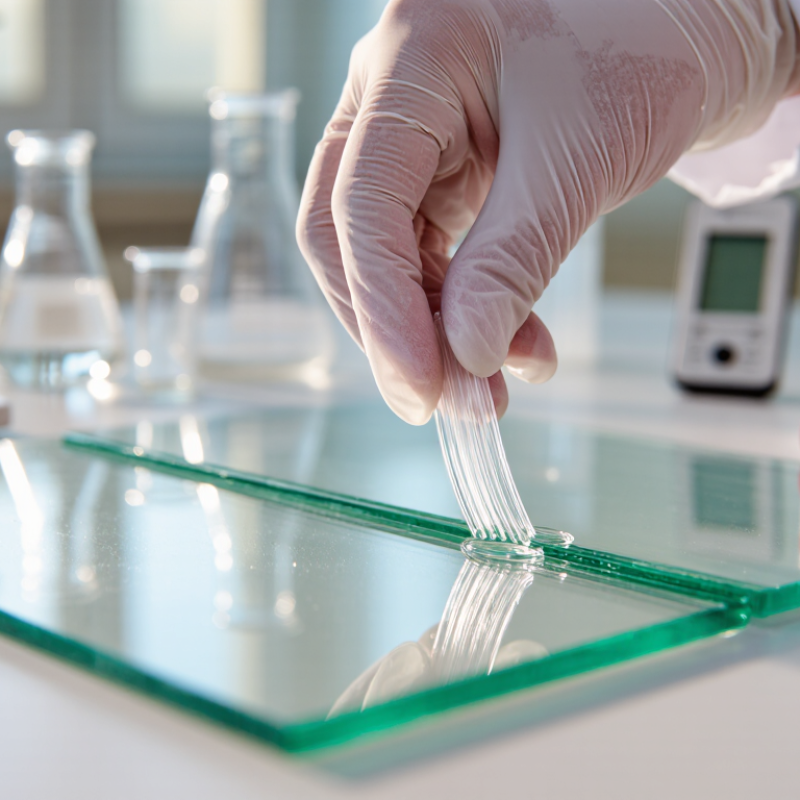
| Material Definition | Silicone adhesive is a flexible polymer-based adhesive and sealant made primarily from silicone polymers. | It can bond surfaces while also sealing joints against air, moisture, dust, and selected chemicals. |
| How It Cures | Most one-part formulations cure at room temperature by reacting with moisture in the air. Two-part formulations cure after their components are mixed. | Curing changes the material from a paste or gel into a durable, elastic solid. |
| Common Formulation Types | One-part, two-part, neutral-cure, and acetoxy-cure silicone adhesives. | The appropriate type depends on substrate compatibility, curing speed, odor, corrosion sensitivity, and required strength. |
| Typical Appearance | Available as clear, white, black, gray, and other cured colors; supplied as paste, gel, or liquid. | Color and viscosity influence appearance, dispensing method, and suitability for vertical or overhead applications. |
| Temperature Resistance | Many cured silicone adhesives operate approximately from -50°C to 200°C, while specialized grades may provide wider ranges. | Silicone is useful where bonded parts experience temperature changes, heat, or cold. The product specification should be checked for the exact limit. |
| Flexibility | Cured silicone generally remains flexible and elastic rather than becoming rigid like many conventional structural adhesives. | It can accommodate vibration, movement, thermal expansion, and differences in substrate expansion. |
| Moisture Resistance | Fully cured silicone usually provides strong resistance to water and humidity. | It is commonly selected for bathrooms, glazing joints, outdoor enclosures, and other damp environments. |
| Chemical and Weather Resistance | Cured silicone generally resists ultraviolet exposure, ozone, weathering, and many mild chemicals. | Performance varies with the formulation and chemical involved; strong solvents, fuels, and concentrated chemicals require compatibility testing. |
| Substrates Commonly Bonded | Glass, ceramic, aluminum, many metals, painted surfaces, some plastics, and selected rubber materials. | Surface energy and cleanliness strongly affect adhesion. Low-energy plastics such as polyethylene and polypropylene may require special treatment or a different adhesive. |
| Common Applications | Window and door glazing, appliance assembly, lighting enclosures, electronic protection, automotive sealing, plumbing joints, and general maintenance. | The combination of bonding, sealing, flexibility, and weather resistance makes silicone suitable for many indoor and outdoor applications. |
| Surface Preparation | Surfaces should be dry, clean, and free from dust, oil, grease, release agents, rust, and loose coatings. | Cleaning and, when appropriate, abrasion or primer use can improve adhesion and reduce early bond failure. |
| Typical Application Methods | Manual cartridge gun, squeeze tube, pneumatic dispenser, automated dispensing equipment, or mixing-and-dispensing equipment for two-part products. | The method should deliver a continuous bead or controlled coating without trapping excessive air. |
| Recommended Bond-Line Design | A continuous, even layer is preferred. A controlled bond-line thickness is often better than pressing all adhesive out of the joint. | Adequate adhesive thickness helps maintain flexibility and allows the cured material to absorb movement. |
| Skin Formation | Many moisture-cure products form a surface skin within minutes to roughly one hour, depending on temperature, humidity, bead size, and formulation. | Tooling and repositioning should generally be completed before the surface skins over. |
| Cure Rate | A common moisture-cure rate is approximately 2–3 mm per 24 hours under standard room conditions, although actual rates vary widely. | Thick sections, low humidity, low temperature, and limited air exposure can significantly extend the cure time. |
| Clamping and Support | Temporary fixtures, tape, or clamps may be needed until the adhesive develops sufficient holding strength. | Parts should remain aligned and undisturbed during the initial cure period specified for the product. |
| Key Advantages | Flexibility, water resistance, weatherability, thermal stability, electrical insulation, and good gap-filling capability. | These properties support long-term sealing and bonding in environments subject to movement or exposure. |
| Important Limitations | Silicone may have lower initial strength than rigid structural adhesives, may be difficult to paint, and may adhere poorly to some low-energy plastics. | A different adhesive or a specialized silicone grade may be more suitable when high structural strength, paintability, or rapid handling strength is required. |
| Safety and Handling | Use adequate ventilation, avoid uncured contact with eyes and skin, and follow the product safety data and curing instructions. | Some curing systems release acidic or other vapors during cure, so the formulation should be selected for the environment and substrate. |