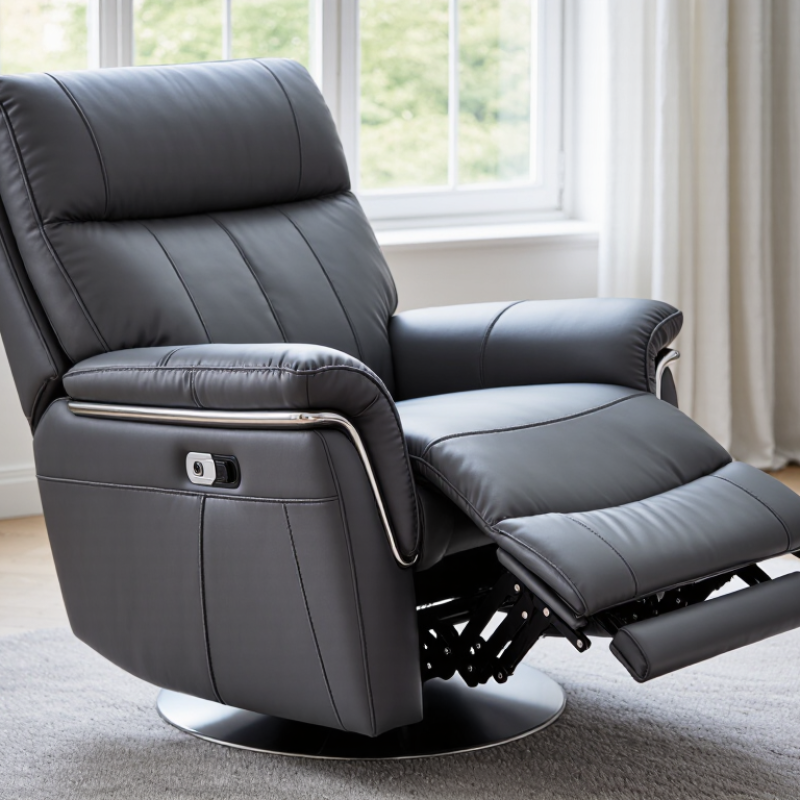
| Definition | A recliner massage chair is a powered chair that combines a reclining seat with mechanical massage functions. It is designed for seated, at-home use rather than clinical treatment. | Provides convenient relaxation without requiring a therapist or appointment. | It does not diagnose medical conditions or replace professional medical care. |
| Massage Mechanism | Internal rollers, nodes, airbags, or vibration motors apply pressure or movement to selected areas of the body. The exact mechanism varies by chair design. | Can create repetitive pressure and movement that many users find soothing. | Mechanical movement may feel too intense, uneven, or uncomfortable for some users. |
| Reclining Function | An electric motor changes the backrest and leg-rest positions. Some chairs use a zero-gravity-style position that elevates the legs and distributes body weight across the seat. | May reduce pressure on the back and support a comfortable resting posture. | Requires adequate floor space and access to a suitable electrical outlet. |
| Massage Areas | Depending on the model, massage may target the back, shoulders, neck, hips, arms, calves, and feet. | Allows users to focus on common areas of muscle tension. | Coverage is not always continuous or anatomically precise, and some body areas may receive little or no treatment. |
| Common Massage Programs | Preset programs commonly include relaxation, back massage, shoulder massage, stretching-style routines, and lower-body air compression. Manual controls may adjust time, area, speed, or intensity. | Offers different settings for personal comfort and short relaxation sessions. | More programs do not necessarily mean better therapeutic results; controls can also be complicated for some users. |
| Air Compression | Inflatable cushions periodically compress and release areas such as the arms, hips, calves, or feet. | May provide a gentle squeezing sensation and support relaxation in the limbs. | Pressure can be uncomfortable for people who are sensitive to compression or who have circulation-related conditions. |
| Heat Function | Some chairs use built-in heating elements, usually around the lower back or seat, to provide mild surface warmth. | Warmth may feel relaxing and can temporarily ease the sensation of muscle stiffness. | Heat is not a treatment for an underlying injury. Users with reduced heat sensitivity should use extra caution. |
| Typical Session Duration | Many automatic programs are designed for short sessions, commonly around 10 to 30 minutes, although the recommended duration depends on the chair and the user. | Short sessions can fit conveniently into a daily relaxation routine. | Longer or excessively intense sessions may increase soreness, discomfort, or skin irritation. |
| Possible Relaxation Effects | Rhythmic pressure, reclining, warmth, and reduced activity may help the body enter a more relaxed state. | Users may experience temporary relaxation, reduced perceived stress, and improved comfort after sitting. | Individual responses vary, and relaxation benefits may be temporary rather than lasting. |
| Muscle Tension | Massage pressure can stimulate soft tissues and may temporarily reduce the feeling of tightness in some muscles. | May improve perceived comfort after prolonged sitting or light daily activity. | It may aggravate acute injuries, inflammation, bruising, or undiagnosed pain. |
| Circulation-Related Sensations | Reclining and intermittent air compression can change pressure on the limbs and create a temporary massage sensation. | Some users may feel warmth or lightness in the legs after a session. | A massage chair should not be relied on to treat blood clots, vascular disease, swelling, or poor circulation. |
| Convenience | The chair can be used at home whenever it is connected to power and positioned safely. | Offers repeatable access to massage without travel, scheduling, or recurring therapist appointments. | The chair may be expensive, heavy, difficult to move, and demanding of floor space. |
| Cost Consideration | Purchase prices vary widely according to construction, motor count, massage coverage, control features, and additional functions. | Frequent users may find ownership convenient over time compared with repeated paid sessions. | Up-front cost, electricity use, maintenance, and repairs should be included in the overall ownership cost. |
| Noise Level | Motors, pumps, rollers, and air-compression systems produce varying levels of operating noise. | Quieter operation may be suitable for reading, resting, or watching television. | Mechanical sounds may disturb other people, especially in quiet rooms or shared living spaces. |
| Body Fit and Adjustability | Comfort depends on the chair's dimensions, adjustable settings, roller reach, seat depth, and the user's height and body shape. | Better fit can improve comfort and help position massage functions more appropriately. | A poor fit may cause pressure points, incomplete coverage, or uncomfortable positioning. |
| People Who Should Seek Medical Advice First | People who are pregnant, have osteoporosis, recent surgery, serious cardiovascular disease, implanted medical devices, blood-clotting problems, neuropathy, or unexplained pain should consult a qualified healthcare professional before use. | Professional guidance can help determine whether massage and reclining are appropriate. | A chair may be unsuitable or require restrictions for certain medical conditions. |
| Safe-Use Practices | Start with the lowest comfortable intensity, follow the instruction manual, keep sessions moderate, stop if pain or dizziness occurs, and inspect the chair before use. | Gradual use can help users identify comfortable settings and reduce the risk of overuse. | Discomfort, numbness, bruising, worsening pain, or unusual symptoms are reasons to stop and seek advice. |
| Information in this table describes common features and general considerations. Functions, dimensions, intensity, safety instructions, and user limits vary by chair design. A recliner massage chair is intended for comfort and relaxation, not for diagnosing or treating disease. |