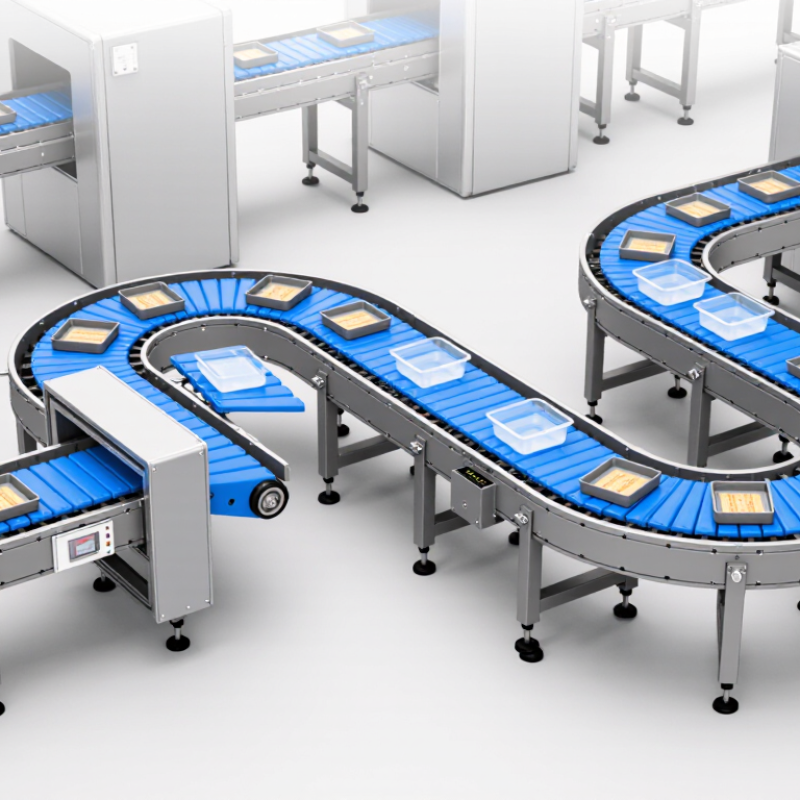
A modular conveyor belt uses linked plastic modules joined by hinge rods, creating a flexible surface that can turn around sprockets. Its operating limits depend on the whole system, not the belt alone.
Record the product’s weight and contact pattern: a compact metal part can stress a few modules more than a broad, lightweight carton. CEMA’s Belt Conveyors for Bulk Materials treats capacity, belt width, and speed as connected design factors.
Measure the actual load, including accumulation and start-up conditions. Those details are easy to miss.
Speed affects throughput, wear, and motor demand. The U.S. Department of Energy’s Improving Motor and Drive System Performance guide estimates that motor-driven systems account for about 68% of electricity used in U.S. manufacturing. That figure covers many kinds of equipment, not conveyors alone, but it shows why speed changes deserve measurement.
Log belt speed under load, not just the drive’s setpoint. Temperature matters too: check both ambient heat and the product’s surface temperature, especially near ovens or washdown zones. Ask the belt supplier for its rated range; plastic type and exposure time can change performance.
Finally, confirm belt width against product size, side guides, and transfer gaps. A narrow belt may crowd packages. An unnecessarily wide one can complicate layout and cleaning.
Small mismatch, real trouble.