What is Low Carbon Concrete and How Does It Benefit the Environment?

Low carbon concrete is gaining attention in the construction industry. It presents a significant reduction in carbon emissions compared to traditional concrete. Conventional concrete relies heavily on cement, which is a major source of CO2 emissions. Low carbon concrete uses alternative materials to decrease this impact.

Incorporating industrial by-products into low carbon concrete can enhance its properties. Fly ash and slag offer strength while reducing the carbon footprint. This innovation not only benefits the environment but also supports sustainable construction practices. Yet, challenges remain in standardization and widespread adoption.

The transition to low carbon concrete is not without its hurdles. Many stakeholders are hesitant to change. It requires education on its benefits and potential. As we move forward, it is essential to reflect on how to make this greener option the norm in construction.

What is Low Carbon Concrete and How Does It Benefit the Environment?

Definition of Low Carbon Concrete and Its Composition

Low carbon concrete is an innovative construction material. Its composition includes traditional cement, but integrates alternative materials. These alternatives can lower the carbon footprint. Fly ash, slag, and recycled aggregates are commonly used. They replace a portion of cement, which is responsible for high CO2 emissions.

The assessment of this concrete shows promising benefits. It can reduce greenhouse gas emissions significantly. However, some questions remain. Do we fully understand the long-term durability? How will these materials perform under extreme conditions? Each ingredient does not always behave predictably.

Low carbon concrete aims for sustainability. Yet, production methods need improvement. The balance between performance and environmental impact is still a challenge. As we explore this further, understanding real-world applications will be key. It's vital to remain cautious and adaptable in this evolving field.

Carbon Emissions by Different Concrete Types

This chart illustrates the carbon emissions associated with different types of concrete. Traditional concrete has the highest emissions, while low carbon concrete and green concrete demonstrate significantly reduced emissions, making them beneficial for the environment.

Environmental Impact of Traditional Concrete Production

The production of traditional concrete has significant environmental consequences. According to a report by the World Business Council for Sustainable Development, concrete production accounts for approximately 8% of global carbon dioxide emissions. This alarming statistic highlights the urgent need for sustainable alternatives. Traditional concrete relies heavily on cement, which is energy-intensive to produce. The extraction and processing of raw materials also lead to habitat destruction and air pollution.

Additionally, the concrete industry consumes vast amounts of water. On average, making one ton of cement requires about 1,600 liters of water. This contributes to water scarcity, particularly in regions that are already facing drought. The environmental impact is quite severe, and traditional practices must evolve to mitigate these issues.

Tips: Consider using recycled materials in concrete mixes. Utilize fly ash or slag to reduce cement use. Implementing even small changes can lead to significant reductions in carbon emissions.

Another point to reflect on is the entire lifecycle of concrete. It’s paramount to assess not just production, but also how concrete interacts with the environment over time. Aging structures can lead to degradation, which might not be immediately visible. Addressing these concerns is crucial for advancing towards more sustainable practices.

Advantages of Low Carbon Concrete in Reducing Carbon Footprint

What is Low Carbon Concrete and How Does It Benefit the Environment?

Low carbon concrete represents a significant innovation in sustainable construction. Unlike traditional concrete, it uses alternative materials. These materials often include industrial byproducts like fly ash or slag. Such components reduce the need for cement, which is a major source of CO2 emissions. By lowering cement content, low carbon concrete can cut emissions by 30-50%.

Using low carbon concrete helps to lessen the overall carbon footprint of buildings. Not only does it mitigate greenhouse gas emissions, but it also offers improved thermal performance. This can lead to energy savings over time. However, the production process for some low carbon alternatives is still energy-intensive. It raises questions about the balance between innovations and their environmental impact.

Low carbon concrete fosters a more sustainable approach to construction. Its use leads to less waste and utilizes materials that might otherwise end up in landfills. Yet, challenges remain in widespread adoption. Designers and builders need guidance in integrating these new materials effectively. Overall, while advancements are promising, continuous evaluation is crucial to ensure they align with sustainability goals.

Innovative Technologies and Methods for Producing Low Carbon Concrete

Low carbon concrete is revolutionizing the construction industry. It uses innovative technologies to reduce carbon emissions during production. This concrete replaces traditional materials with alternatives like recycled aggregates. The result? A significant cut in the carbon footprint of construction projects.

Methods like carbon capture and utilization are gaining traction. They trap CO2 emissions during production. The captured CO2 can then be used in curing the concrete. Another technique involves using industrial by-products. These materials not only reduce waste but also enhance concrete properties.

Despite its benefits, challenges exist. The production process can be complex, requiring new machinery and training. Some may worry about the durability of low carbon concrete. Research is ongoing to validate its long-term performance. However, the potential environmental benefits are too significant to ignore. Balancing innovation with practicality will be key for wider adoption.

What is Low Carbon Concrete and How Does It Benefit the Environment?

Aspect Description Environmental Benefit
Carbon Footprint Low carbon concrete reduces CO2 emissions during production. Decreased greenhouse gas emissions contribute to climate change mitigation.
Material Use Utilizes alternative materials like fly ash and slag. Reduces reliance on natural resources and decreases waste in landfills.
Energy Efficiency Lower energy consumption in manufacturing processes. Lower energy usage decreases overall fossil fuel reliance.
Durability Enhanced durability leads to longer lifespan of structures. Reduced need for repairs and resources over time.
Innovative Techniques Methods like 3D printing and carbon capture are used. Promotes innovative approaches to sustainable construction.

Applications and Future Potential of Low Carbon Concrete in Construction

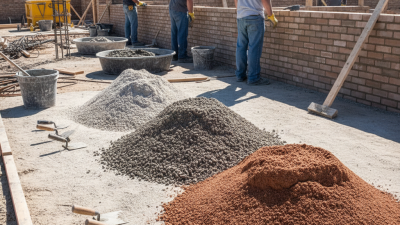
Low carbon concrete is emerging as a promising alternative in the construction industry. Its potential applications range from buildings to roads and bridges. This innovative material reduces carbon emissions significantly compared to traditional concrete. It uses alternative binders, which can lower the carbon footprint. The mix often includes recycled materials, contributing to sustainability.

In the construction sector, low carbon concrete can be utilized in various structural elements. Foundations, slabs, and precast panels are just a few examples. Its versatility allows it to adapt to different designs and requirements. Some contractors still hesitate. They question the durability and strength of low carbon concrete. However, studies indicate that it can perform well under various conditions.

Looking ahead, the future of low carbon concrete appears bright. Urban areas increasingly seek sustainable solutions for their infrastructure. This trend creates a demand for greener construction materials. Yet, challenges remain, such as scalability and public perception. Addressing these issues will be crucial as we strive for a more sustainable built environment.

Find the Right Repair Product for Your Project

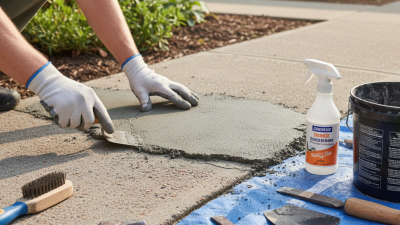
Need to find the most appropriate product for the needs of your project? We can help because we have over 70 years of experience servicing the industry with every kind of project, from Do-it-yourself projects to large skyscrapers. Package Pavement has the experience, the knowledge and the products to help every project succeed.
Quikrete Repair Products
Legend
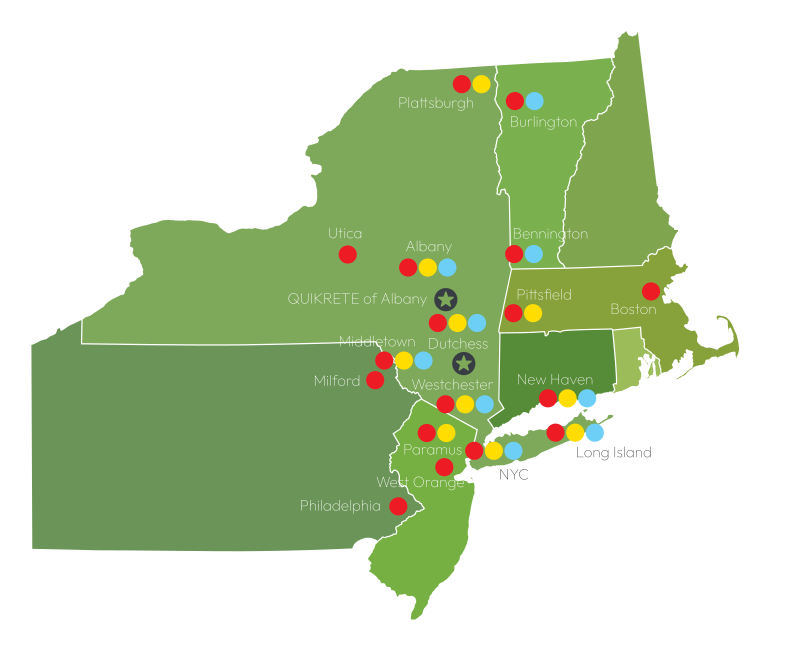
Package Pavement has two convenient locations in Stormville, NY (Dutchess County) and Ravena, NY (Greene County) to serve the Northeastern Region with bagged concrete, blacktop, mortar, and repair products. This map gives a general idea of where we service and the product lines we offer.
Package Pavement Products
Quikrete Products
Spec Mix Products
map

Our Brands Websites