| 1 | Bluetooth Version and Profiles | Bluetooth 5.0 or newer; A2DP for stereo audio and AVRCP for playback control. | Review the Bluetooth qualification information, product specification, and connection test results. | 12% | Determines wireless compatibility, connection stability, and control functionality. |
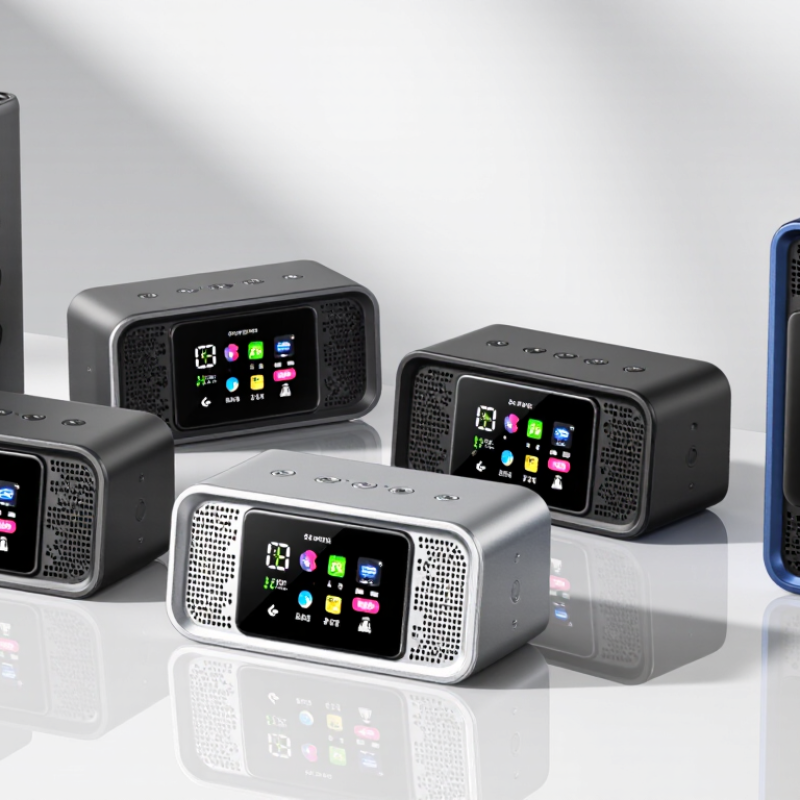
| 2 | LCD Display Performance | Clearly defined screen size, resolution, viewing angle, brightness, icons, and operating temperature. | Inspect production samples and compare the display with the approved artwork under indoor and outdoor lighting. | 12% | Affects readability, user interaction, alarm visibility, and perceived product quality. |
| 3 | Audio Output and Tuning | Supplier should state rated output power, driver size, frequency response, distortion data, and tuning method. | Conduct listening tests and request measurements made with calibrated audio equipment. | 12% | Prevents misleading power claims and helps match sound performance to the intended market. |
| 4 | Battery Capacity and Runtime | Capacity must be stated in watt-hours or milliampere-hours; runtime should be reported at a defined volume and test mode. | Check battery labeling, charging data, runtime test conditions, and sample performance. | 10% | Provides a fair comparison and reduces the risk of exaggerated battery-life claims. |
| 5 | Safety and Regulatory Compliance | Applicable electrical, EMC, radio, battery, and material requirements for the destination market must be identified. | Request relevant test reports, declarations, battery transport documents, and product labeling samples. | 15% | Reduces customs, safety, product-liability, and marketplace compliance risks. |
| 6 | Ingress Protection and Durability | An IP rating should be claimed only when supported by testing; enclosure, buttons, and charging ports should match the intended use. | Verify the IP test report and perform visual, drop, button-cycle, and charging-port inspections. | 10% | Indicates resistance to dust, water, handling, and everyday transportation damage. |
| 7 | Customization Capability | Supplier should support documented options for LCD graphics, firmware, enclosure color, controls, packaging, and language. | Review engineering change procedures, sample revisions, firmware demonstrations, and approved drawings. | 10% | Determines whether the product can meet specific user-interface and market requirements. |
| 8 | Quality-Control System | Documented incoming, in-process, and final inspections with traceable corrective-action records. | Request an inspection plan, defect classification, sample quality records, and audit access where appropriate. | 10% | Supports consistent LCD assembly, audio performance, battery safety, and shipment quality. |
| 9 | Production Capacity and Lead Time | Supplier should provide realistic sample, pilot, and mass-production lead times together with capacity planning. | Compare production schedules with purchase-order history, capacity records, and on-time delivery performance. | 5% | Helps prevent launch delays, inventory shortages, and unexpected production bottlenecks. |
| 10 | After-Sales Support and Warranty | Clear warranty terms, spare-parts policy, firmware support, response times, and repair or replacement procedures. | Review the service agreement, escalation process, failure-rate reporting, and technical support contacts. | 4% | Protects long-term product availability and reduces the cost of field failures. |