
What is the Importance of Construction Materials in Modern Building Techniques?

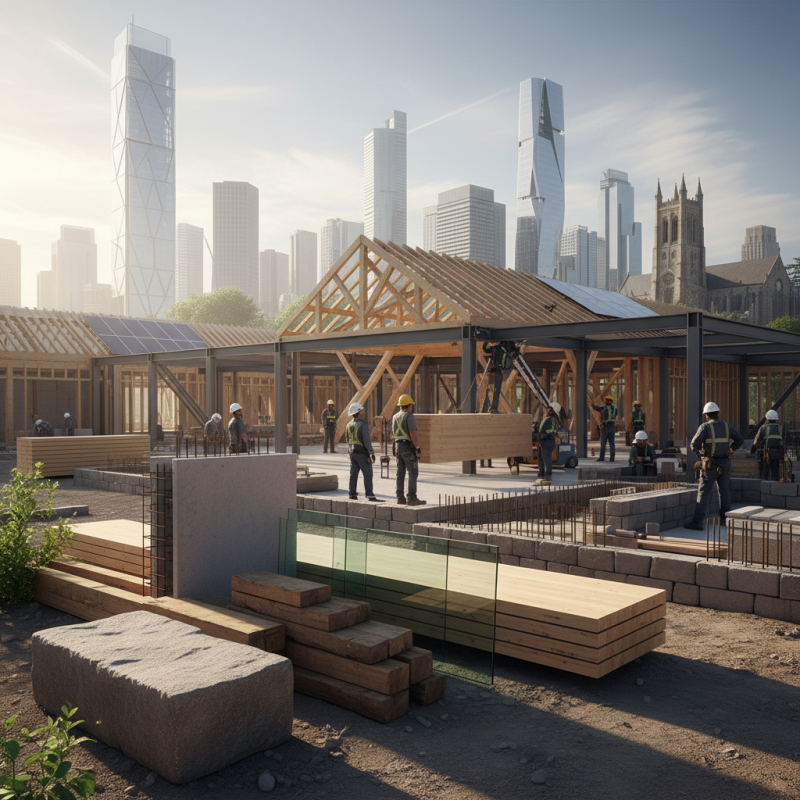
In the realm of modern building techniques, construction materials play a crucial role in determining the durability and efficiency of structures. These materials shape every aspect of a build, from energy efficiency to overall safety. While many innovations have emerged in construction, the right selection of materials is essential for long-lasting results.

Construction materials are not just about aesthetics. They contribute to the environmental impact of a building project. Sustainable materials can reduce carbon footprints. However, relying solely on modern materials can sometimes overlook traditional practices that ensured longevity and resilience. This presents a challenge that requires thoughtful consideration.

As technologies evolve, new materials enter the market. Yet, it is vital to critically assess their performance and reliability. This is where expertise becomes invaluable. Experienced professionals can discern the best materials for specific projects, balancing innovation with practicality. Understanding the importance of construction materials ensures a robust foundation for future constructions.

What is the Importance of Construction Materials in Modern Building Techniques?

The Role of Construction Materials in Structural Integrity

Construction materials play a critical role in ensuring structural integrity. The choice of materials impacts the strength and durability of buildings. Steel, concrete, and wood are common options, each with unique properties. For instance, steel offers high tensile strength but requires protection against corrosion.

Moreover, the interaction between building materials can influence overall performance. Improper combinations may lead to issues like cracking or unexpected failures. Engineers must assess environmental factors, such as moisture and temperature changes. These elements affect how materials behave over time.

Many modern buildings face challenges from unforeseen stresses. Retrofitting may be necessary to correct design flaws. Addressing these problems calls for expertise in material science. Continuous advancements push the boundaries of what’s possible. The evolution of composites and sustainable materials is reshaping the industry. Yet, accountability remains vital. Each choice must be well-informed to ensure safety and sustainability.

Sustainability in Construction Materials: A Modern Necessity

What is the Importance of Construction Materials in Modern Building Techniques?

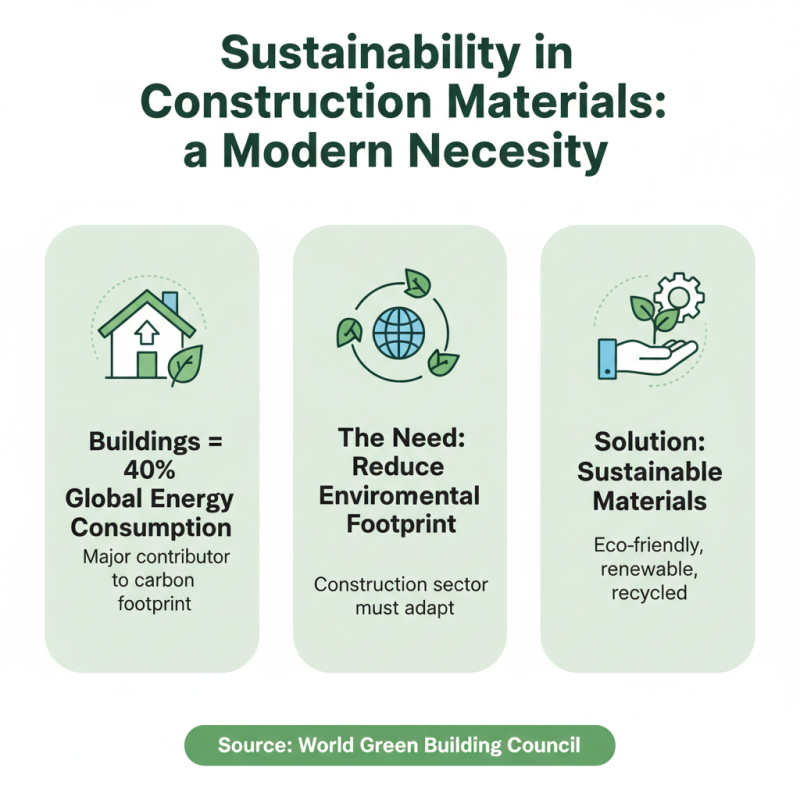
Sustainability in construction materials is becoming essential. Reports indicate that buildings account for nearly 40% of global energy consumption. This significant figure highlights the need for sustainable materials. According to the World Green Building Council, the construction sector must adapt quickly to reduce its environmental footprint.

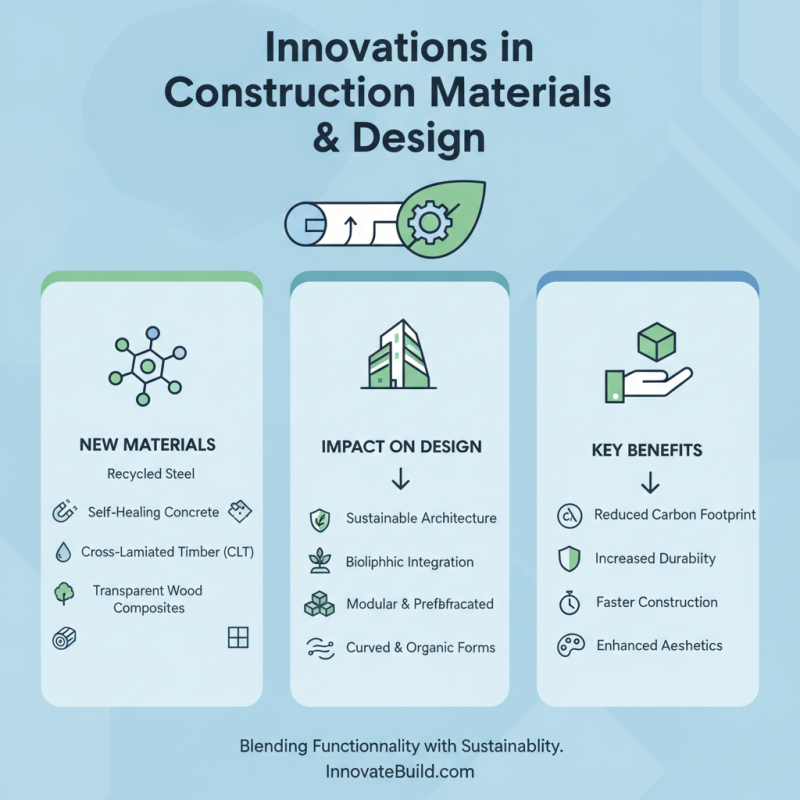
Innovative materials, such as recycled steel and bamboo, show promise. Steel made from recycled content can reduce energy use by up to 75%. Bamboo grows rapidly, making it a renewable alternative. However, sourcing these materials responsibly remains a challenge. The production process must ensure minimal environmental impact while supporting local economies.

An inherent risk exists with new sustainable materials. Industry leaders often hesitate to adopt them due to perceived costs and performance concerns. Studies highlight that upfront investments can lead to long-term savings in energy and maintenance. The balance between immediate financial impacts and future savings is a topic for ongoing discussion. Each project will need to evaluate its needs and challenges carefully.

Innovations in Construction Materials and Their Impact on Design

What is the Importance of Construction Materials in Modern Building Techniques?

Innovations in construction materials have greatly influenced modern building techniques. Designers are now utilizing materials that were unimaginable a few decades ago. For instance, eco-friendly options such as recycled steel are not only strong but also reduce environmental impact. This shift allows for unique architectural designs, blending functionality with sustainability.

Additionally, lightweight composites are revolutionizing structural possibilities. They enable taller buildings with minimal foundation requirements, pushing the limits of engineering. However, these advancements also pose challenges. Innovators sometimes overlook the long-term durability of new materials. Short-term gains may lead to future maintenance issues, calling for careful considerations in design. The balance between innovation and reliability remains a crucial topic in the industry. Some professionals advocate for tested materials, while others embrace new possibilities, creating a vibrant debate.

Cost Efficiency and Performance of New Building Materials

The cost efficiency and performance of new building materials are crucial in modern construction. Innovative materials like engineered wood and recycled plastics offer significant savings. They reduce the need for traditional materials, which can be expensive. For example, using porous concrete helps manage stormwater, minimizing landscaping costs.

However, new materials are not without their challenges. Some may lack long-term durability compared to traditional options. This uncertainty can lead to higher maintenance costs down the line. Builders must carefully evaluate these innovations to ensure they meet project needs. Balancing costs with performance and longevity is complex.

Sustainable materials often emphasize energy efficiency. They can lower energy bills and improve indoor air quality. Yet, sourcing these materials can be difficult in certain regions. Builders face a trade-off between availability and sustainability. Understanding local supply chains is vital for making informed choices.

What is the Importance of Construction Materials in Modern Building Techniques? - Cost Efficiency and Performance of New Building Materials

Material Type Cost per Unit Durability (Years) Thermal Conductivity (W/mK) Environmental Impact Rating
Concrete $100 50 1.5 Moderate
Steel $600 70 50 High
Wood $300 30 0.15 Low
Brick $250 100 0.5 Moderate
Glass $500 20 1.0 High

Comparative Analysis of Traditional vs. Modern Construction Materials

In modern construction, materials play a critical role in determining durability and sustainability. Traditional materials like wood and brick have been used for centuries. They offer aesthetic appeal and natural insulation. However, their limitations include susceptibility to pests and moisture damage. Modern alternatives like steel and concrete improve strength and fire resistance. Yet, they can contribute to environmental concerns.

There’s a clear contrast in longevity and maintenance needs. Traditional materials often require more upkeep, while modern ones promise less frequent repairs. For instance, wood can rot over time, while steel may corrode. But modern materials also face scrutiny. The carbon footprint of concrete production raises questions about its ecological impact. Some buildings even struggle with temperature regulation when using too much steel.

Choosing the right materials is complex. It involves examining projects' specific needs. Assessing local climate conditions is essential. A blend of traditional and modern may often yield the best results. Rethinking material use can lead to innovative designs that honor heritage while meeting today's demands. Balancing aesthetics with functionality is not always straightforward, requiring thoughtful consideration.

Importance of Construction Materials in Modern Building Techniques

This chart illustrates the comparative analysis of traditional and modern construction materials in terms of strength and cost per unit. Modern materials exhibit higher compressive strength and better cost-effectiveness, contributing to enhanced construction efficiency and safety.

Find the Right Repair Product for Your Project

Need to find the most appropriate product for the needs of your project? We can help because we have over 70 years of experience servicing the industry with every kind of project, from Do-it-yourself projects to large skyscrapers. Package Pavement has the experience, the knowledge and the products to help every project succeed.

Quikrete Repair Products
Legend
Package Pavement has two convenient locations in Stormville, NY (Dutchess County) and Ravena, NY (Greene County) to serve the Northeastern Region with bagged concrete, blacktop, mortar, and repair products. This map gives a general idea of where we service and the product lines we offer.
Package Pavement Products
Quikrete Products
Spec Mix Products
map

Our Brands Websites