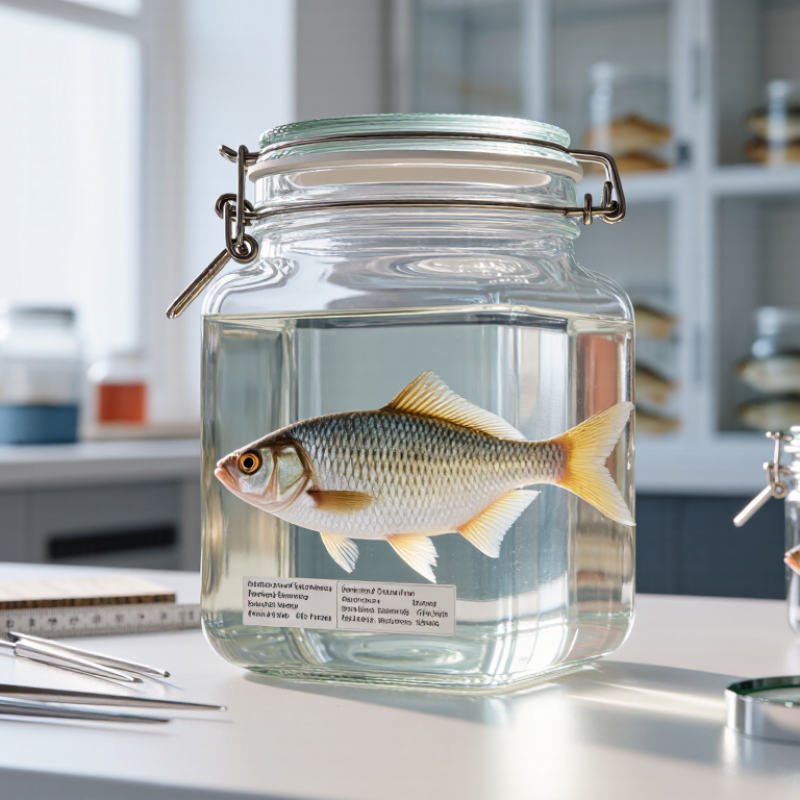
| Live freshwater fish | Normal swimming behavior, intact fins and scales, no visible lesions, clear eyes, and no abnormal mortality in the holding group. | Leak-resistant primary bag or container, sufficient water volume, oxygenated headspace where appropriate, absorbent material, and a rigid outer box. Use separated containers for incompatible species. | Maintain the species’ documented transport range; avoid rapid temperature changes. Use insulated packaging when ambient conditions may cause stress. | Follow the current air-carriage rules for live animals. The package must prevent leakage and allow safe handling; transit time should be minimized. | Commercial or pro forma invoice, packing list, scientific name, quantity, country of origin, importer details, health certificate where required, and any destination-country aquatic-animal permit. | High
Species misidentification, inadequate oxygen, leakage, temperature shock, and missing aquatic-animal health permits. |
| Live marine fish | Stable respiration, intact mucus layer, no external parasites or wounds, good body condition, and documented acclimation history. | Double primary containment is commonly used for liquid shipments, with leakproof bags or containers inside a waterproof secondary layer and a rigid outer package. | Use species-specific temperature and salinity records. Avoid exposure to direct sunlight, freezing conditions, or prolonged delays at transfer points. | Oxygen use, water volume, package dimensions, and labeling must comply with the applicable carrier and air-transport rules. Some species may require additional wildlife controls. | Species identification, health certificate, import permit if applicable, origin declaration, transport details, and documents relating to protected-species controls when relevant. | High
Salinity changes, ammonia buildup, heat stress, protected-species restrictions, and delays caused by incomplete permits. |
| Fresh or frozen whole fish | Correct species and size, firm flesh, intact body, no unusual odor, no excessive dehydration, and clear chain-of-custody records. | Food-grade inner wrapping or sealed bag, leakproof secondary container, and insulated outer packaging. Frozen shipments require enough refrigerant for the planned transit duration. | Fresh products are generally maintained near 0°C with melting ice or equivalent cooling. Frozen products should remain at or below the required frozen-storage temperature throughout transit. | Wet ice must be contained to prevent leakage. Dry ice is regulated as a refrigerant and may require quantity limits, ventilation, and proper transport documentation. | Invoice, packing list, scientific name, country of harvest or origin, sanitary or health certificate where required, and import declaration under the destination’s fishery or food rules. | Medium–High
Temperature abuse, meltwater leakage, incorrect origin information, and failure to meet sanitary-import requirements. |
| Formalin-preserved specimen | Complete body structure, undamaged fins and scales, clear labeling, adequate fixation, and no evidence of decomposition before preservation. | Primary leakproof, chemically compatible container with a secure closure; sealed secondary containment with absorbent material; rigid outer packaging with cushioning. | Keep upright and protected from heat. Avoid freezing and prolonged exposure to direct sunlight. Inspect containers for leakage before dispatch. | Formalin solutions contain formaldehyde and may be regulated as dangerous goods. Classification, packaging, marking, labeling, and documentation depend on concentration and transport mode. | Commercial or pro forma invoice, packing list, specimen inventory, safety data information, dangerous-goods declaration when applicable, and import permits for biological material if required. | High
Hazardous-material non-compliance, container leakage, incorrect chemical classification, and restricted biological-material entry. |
| Ethanol-preserved specimen | Specimen is fully immersed, structurally intact, correctly identified, and stored in a container with no evaporation or cap damage. | Use a compatible, tightly sealed primary container; place it in leakproof secondary containment with enough absorbent material; use a strong rigid outer package. | Keep cool and away from ignition sources. Prevent evaporation, excessive heat, and pressure buildup. Do not ship in damaged or inadequately sealed containers. | Ethanol is flammable and may be regulated as dangerous goods. The applicable concentration, quantity, packaging instruction, and labeling must be verified before shipment. | Specimen inventory, invoice, packing list, safety data information, dangerous-goods documentation when applicable, and any museum, research, or biological-material permit. | High
Flammability classification, evaporation, leakage, ignition risk, and incorrect declaration of alcohol concentration. |
| Dried or skeletal specimen | Specimen is completely dry, free from visible pests, mold, soil, and excess tissue; bones or fins are not cracked or heavily fragmented. | Use a clean inner wrap, sealed moisture barrier, pest-resistant secondary packaging, and rigid cushioning to protect fragile parts from impact. | Keep dry and protected from condensation. Avoid high humidity and sudden changes between cold storage and warm inspection areas. | Generally simpler to transport than live or liquid-preserved material, but biological-material and wildlife restrictions may still apply. | Invoice, packing list, scientific name, specimen purpose, origin information, treatment or sterilization statement when requested, and protected-species permits if applicable. | Medium
Contamination, pest infestation, protected-species restrictions, and inability to prove legal origin. |
| CITES-listed fish specimen | Species identification must be confirmed by an experienced taxonomist or recognized reference collection before shipment. | Use packaging suitable for the specimen condition, with labels that match the permit and inventory. Keep specimens segregated when multiple species are included. | Follow the preservation or live-transport requirements for the specific specimen type and retain temperature records when relevant. | International trade in species listed under the Convention on International Trade in Endangered Species may require permits or certificates issued by the relevant national authorities. | CITES export or re-export permit, import permit where required by the destination, invoice, packing list, scientific names, quantities, source codes, and legal-acquisition information. | Very High
Common-name errors, missing permits, incorrect source codes, quota restrictions, and seizure at customs. |
| Research or museum reference specimen | Unique catalog number, taxonomic identification, collection date, locality, collector information, preservation method, and chain-of-custody record. | Package by preservation method and fragility. Use internal dividers, cushioning, leakproof containment for liquids, and tamper-evident identification labels. | Maintain the documented storage condition and avoid prolonged exposure to heat, freezing, vibration, or humidity. | Transport requirements depend on whether the specimen is live, preserved in a regulated liquid, infectious, or subject to wildlife controls. | Material-transfer or institutional letter, specimen inventory, invoice or non-commercial declaration, origin and collection details, permits, and import authorization where applicable. | Medium–High
Incomplete provenance, taxonomic inconsistency, missing institutional paperwork, and mismatch between package contents and documents. |
| General pre-shipment verification | Confirm scientific name, quantity, condition, origin, legal acquisition, destination importer, and intended use before booking transport. | Photograph the specimen and completed package, record package dimensions and weight, and use a checklist for seals, labels, cushioning, and absorbent material. | Define acceptable temperature limits, maximum transit time, emergency contact procedures, and inspection points before dispatch. | Check the latest carrier rules, dangerous-goods requirements, live-animal requirements, customs rules, and restrictions imposed by transit countries. | Prepare invoice, packing list, permits, certificates, safety data information, airway bill or transport document, and any required customs declaration. | Best practice
Never rely only on the exporter’s interpretation; verify requirements with the destination authority and the selected carrier before shipment. |