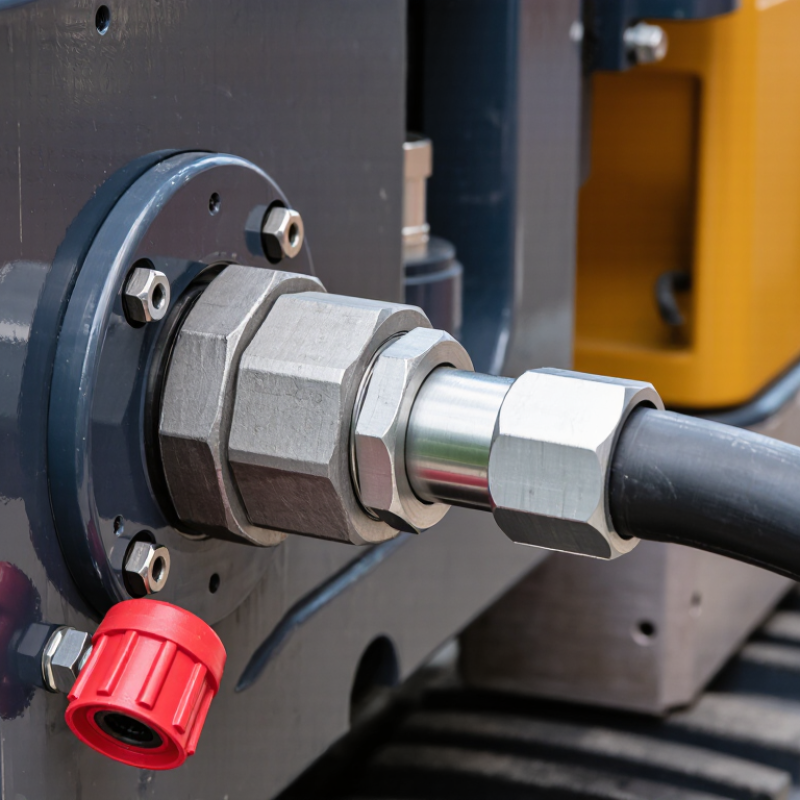
| Mobile equipment auxiliary circuits | Variable flow and pressure; frequent implement changes; exposure to dirt, vibration, and outdoor conditions. | Quick connection, protective dust caps, durable corrosion-resistant surfaces, and a connection style suited to the machine circuit. | Confirm the machine’s maximum working pressure, required flow, connection profile, hose size, and whether connection under residual pressure is needed. |
| Hydraulic tools and service equipment | Portable hoses may be connected and disconnected regularly; operating pressure can be high and varies by tool. | Secure locking mechanism, clearly matched halves, low leakage, and a pressure rating that covers the tool’s maximum working pressure. | Check the tool and hose specifications. Never disconnect a pressurized line unless the coupler is specifically rated for that condition. |
| Industrial machinery | Repeated operation in a controlled setting; flow, pressure, and fluid temperature are defined by the machine design. | Reliable sealing, suitable connection material, and a coupler design compatible with the required cycle frequency and maintenance plan. | Verify the machine’s specified connection standard, fluid type, temperature range, pressure, and acceptable pressure drop. |
| High-flow hydraulic circuits | Large flow demand; undersized passages can increase pressure loss and fluid heating. | Correct nominal size and flow capacity; select a design with pressure-drop data suitable for the circuit. | Compare coupler flow and pressure-drop information at the actual operating flow, not just the connection size. |
| Wet, dusty, or corrosive environments | Possible exposure to water, mud, abrasive particles, or corrosive substances. | Protective caps or covers, compatible materials and plating, and seals suited to the hydraulic fluid and environment. | Confirm material and seal compatibility. Keep both halves clean before connection to reduce contamination entering the system. |
| Systems with trapped or residual pressure | Pressure may remain in a hose or circuit after shutdown, making connection difficult or unsafe. | Use a coupler designed and rated for connection under the expected residual-pressure conditions, if required. | Follow the equipment manufacturer’s pressure-relief procedure. Do not force incompatible or pressurized coupler halves together. |
| General hydraulic fluid compatibility | Fluid type and temperature affect seal life and coupler performance. | Seals and wetted materials compatible with the specified fluid and its operating temperature range. | Check the fluid manufacturer’s compatibility guidance and the coupler’s published temperature limits. |