How to Choose the Right Chamfering Cutter?
Choosing the right Chamfering Cutter affects edge quality, tool life, machining time, and operator confidence. A clean chamfer should look deliberate, not like an afterthought. Yet cutter selection is rarely solved by diameter alone. Material, chamfer angle, edge width, spindle speed, feed rate, and machine rigidity all influence the result.
A practical choice begins with the workpiece. Aluminum may require a polished cutter that reduces built-up edge. Stainless steel often needs a sharp, wear-resistant tool and stable cutting conditions. Hardened steel demands careful attention to cutter material, coating, and heat control. Geometry matters. A 45-degree cutter suits many general-purpose edges, but drawings may require 30, 60, or custom angles. The cutter must also match the hole, slot, or outside profile without creating interference.
Real workshop experience shows that catalog recommendations are useful, but incomplete. The same Chamfering Cutter can perform differently on a rigid machining center and a small benchtop machine. Tool overhang, coolant delivery, workholding, and surface scale may change the outcome. Small errors spread. A slightly oversized chamfer can affect assembly, coating thickness, or contact with a mating part.
Reliable selection depends on checking the technical drawing, inspecting the material, and testing a manageable cut. Measure the finished chamfer with suitable gauges or optical equipment. Listen for vibration, watch chip formation, and record the actual cutting conditions. Do not assume the fastest feed produces the best value. Fit changes everything. A careful trial may expose weaknesses in the initial choice, which is useful information rather than failure. The best cutter is the one that consistently meets the required geometry, finish, safety expectations, and production needs.
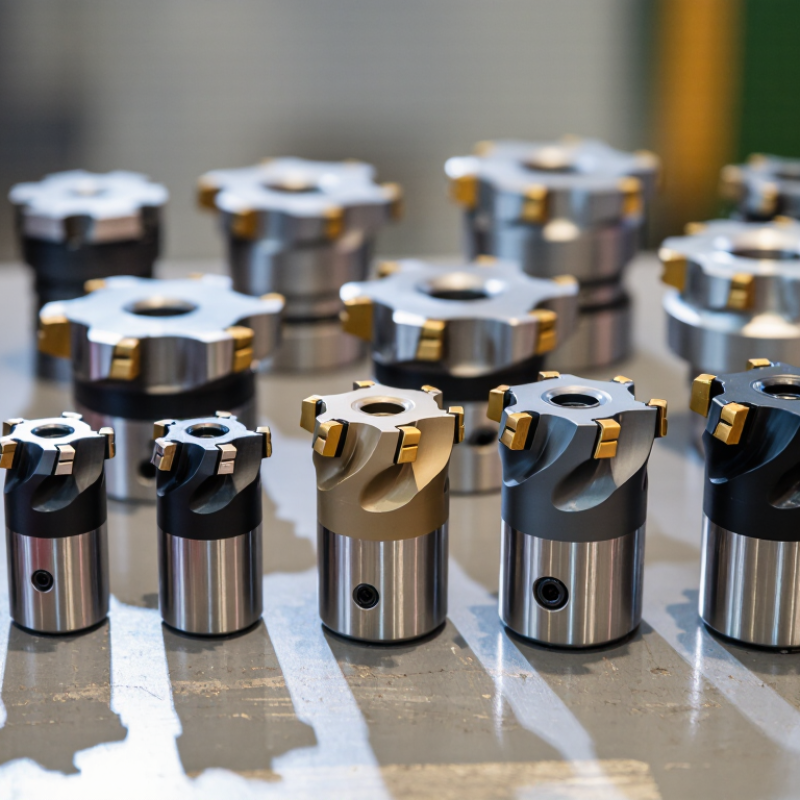
Understanding Chamfering Cutters and Their Applications
How to Choose the Right Chamfering Cutter?
Understanding chamfering cutters begins with the edge you need to produce. A 45-degree cutter suits common deburring and countersinking work. A variable-angle cutter fits drawing-specific edges. Carbide tools handle hardened steel better, while high-speed steel remains practical for softer materials and occasional jobs. Check the workpiece first. Then match cutter diameter, included angle, flute count, and spindle speed. A large cutter can leave a clean edge, but it may demand more machine torque.
Applications also shape the decision. On a CNC line, a chamfering cutter can remove sharp edges before assembly, coating, or inspection. The International Federation of Robotics reported 541,302 industrial robots installed worldwide in 2023. That level of automation increases the need for repeatable edge geometry. A stable tool path matters as much as the cutter itself. Measure the chamfer with a profile gauge or optical system, not by touch alone.
Grand View Research valued the global machine tools market at about USD 86.6 billion in 2023. Its forecast also indicates continued growth through 2030. This suggests more mixed-production environments, where one cutter may face steel, aluminum, and composite parts. That assumption can be risky. I have seen operators choose coating before checking chip evacuation. The result was heat, burrs, and a surprisingly short tool life. Trial cuts remain useful. Record feed, speed, edge width, and wear after each batch. Small records often reveal more than a confident guess.
Matching Cutting Parameters to Your Machine and Material
How to Choose the Right Chamfering Cutter?
Matching Cutting Parameters to Your Machine and Material
A chamfering cutter should match your machine’s rigidity, spindle range, and available power. A rigid setup supports cleaner edges and steadier tool life. Check the cutter diameter against the spindle’s safe speed limit. A large cutter can overload a small machine quickly. Keep the tool overhang short. It reduces vibration.
Material changes the cutting response. Aluminum usually accepts higher spindle speeds, sharp edges, and generous chip removal. Stainless steel needs controlled heat, steady feed, and enough coolant or cutting fluid. Mild steel often allows balanced speed and feed settings. Hardened materials require conservative engagement and suitable tool geometry. Start near the middle of the recommended range, then adjust after checking chips, sound, and edge quality. I have found that a perfect chart setting can still fail on a flexible machine.
Tips: Confirm the actual spindle speed before cutting. Use feed per tooth, not guesswork. Make a light test chamfer on scrap material. If the edge shows burrs, increase feed slightly or inspect cutter sharpness. If chatter appears, reduce overhang first. Lowering speed alone may not solve it. Record successful settings for each material and machine. Small notes save time.
Checking Quality, Compatibility, Safety, and Overall Value
Choosing a chamfering cutter starts with measurable quality, not a polished package. Check edge sharpness, flute consistency, surface finish, and runout. A cutter with visible burrs may leave uneven bevels or chatter marks. Keep the inspection practical. Mount it, rotate it slowly, and watch the tip under a lamp.
Compatibility depends on more than diameter. Match the cutter angle, shank size, spindle capacity, material, and machine speed. Aluminum, stainless steel, and hardened steel need different cutting conditions. A 90-degree cutter is not automatically suitable for every countersink task. Grand View Research estimated the global cutting-tool market at about USD 22 billion in 2023, showing how broad this product category has become. More choices can create more mistakes. ISO 3685 tool-life testing principles can help compare wear, although workshop results may differ.
Safety deserves equal attention. Inspect the cutter for cracks before installation, secure the workpiece, and use the machine guard. ISO 16089 addresses safety for stationary grinding machines, while OSHA machine-guarding guidance emphasizes preventing contact with moving parts. Eye protection is basic, not optional. Overall value means more than the purchase price. Compare expected tool life, setup time, rework, and downtime. A cheaper cutter can become expensive after three poor edges. I still prefer a controlled test cut before bulk purchasing. Real material often exposes weaknesses that specifications hide.
