


10 Essential Tips for Using Mortar Cement Effectively?

In the construction industry, the importance of mortar cement cannot be overstated. This versatile material is essential for adhering bricks and blocks, creating lasting structures. According to a report by the International Concrete Association, the global demand for mortar cement is projected to reach 340 million tons by 2025. Such data highlights its pivotal role in construction projects.

Expert Steve Reynolds, a well-respected figure in the mortar cement sector, once stated, "Using mortar cement effectively can significantly enhance the strength and durability of any building." His insight emphasizes the need for proper techniques in handling this material. Yet, many workers often overlook critical aspects of mortar application, leading to issues like cracks or weak joints. This can result from improper mixing or inadequate curing methods.

Understanding how to use mortar cement effectively is crucial for contractors and DIY enthusiasts alike. Small mistakes can have significant consequences. It is vital to prioritize technique and knowledge when working with this essential building material.

10 Essential Tips for Using Mortar Cement Effectively?

Understanding Mortar Cement: Types and Applications

Mortar cement is essential in construction. It binds materials together. There are different types available, each with unique applications. For example, Portland cement is widely used for masonry. It can help create strong brick walls. Lime-based mortar is another option. This type is more flexible and breathable, suitable for older structures.


When selecting mortar cement, consider the project's needs. Factors like climate and material compatibility matter. Using the wrong type may lead to structural issues over time. For instance, using too much water in the mix can weaken the bond. Ensure the ratios are precise. A simple mistake can compromise the entire project's integrity.


Application matters too. It's crucial to prepare surfaces properly. Clean and dampen materials before applying mortar. This promotes better adhesion. Lightly troweling the surface will also help. However, many tend to rush this step. Taking your time can make a significant difference. Achieving the right consistency is key, but many find it challenging. Testing small batches can lead to better results.

Preparing the Surface for Optimal Mortar Adhesion

Preparing the surface is crucial for optimal mortar adhesion. Cleanliness is key. Remove dust, dirt, and old mortar. A pressure washer can be effective, but be careful not to damage the surface underneath. Scrubbing with a stiff brush may also help. Make sure to let the surface dry completely before applying the mortar.

Surface texture plays a significant role as well. A rough surface often promotes better adhesion. If the surface is too smooth, it may be beneficial to roughen it up. This could involve using a chisel or grinder. Inspect for cracks or holes. Filling these with a patch before applying the mortar can ensure a uniform bond.

Consider the temperature and weather conditions too. Applying mortar in extreme conditions may lead to adhesion issues. High humidity or intense sunlight can cause the mortar to dry too quickly. Be mindful of these factors. Each small detail adds up. An overlooked area may result in disaster later on. Always pause and reflect on your preparation process for better results.

Mixing Mortar Cement: Ratios and Techniques

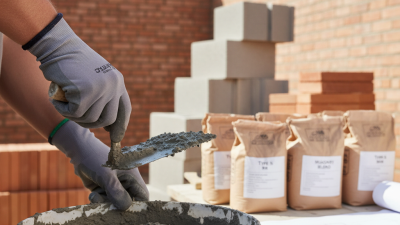
Mixing mortar cement can greatly impact the outcome of any masonry project. Start by measuring the right ratios of cement, sand, and water. A typical mix is one part cement to three parts sand. This will give you a good consistency for most applications. Add water gradually. Too much can weaken the mix. Aim for a thick, workable paste.

Techniques matter as well. Use a sturdy mixer or a wheelbarrow for blending. Don't rush; ensure all components are well-mixed. Take a moment to check the texture. If it feels too dry, add a small amount of water. Observe the result. Sometimes a little tweaking can make a big difference. It's okay to make mistakes. Each batch teaches something new. Adjust your methods based on these observations for better results next time. Mixing mortar cement is both a science and an art.

10 Essential Tips for Using Mortar Cement Effectively

Tip # Description Recommended Ratio Mixing Technique
1 Choose the right type of mortar for your project. N/A N/A
2 Use clean, dry sand and appropriate aggregates. 3:1 (sand:cement) Mix thoroughly before adding water.
3 Measure water accurately for consistent results. Water: Cement ratio 0.4:1 Add water gradually while mixing.
4 Mix mortar to a workable, pliable consistency. Achieve a creamy texture Use a mortar mixer or drill attachment.
5 Let the mix rest for about 10 minutes. N/A Then remix briefly before use.
6 Work in small batches to prevent waste. Mix only what you can use in 2 hours. Plan your work to minimize leftover mix.
7 Use proper tools for application. Trowel and jointing tool Ensure tools are clean and dry.
8 Apply mortar evenly and in layers. 3/8 inch to 1/2 inch layers Tool each layer before applying the next.
9 Ensure proper curing conditions are met. Keep moist for 3 days Cover with plastic to retain moisture.
10 Inspect and clean the workspace after use. Remove leftover mix Dispose of waste properly.

Application Techniques: Tools and Best Practices

Using mortar cement effectively requires the right techniques and tools. Understanding these basics can lead to better results in any project.

When applying mortar, make sure to mix it thoroughly. A uniform consistency improves workability. Consider using a paddle mixer for larger batches. This tool reduces air pockets and results in stronger bonds.

An essential tip: always add water slowly. Too much water makes the mix weak.

Choose the right trowel for your project. A square-edged trowel is best for corners and applying even layers. If you notice gaps or uneven spots, it's okay to adjust later. Remember, mortar takes practice. The more you work with it, the more comfortable you will become.

Clean your tools after use. Dried mortar can be hard to remove. Another tip: cover leftover mortar to prevent it from drying out. This saves materials and reduces waste. Watch how others use mortar. There are always things to learn and improve upon.

Curing and Maintenance: Ensuring Longevity of Mortar Joints

10 Essential Tips for Using Mortar Cement Effectively?

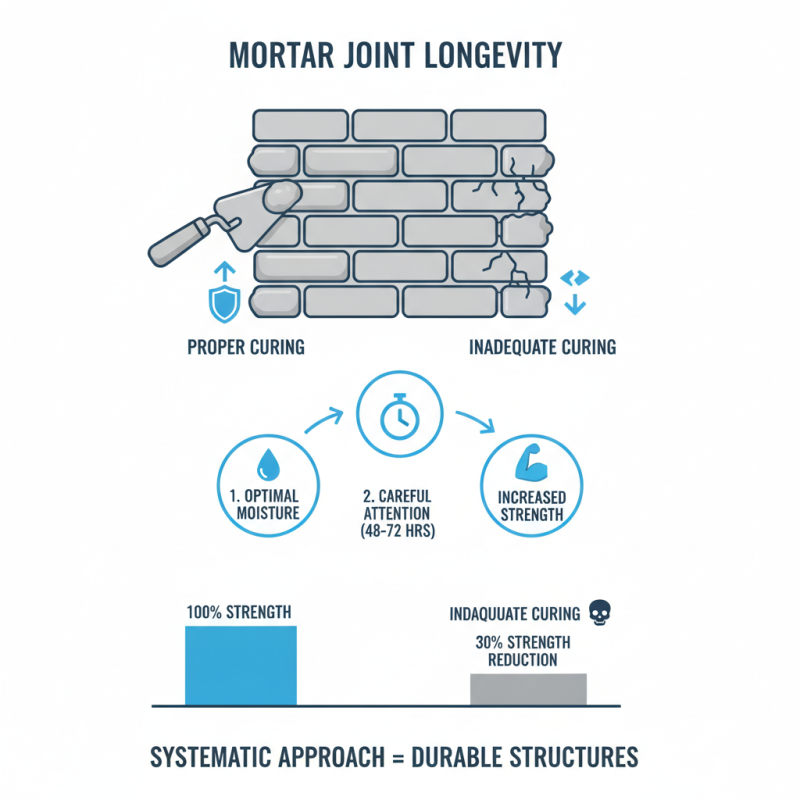
Curing mortar cement properly is vital for the longevity of mortar joints. Freshly laid mortar requires careful attention to maintain optimal moisture. Industry data shows that inadequate curing can reduce the strength of mortar by up to 30%. Therefore, a systematic approach is necessary.

One effective method is to cover joints with wet burlap or plastic sheets. This enhances moisture retention during the curing process. Employing this technique for at least 7 days can lead to significantly more durable joints. Consider using a curing compound if the environment is excessively dry. This can form a moisture-retaining film.

Regular maintenance is also crucial. Inspecting the joints every few months helps identify any early signs of wear. If cracks appear, addressing them promptly can prevent more extensive damage later. Remember, prevention is simpler than repair. Prioritizing proper curing and maintenance can lead to mortar that stands the test of time.

Find the Right Repair Product for Your Project

Need to find the most appropriate product for the needs of your project? We can help because we have over 70 years of experience servicing the industry with every kind of project, from Do-it-yourself projects to large skyscrapers. Package Pavement has the experience, the knowledge and the products to help every project succeed.

Quikrete Repair Products
Legend
Package Pavement has two convenient locations in Stormville, NY (Dutchess County) and Ravena, NY (Greene County) to serve the Northeastern Region with bagged concrete, blacktop, mortar, and repair products. This map gives a general idea of where we service and the product lines we offer.
Package Pavement Products
Quikrete Products
Spec Mix Products
map

Our Brands Websites