10 Essential Tips for Effective Masonry Repair You Need to Know?

Masonry repair is a crucial skill for maintaining the integrity of buildings. Renowned masonry expert John Smith emphasizes, “Proper repair techniques can extend the life of your structure.” Effective masonry repair not only preserves aesthetics but also prevents costly damage in the future.

Often overlooked, masonry repair requires careful attention to detail. Cracks can develop from natural wear, settling, or poor installation. Addressing these issues early can save time and money. Specific tools, like a trowel and mortar mix, are essential for a successful repair job. Learning the best practices can make a significant difference.

However, many DIY enthusiasts face challenges. Mistakes frequently occur, from improper mixing to inadequate curing times. Despite good intentions, these errors may compromise the repair’s effectiveness. Reflecting on past experiences can lead to better outcomes. Understanding the intricacies of masonry repair can elevate your work and ensure lasting results.

10 Essential Tips for Effective Masonry Repair You Need to Know?

Understanding the Importance of Proper Masonry Maintenance for Longevity

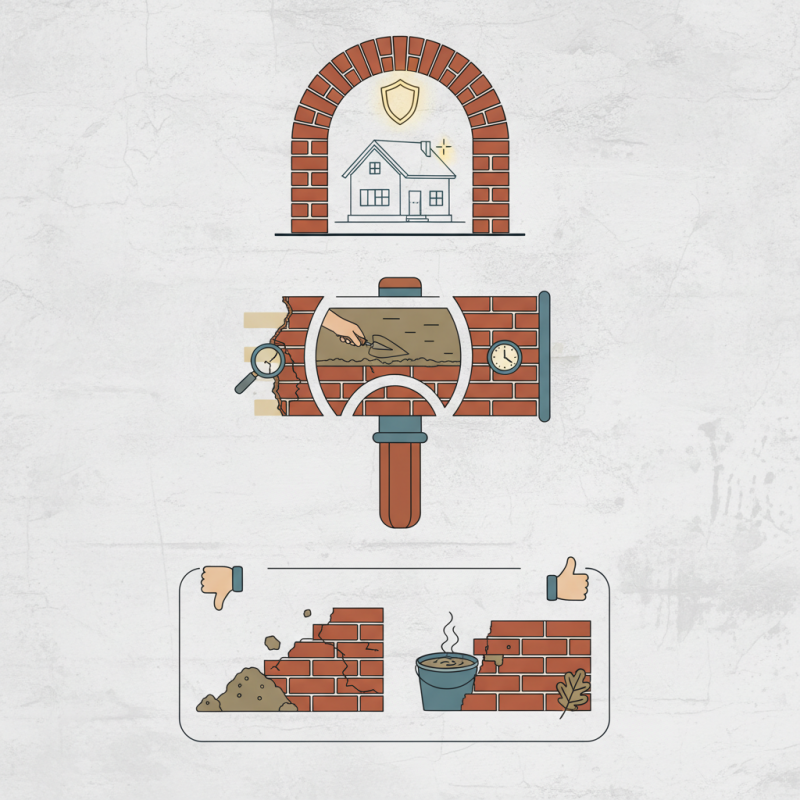
Masonry maintenance is crucial for ensuring the longevity of structures. Proper care prevents costly repairs later on. Surfaces can crack, brick can erode, and mortar can deteriorate. This damage often goes unnoticed until it becomes severe. Regular inspections can catch issues early.

Understanding the materials involved is essential. Masonry is not just about bricks and mortar. It's about how they work together. Weather, moisture, and temperature changes can influence their integrity. A rain-soaked wall might seem harmless, but over time, it weakens the structure. Ignoring these factors can lead to significant failures.

Effective masonry repair involves both skill and knowledge. It’s not always a straightforward task. Mistakes can happen. Poorly mixed mortar can compromise strength. Applying the wrong techniques can also lead to further damage. Being mindful of these intricacies makes a difference in the long run. Continuous learning in masonry is vital for maintaining quality work.

10 Essential Tips for Effective Masonry Repair

This bar chart illustrates the importance of various masonry repair tips, showcasing how much attention should be given to each aspect for optimal results.

Identifying Common Types of Masonry Damage and Their Causes

10 Essential Tips for Effective Masonry Repair You Need to Know?

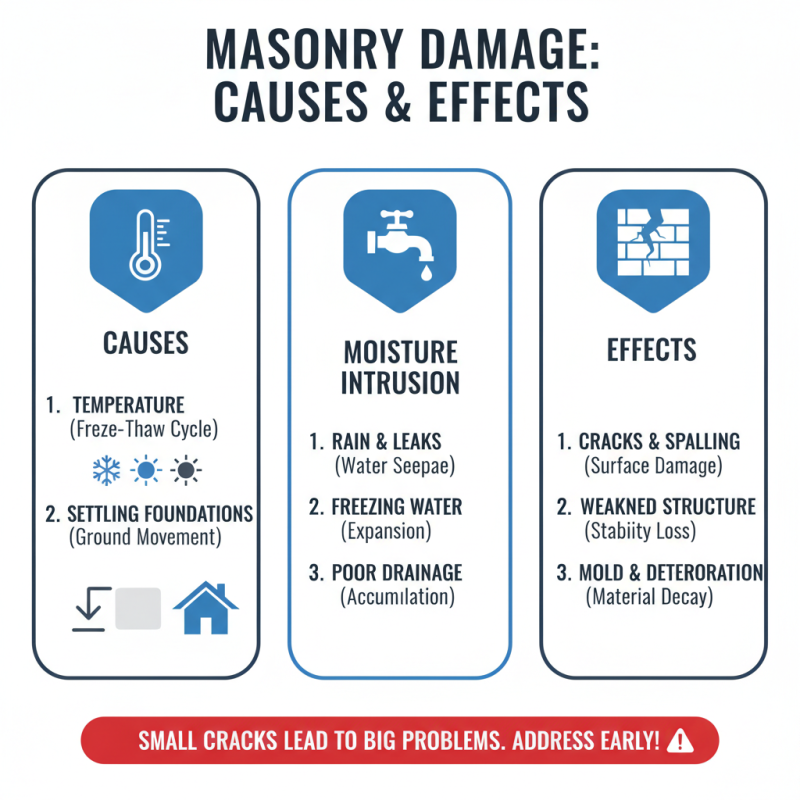
Masonry damage often stems from various factors. Cracks can develop due to temperature fluctuations, settling foundations, or moisture intrusion. Small cracks may seem harmless, but failing to address them can lead to significant issues. Water can seep in, freeze, and expand, causing more extensive damage.

Efflorescence is another common problem. It appears as white, powdery stains on brick or stone surfaces. This usually indicates moisture problems. Remember, ignoring these signs can worsen the situation. Chipping or spalling might occur due to freeze-thaw cycles. This can compromise structural integrity.

Identifying the source of damage is crucial. Pay attention to water leaks or drainage issues. Look for signs of mold or mildew, which can indicate prolonged moisture exposure. Understanding these types will help you find proper repairs. Each issue requires reflection on your methods. Taking action sooner leads to better results.

Essential Tools and Materials for Effective Masonry Repair Projects

When embarking on masonry repair projects, selecting the right tools and materials is crucial. Industry reports suggest that 70% of masonry failures stem from inadequate material selection. Essential tools include a trowel, a brick hammer, and a mortar mixer. Each tool plays a unique role in ensuring quality repairs. For instance, a mortar mixer significantly reduces the chances of inconsistencies in mixing ratios, which can lead to weak joints.

In terms of materials, high-quality mortar is vital. Data indicates that using Type S or Type N mortar can improve the lifespan of the repair by up to 30%. A good rule of thumb is to match the mortar with existing materials. Failing to do so can result in cracks or deteriorating structures. Additionally, investing in sealants can prevent water infiltration, a common issue in masonry that often goes overlooked.

Reflecting on common oversights, many DIYers neglect the importance of proper curing times. Rushing can lead to poor adhesion and future repairs down the line. Furthermore, not considering weather conditions during repairs can hinder proper setting. The groundwork laid in choosing tools and materials often defines the success of masonry projects, so it’s essential to choose wisely.

10 Essential Tips for Effective Masonry Repair
Tip Number Tip Description Essential Tools Materials Needed
1 Assess the Damage Thoroughly Inspection Tools Measuring Tape, Camera
2 Choose the Right Mortar Mixing Equipment Mortar Mix, Water
3 Clean the Area Before Repair Power Washer Cleaning Solution
4 Use Proper Tools for Application Trowel, Float Mortar, Masonry Tools
5 Work in Small Sections Bucket for Mixing Repair Mortar
6 Allow for Proper Curing Time Moisture Meter Plastic Sheeting
7 Monitor Weather Conditions Weather App None
8 Protect Repaired Areas Tarpaulins None
9 Check for Additional Damage Inspection Tools None
10 Maintain Regular Inspections Checklist None

Step-by-Step Guide to Repairing Cracks in Brick and Mortar

Repairing cracks in brick and mortar requires attention to detail and patience. Start by assessing the damage. Look for gaps or crumbling edges. Make a note of where repairs are needed. Use a wire brush to clean the area. Remove loose material and debris. This step is crucial for a strong bond in the next phases.

Once cleaned, prepare the mortar mix. Follow the instructions closely for the best consistency. Apply the mortar with a trowel. Press it into the crack firmly. Be mindful of air bubbles. Smooth the surface with a damp sponge. Take your time here; a hasty job can lead to uneven patches.

After applying, allow the repair to cure properly. This might take one to two days. Avoid rushing this part. Inspect your work once cured. Look for areas that need touch-ups. It’s normal to miss spots. No repair is ever truly perfect. Learning from these imperfections is essential for future projects.

Best Practices for Sealing and Waterproofing Masonry Structures

Masonry structures require proper sealing and waterproofing to ensure their longevity. Moisture can seep in through cracks and joints, leading to damage. To tackle this, choose the right sealant based on your specific masonry type. Deeply penetrate the material for the best results. Remember, not all sealants work the same way. Test a small area first to see if it meets your expectations.

Pay attention to the weather before sealing. Ideal conditions are dry and mild temperatures. Moisture in the air or on the masonry can interfere with adhesion. If it rains soon after application, your work may need redoing. Additionally, applying a second coat can enhance protection. Yet, make sure the first coat is completely dry. Overlook this, and you risk peeling or trapping moisture.

Routine inspections are essential. After heavy rains, check for signs of dampness or peeling. Sometimes, a new seal may be needed sooner than expected. Maintain a log of these inspections to track the condition over time. This approach may seem tedious, but it helps in identifying ongoing issues. Ignoring these signs can lead to costly repairs later.

Find the Right Repair Product for Your Project

Need to find the most appropriate product for the needs of your project? We can help because we have over 70 years of experience servicing the industry with every kind of project, from Do-it-yourself projects to large skyscrapers. Package Pavement has the experience, the knowledge and the products to help every project succeed.

Quikrete Repair Products
Legend
Package Pavement has two convenient locations in Stormville, NY (Dutchess County) and Ravena, NY (Greene County) to serve the Northeastern Region with bagged concrete, blacktop, mortar, and repair products. This map gives a general idea of where we service and the product lines we offer.
Package Pavement Products
Quikrete Products
Spec Mix Products
map

Our Brands Websites