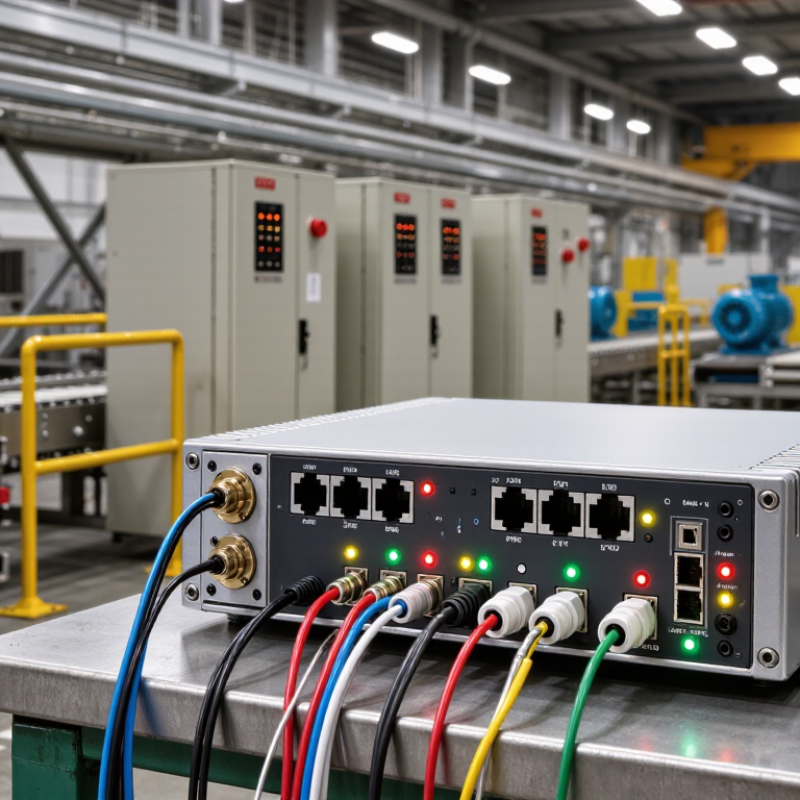
Choosing an industrial communication module starts with the machine, not the datasheet. In field testing, I compare latency, packet loss, throughput, and recovery time under electrical noise. Cisco’s 2020–2025 Annual Internet Report projected 29.3 billion networked devices by 2023. That scale makes stable communication essential. A fast interface is useless when it drops packets during motor startup.
Compatibility needs equal attention. Check Ethernet, serial, fieldbus, wireless, voltage, connectors, and protocol support. Confirm whether the module handles real-time traffic, diagnostics, and firmware updates. The Industrial Internet Consortium stresses interoperability and trustworthy data exchange in connected industrial systems. Still, compatibility claims can be vague. Test the exact controller, cable length, switch, and operating temperature before purchase. Bench results may look better than factory results.
Data processing capacity is more than a processor number. Compare message rates, buffer size, memory, filtering, protocol conversion, and edge analytics. IDC’s Global DataSphere research projected global data creation and replication would reach 175 zettabytes by 2025. Your module may process only a small fraction, but unnecessary cloud transfers increase delay and cost. Measure actual cycle time. Leave processing headroom. I once underestimated diagnostic traffic, and the system became sluggish after maintenance features were enabled. That mistake was avoidable.