What Is an Electric Damper Actuator and How Does It Work?
An Electric Damper Actuator converts electrical energy into controlled mechanical movement. It opens, closes, or positions a damper inside an HVAC duct or ventilation system. Picture a small motor turning gears behind a metal access panel. The connected shaft then rotates the damper blades. This movement regulates airflow, pressure, temperature, or room ventilation.
This guide explains how an Electric Damper Actuator works, from the control signal to the final blade position. It examines motors, gear trains, linkages, feedback sensors, and spring-return mechanisms. Some actuators use simple open-and-close commands. Others respond to proportional signals, such as 0–10 volts. These differences affect comfort, energy use, safety, and system response. A practical installation also depends on torque, voltage, shaft size, operating time, and environmental protection.
Real systems are rarely perfect. Dust can increase resistance. Misaligned blades can overload the actuator. A wiring diagram may appear clear, yet field labels can cause mistakes. This is why reliable selection requires the manufacturer’s datasheet, measured damper torque, and careful commissioning. Technicians should confirm full travel, correct rotation, control compatibility, and fail-safe behavior before regular operation. Testing with the actual air-handling equipment often reveals problems that calculations miss.
The sections ahead build a clear technical foundation. They also consider common faults, maintenance needs, and selection decisions. Understanding these details helps engineers, installers, and facility managers choose equipment with greater confidence. Safety-related applications demand additional verification and qualified professional review.
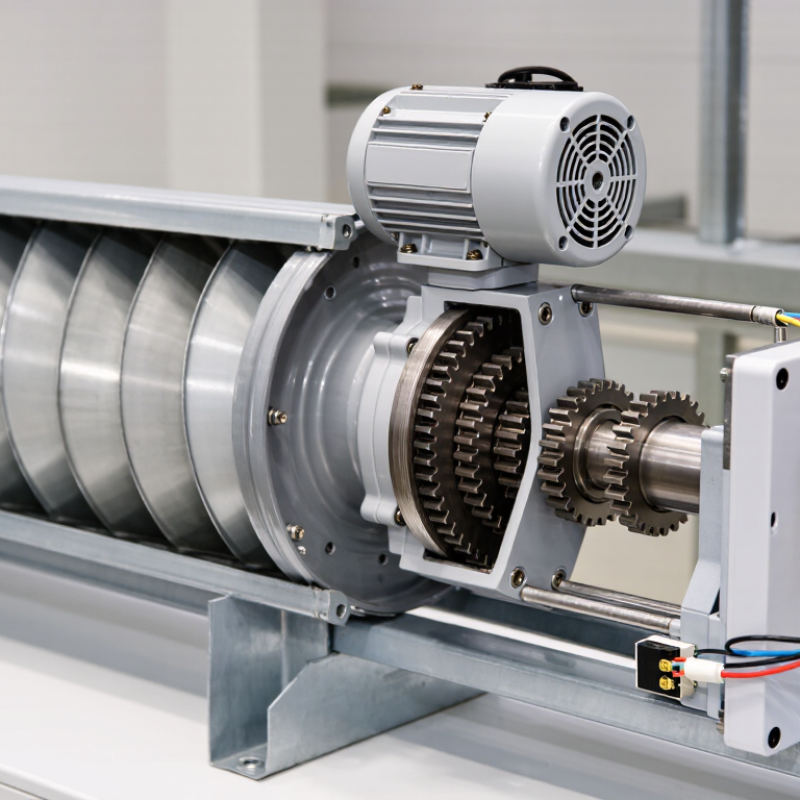
What Is an Electric Damper Actuator?
An electric damper actuator is a motorized device that adjusts an air damper inside a ventilation or air-conditioning system. It converts electrical energy into controlled rotary movement. The damper then opens, closes, or holds a selected position. This process regulates airflow through ducts, rooms, or equipment.
A control signal, such as 24 volts or a digital command, tells the actuator how to move. Internal gears increase torque, allowing a small motor to turn a heavy damper blade. Some models use position feedback, so the controller can confirm the blade’s actual angle. For example, a 50% command should produce roughly half-open airflow. The result is not always exact.
Small details matter.
During field inspections, technicians often check shaft alignment, wiring, rotation direction, and mounting strength. A loose bracket can waste motor energy and create a faint rattling sound. Incorrect wiring may drive the damper opposite to the intended direction. This mistake is easy to overlook during quick commissioning. A reliable installation also considers spring-return behavior, operating temperature, required torque, and maintenance access. However, selecting an actuator from airflow alone is incomplete. Damper size, seal friction, pressure difference, and future fouling can change the real load. The specification may look correct on paper, yet perform poorly in a dusty duct. Regular functional testing remains important, even when the actuator appears quiet and responsive.
How an Electric Damper Actuator Works Step by Step
An electric damper actuator controls airflow by rotating a damper blade inside a ventilation duct. It receives an electrical command from a thermostat, controller, or building automation system. The signal may be simple on/off power or a variable voltage signal.
The working process happens in clear stages. The controller sends a position command to the actuator. Its internal circuit interprets the signal and powers a small electric motor. The motor turns a set of gears, which increases torque and moves the actuator shaft. This shaft rotates the damper blade, opening or closing the airflow passage. Some models use a spring return when power is removed.
Position feedback then reports the blade angle to the controller. A sensor inside the actuator may measure shaft movement continuously. The controller compares the actual position with the requested position and corrects small errors. This is the closed-loop step. It matters.
During commissioning, a technician checks rotation direction, shaft coupling, travel limits, and wiring polarity. A loose clamp can make the motor run while the damper barely moves. That mistake is easy to miss. Air pressure also changes performance, especially in large ducts. The actuator may reach its limit before the blade seals properly. For reliable operation, testing should include power failure behavior, manual override, and several command positions. A clean installation helps, but it does not replace real airflow checks.
Common Applications in HVAC and Airflow Control
What Is an Electric Damper Actuator and How Does It Work?
An electric damper actuator moves an HVAC damper through a small motor and gear assembly. A controller sends a signal, often 24 volts or 0–10 volts. The actuator then rotates the damper shaft to regulate airflow. Some models provide position feedback, allowing the building management system to confirm actual movement. In practice, this matters when a damper must hold a precise position beside a noisy air-handling unit. The actuator should match the damper’s torque, stroke, voltage, and control method.
Common applications include supply-air balancing, return-air regulation, outdoor-air intake, and variable-air-volume terminals. In economizer systems, actuators adjust outdoor and return dampers as temperature conditions change. They can also support pressure control in laboratories, hospitals, offices, and production spaces. The International Energy Agency reported that building operations represented about 30% of global final energy use and 26% of energy-related emissions in 2022. Better airflow control can reduce unnecessary fan and heating loads, although savings depend on commissioning quality.
The U.S. Department of Energy identifies HVAC as a major share of commercial building energy consumption. A practical installation still needs careful inspection. Loose linkages, incorrect rotation, and blocked blades can defeat an efficient control sequence. Field technicians often discover that the actuator works, but the damper does not fully close. That weakness is easy to overlook. Noise, slow response, and poor sensor placement also affect comfort. No actuator is perfectly quiet, and a design that looks correct on paper may disappoint in operation.